°C
°C
 3
Min
3
Min
WASHINGTON (AP) – U.S. applications for unemployment benefits inched down modestly last week as layoffs remain at historically healthy levels despite a weakening job market. The number of Americans filing for jobless aid for the week ending March 7 fell by 1,000 to 213,000 the previous week, the Labor Department reported Thursday.
US applications for unemployment benefits inch down to 213,000 as layoffs remain stable
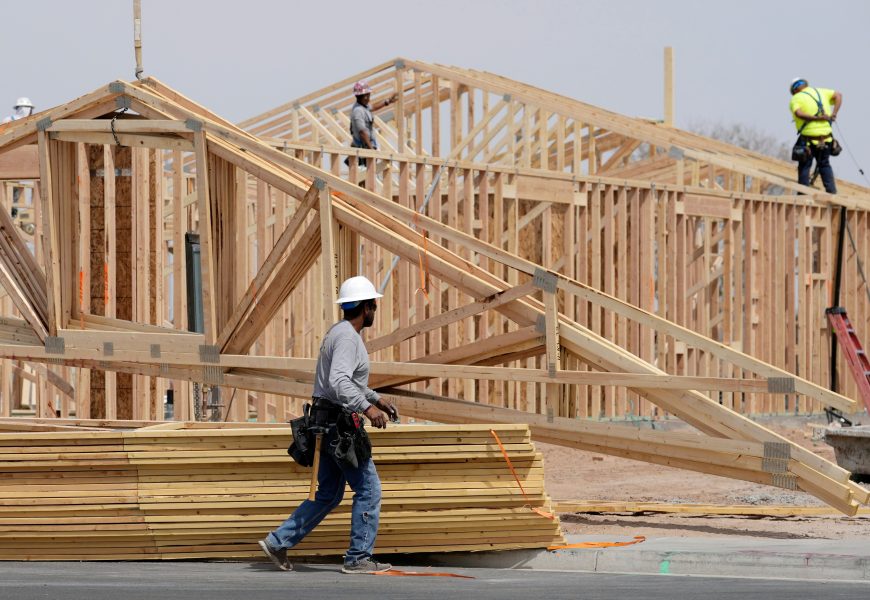
WASHINGTON (AP) - U.S. applications for unemployment benefits inched down modestly last week as layoffs remain at historically healthy levels despite a weakening job market.
The number of Americans filing for jobless aid for the week ending March 7 fell by 1,000 to 213,000 the previous week, the Labor Department reported Thursday. Analysts surveyed by the data firm FactSet forecast 215,000 new benefit applications.
Filings for unemployment benefits are viewed as a proxy for U.S. layoffs and are close to a real-time indicator of the health of the job market.
While weekly layoffs have remained in a historically low range mostly between 200,000 and 250,000 for the past few years, a number of high-profile companies have announced job cuts recently, including Morgan Stanley,Block, UPSand Amazon in recent weeks.
Last week, the Labor Department reported that U.S. employers unexpectedly cut 92,000 jobs in February, a sign that the labor market remains under strain. Economists had expected 60,000 new jobs in February.
Revisions also slashed 69,000 jobs from December and January payrolls, nudging the unemployment rate up to 4.4%.
The Labor Department also recently reported that job openings fell in December to the lowest level in more than five years. Its January report comes next week.
For now, the U.S. job market appears stuck in what economists call a "low-hire, low-fire" state that has kept the unemployment rate historically low, but has left those out of work struggling to find a new job.
Data over the past year has broadly revealed a labor market in which hiring has clearly slowed, hobbled by uncertainty stoked by President Donald Trump's tariffs and the lingering effects of the high interest rates the Federal Reserve engineered in 2022 and 2023 to tamp down a spike of pandemic-induced inflation.
Adding to the uncertainty is the war in Iran, which has sent oil prices 25% higher in less than two weeks.
This comes at a time when inflation was already relatively high in the U.S. A report released Wednesday showed that U.S. consumers paid prices for groceries, gasoline and other costs of living that were 2.4% higher in February than a year earlier.
That inflation rate was the same as the prior month's and better than the 2.5% that economists expected, but it remains above the 2% target the Federal Reserve has set for the economy. It also doesn't include the spike in gasoline prices that's happened this month because of the war.
The Fed's preferred inflation gauge, personal consumption expenditures or PCE, comes out Friday, just days before the Fed meets to decide on interest rates.
The Labor Department's report Thursday showed that the four-week moving average of jobless claims, which tempers some of the week-to-week volatility, dropped by 4,000 to 212,000.
The total number of Americans filing for unemployment benefits for the previous week ending Feb. 28 declined by 21,000 to 1.85 million, the government said.
Related Stories


More Top Stories