°C
°C
 4
Min
4
Min
KATHMANDU, Nepal (AP) – Millions of Nepalis are set to vote in crucial parliamentary elections, the first since a violent youth-led uprising toppled the previous government and thrust forward a new generation’s demands for sweeping change in the Himalayan nation.
Nepalis are set to vote in the first election after protests ousted the previous government
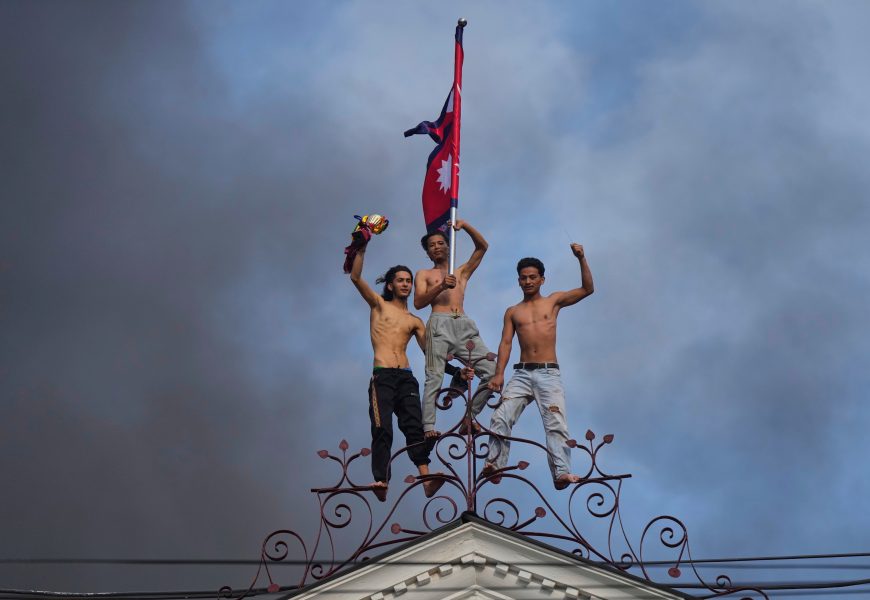
KATHMANDU, Nepal (AP) - Millions of Nepalis are set to vote in crucial parliamentary elections, the first since a violent youth-led uprising toppled the previous government and thrust forward a new generation's demands for sweeping change in the Himalayan nation.
Authorities have tightened security nationwide ahead of the polls Thursday. In addition to regular forces, thousands of temporary police officers have been deployed, and army troops - generally confined to barracks - are patrolling streets and guarding polling stations.
The government has declared a three-day public holiday to allow voters to travel to their homes. Schools and other public buildings have been converted into polling centers, where ballots will be cast by residents - from remote Himalayan villages to towns across the southern plains.
More than one million voters have been added to the rolls since the last national election in 2022, according to the Election Commission of Nepal. Many of them are also first-time voters who took to the streets during last year's protests that ultimately forced former prime minister Khadga Prasad Oli out of power.
Analysts say the youth movement that fueled the uprising is now poised to shape the outcome of the election, as first-time voters demand accountability.
"This election, all the political parties, whether they are old or new, they are more focused on the youth. That is a great shift in our electoral history," said Bhojraj Pokharel, an independent political analyst and Nepal's former chief election commissioner.
Many voters say they want a break from the established political parties, calling for fresh leadership that can tackle widespread corruption and strengthen governance in the country.
"People don't have big expectations from those who are going to be elected. People are only seeking that corruption should be controlled and we should have good governance," said Swastika Lamichane, a 28-year-old office worker.
Others are angry at the political old guard for failing them.
"For the past generations of our fathers and grandfathers, the same old politicians and parties have been elected and they have always controlled power, but they have always failed us," said Kalpana Saud, a 25-year-old housewife.
The election is largely seen as a contest among three political parties.
The National Independent Party, formed in 2022, is widely viewed as the front-runner, mounting a strong challenge to the long-dominant Nepali Congress and the Communist Party of Nepal (Unified Marxist-Leninist), which have alternated in power for decades.
The new party's prime ministerial candidate is Balendra Shah, a rapper-turned-politician who upended the country's established political order in 2022 by winning the race for mayor of Kathmandu. He emerged a prominent voice of discontent in 2025 when Nepal was shaken by a youth-led uprising.
The Nepali Congress and the Communists retain deeply loyal voter bases. But on the campaign trail, Shah's party has drawn larger crowds, underscoring its growing appeal among young voters who seek an alternative.
Political instability has repeatedly shaken Nepal since the monarchy was abolished in 2008. The groups that advocate the restoration of the monarchy say they expect to make significant gains in the new parliament, citing what they describe as rising public support for the former king.
Thousands of monarchy supporters gathered during rallies of former king Gyanendra Shah and chanted slogans for his restoration as constitutional head of state. He is also seen by his supporters as the protectors of Hindus in the country where they are a majority.
The ex-king has little chance of immediately returning to power, as support for him is not as significant.
The next administration will inherit daunting challenges - from delivering on the promises demanded by last year's protests and tackling entrenched corruption, to carefully managing ties with its powerful neighbors, India and China. Both countries have long sought to expand their influence over Nepal.
"The people have very high expectations from the incoming government but the resources are very limited so it will be difficult for them to meet all the aspiration," said Guna Raj Luitel, editor of Nagarik, one of Nepal's most popular newspapers.
More Top Stories