°C
°C
 5
Min
5
Min
WASHINGTON (AP) – Leveling a second strike on the survivors of an initial attack on an alleged drug boat would have been a crime, legal experts say. It doesn’t matter whether the U.S. is in “armed conflict” with drug cartels as the Trump administration asserts. Such a fatal attack would have violated peacetime laws and those governing armed conflict.
Experts explain what the law says about killing survivors of a boat strike


WASHINGTON (AP) - Leveling a second strike on the survivors of an initial attack on an alleged drug boat would have been a crime, legal experts say.
It doesn't matter whether the U.S. is in "armed conflict" with drug cartels as the Trump administration asserts. Such a fatal attack would have violated peacetime laws and those governing armed conflict, the experts say.
"I can't imagine anyone, no matter what the circumstance, believing it is appropriate to kill people who are clinging to a boat in the water," said Michael Schmitt, a former Air Force lawyer and professor emeritus at the U.S. Naval War College. "That is clearly unlawful."
The White House confirmed Monday that a second strike was conducted in September against a vessel accused of trafficking drugs off the coast of Venezuela and insisted it was done "in self-defense" and in accordance with the laws of armed conflict.
A news report about that attack spawned a new level of scrutiny from lawmakers and added to a growing debate about whether service members can refuse to follow illegal orders, which some Democratic lawmakers recently encouraged.
Here's what to know about the strikes and laws of armed conflict:
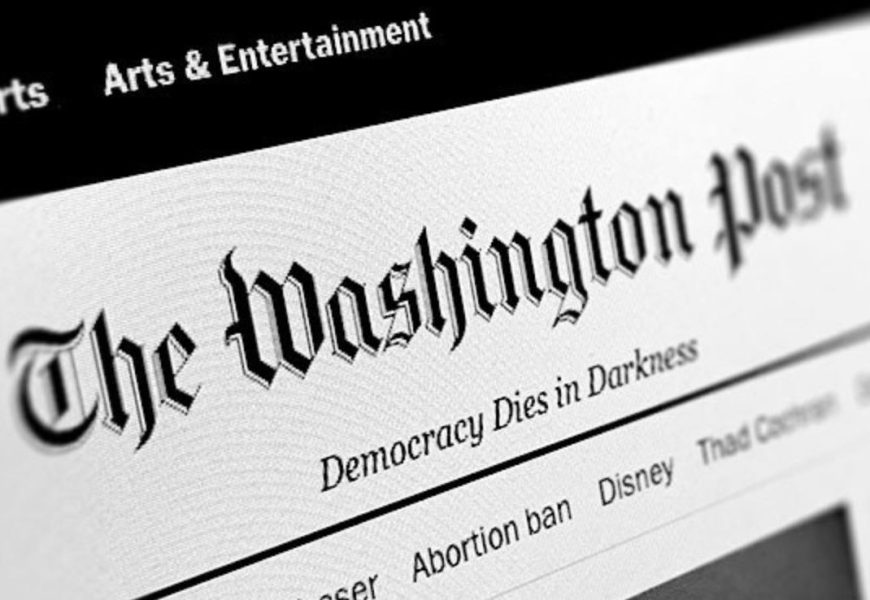
The Washington Post reported last week that Defense Secretary Pete Hegseth issued a spoken directive to "kill everybody" on a boat targeted on Sept. 2, the first vessel hit in what the Trump administration calls a counterdrug campaign that has grown to over 20 known strikes and more than 80 dead.
Two men survived that first attack and were clinging to the wreckage, the newspaper reported. The commander in charge of the operation, Adm. Frank M. "Mitch" Bradley, ordered a second strike to comply with Hegseth's instructions, killing the two men and so 11 in total, the report said.
Hegseth called it "fake news" on social media, saying strikes on the boats are "in compliance with the law of armed conflict - and approved by the best military and civilian lawyers, up and down the chain of command."
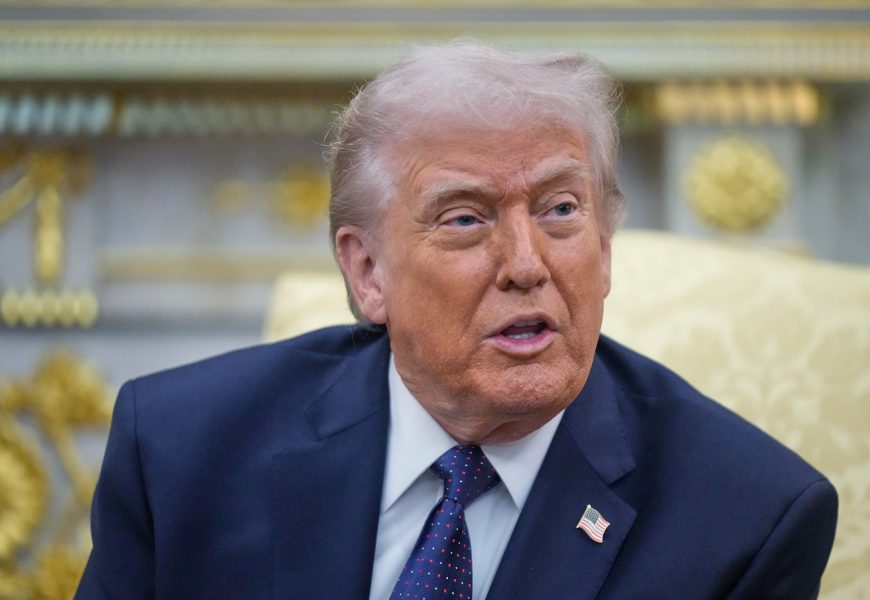
President Donald Trump said Sunday the administration "will look into" it, but added that "I wouldn't have wanted that - not a second strike." He noted that Hegseth told him "he did not order the death of those two men."
White House spokeswoman Karoline Leavitt told reporters Monday that Bradley had ordered the second strike and "was well within his authority to do so." She denied that Hegseth said to leave no survivors.
The administration has justified the attacks as a necessary escalation to stem the flow of drugs into the United States and asserted the U.S. is engaged in an "armed conflict" with drug cartels, similar to the war against al-Qaida following the Sept. 11 attacks.
A second strike killing survivors would have been illegal under any circumstance, armed conflict or not, Schmitt said.
He said he doesn't believe the U.S. is in a legitimate armed conflict with drug cartels, which he said would have to be committing a high level of violence against the country itself.
One example would be Colombia's battles with the FARC rebel group.
"But that's not because they were selling drugs that were killing people," Schmitt said. "It's because they were using force against the government in an effort to do their drug activities with impunity."
If the U.S. is not in an armed conflict, that means it violated international human rights law, which governs how countries treat individuals, including in extrajudicial killings, Schmitt said.
"You can only use lethal force in circumstances where there is an imminent threat - imminent like now - to life or really serious injury," Schmitt said. "And that wasn't the case."
Brian Finucane, a senior adviser with the International Crisis Group and a former State Department lawyer, agreed that the U.S. is not in an armed conflict with drug cartels.
"The term for a premeditated killing outside of armed conflict is murder," Finucane said, adding that U.S. military personnel could be prosecuted in American courts.
"Murder on the high seas is a crime," he said. "Conspiracy to commit murder outside of the United States is a crime. And under the Uniform Code of Military Justice, Article 118 makes murder an offense."
Even within an armed conflict, Schmitt said the military would have broken the law if it killed survivors, calling that a war crime.
"It has been clear for well over a century that you may not declare what's called 'no quarter' - take no survivors, kill everyone," Schmitt said. Even in striking an enemy warship that leaves survivors, "you cannot attack them unless they're still shooting at you."
Leaders of the Armed Services committees in both the House and Senate have opened investigations.
Republican Sen. Roger Wicker of Mississippi, chairman of the Senate's committee, and its top Democrat, Rhode Island Sen. Jack Reed, said in a statement late Friday that the committee "will be conducting vigorous oversight to determine the facts related to these circumstances."
Concern about the second strike comes after a group of Democratic lawmakers - all veterans of the armed services and intelligence community - released a video last month calling on U.S. military members to defy "illegal orders."
Among them was Sen. Mark Kelly, an Arizona Democrat and former Navy fighter pilot who has pointedly questioned the use of the military to attack the alleged drug boats. The Pentagon says it's investigating Kelly over possible breaches of military law tied to the video.
Kelly said Sunday on NBC's "Meet the Press" that there needs to be an inquiry into the report of the strike killing survivors and reiterated that U.S. service members don't have to follow illegal orders.
"If I got an order from the secretary of defense to kill everyone, I'd respectfully say, 'I'm not going to carry that order out,'" Schmitt said.
___
Associated Press reporter Konstantin Toropin contributed to this report.
More Top Stories