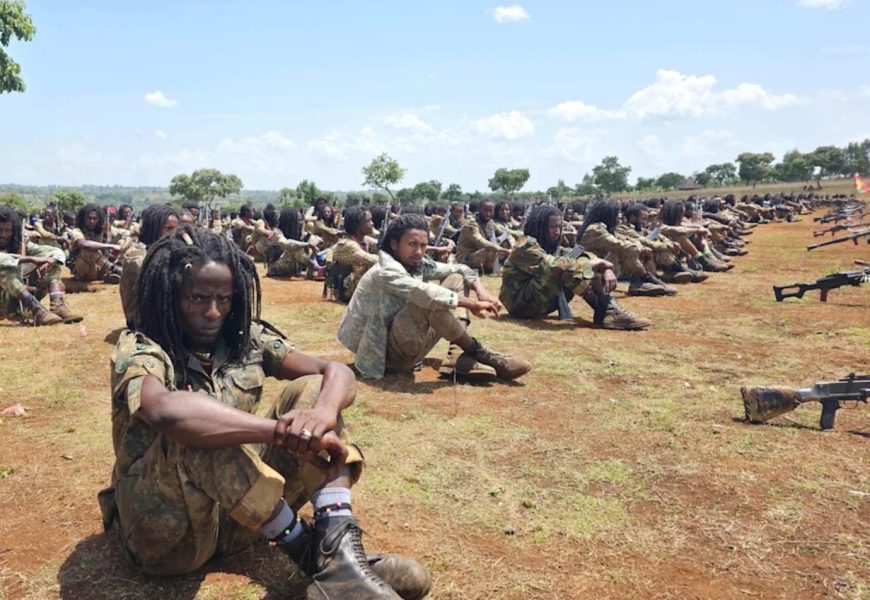
He added: "We are fighting to correct a system that treats the Oromo as subjects, rather than citizens. Our goal is to establish a democratic, inclusive political order based on the will of the people."
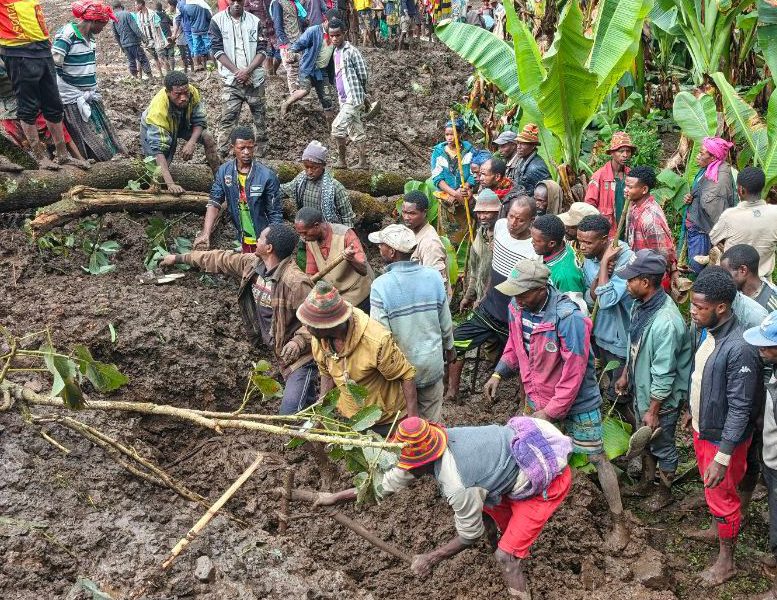
The OLA has been battling Ethiopia's government since 2018, even if at times the rebellion was overshadowed by the country's other conflicts, such as the 2020-2022 war in the northern Tigray region. United Nations investigators have accused the OLA of serious abuses, including killings, rapes and kidnappings.
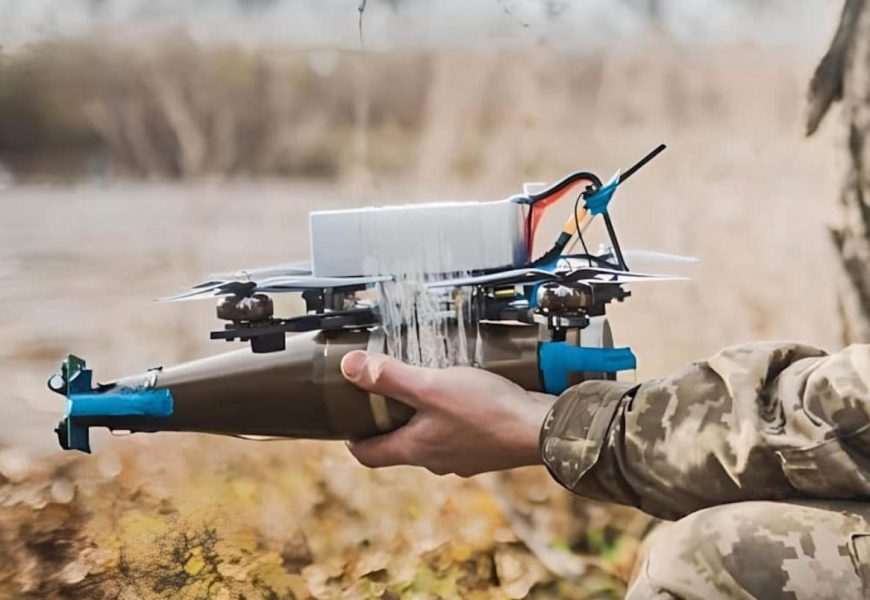
But human rights monitors, who have also documented violations by government forces, say indiscriminate drone strikes, extrajudicial killings and disappearances have become a hallmark of their counterinsurgency campaign.
"The research that we conducted puts both the OLA and the government forces in the middle of the conflict in terms of summary executions, in terms of torture, in terms of abductions, in terms of rape of women," said Sarah Kimani, a regional spokesperson for Amnesty International, which will publish a report in March into human rights abuses in the region.
"Our report is able to point to both groups having been responsible for the atrocities that are being carried out in the Oromia region and that continue to be carried out against civilians in the region," she told the AP.


 °C
°C
 5
Min
5
Min