°C
°C
 5
Min
5
Min
LONDON (AP) – News that Prime Minister Keir Starmer ignored warnings of senior advisers and appointed Jeffrey Epstein’s pal Peter Mandelson as Britain’s ambassador to the U.S. was bad for the embattled leader. It seems unlikely to improve. Starmer continues to weather the fallout from Mandelson’s appointment – and later sacking.
Starmer’s pick of Epstein ‘pal’ as top British envoy haunts prime minister
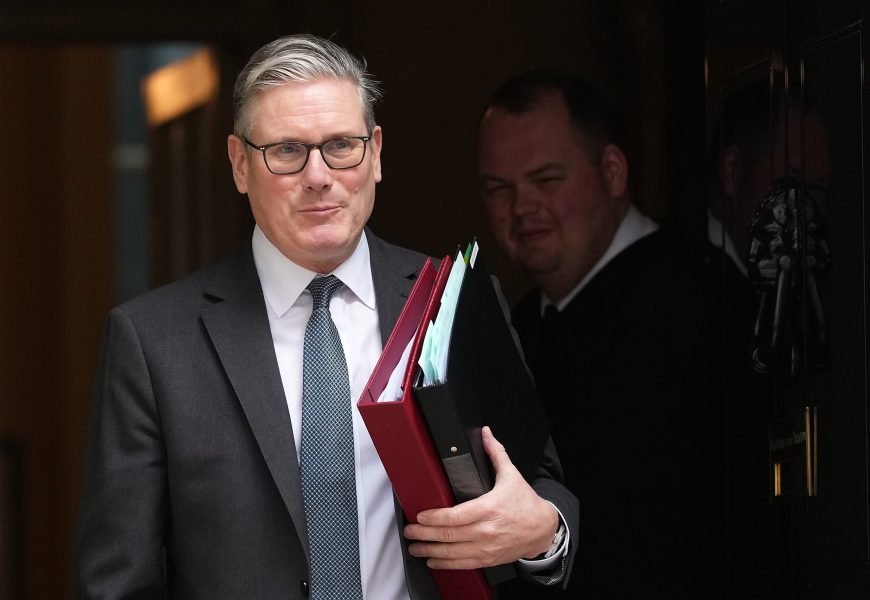
LONDON (AP) - News that Prime Minister Keir Starmer ignored warnings of senior advisers and appointed Jeffrey Epstein's pal Peter Mandelson as Britain's ambassador to the U.S. was bad for the embattled leader. It seems unlikely to improve.
Starmer continues to weather the fallout from Mandelson's appointment - and later sacking - but the nearly 150 pages of documents released by his government Wednesday were just a small fraction of the thousands of pages still to come.
"It's hard to believe that later releases are going to persuade anybody to see the PM's decision in a better light," said Tim Bale, politics professor at Queen Mary University of London. "It's damning stuff and, if the country weren't preoccupied with rather more important Middle Eastern matters at the moment, it might even have hastened Starmer's departure."
Documents confirmed what was already known: Starmer chose the savvy veteran politician despite a reputation tainted by previous scandals and ties to Epstein.
The due diligence checklist released from Mandelson's vetting highlighted in bold letters the red flags Starmer ignored, spelling out where his relationship with Epstein could expose the government to "reputational risk."
It also spelled out unrelated reputational issues over Mandelson's work in a previous Labour government - when he twice had to resign over financial matters - and his work at Global Counsel, a lobbying firm he co-founded.
In one document, Starmer was warned that making a political appointment to the post was riskier than choosing a veteran diplomat, as is more common in Britain.
"If anything goes wrong, you could be more exposed as the individual is more connected to you personally," then-Cabinet Secretary Simon Case advised.
Starmer fired Mandelson in September after documents showed he maintained contact with Epstein - whom he once called his "best pal" - after the financier's 2008 conviction for sexual offenses involving a minor.
Starmer says Mandelson misled him about the depth and extent of his friendship with the convicted sex offender. He said he regrets ever giving him the ambassador's job.
"It was me that made a mistake, and it's me that makes the apology to the victims of Epstein, and I do that," Starmer said Thursday.
Documents released so far have not provided evidence to back up Starmer's claim he was misled, in part because police investigating Mandelson requested that correspondence between the prime minister and Mandelson be withheld to protect the integrity of the probe.
Mandelson was briefly arrested last month on allegations he passed sensitive government information to Epstein a decade and a half ago. He has denied wrongdoing and hasn't been charged. He does not face allegations of sexual misconduct.
Defense lawyer Marcus Johnstone, who is not connected to Mandelson, said civil servants, government lawyers and the police had probably fought a "small war" behind closed doors before deciding what documents to release. He said that fight will continue as batches of thousands of pages of documents are released in the weeks and months ahead.
"We need to remember that the files we are seeing today are only the thin end of the wedge on Mandelson," Johnstone said. "But we should be under no illusions that what we are currently seeing is anything like the full picture."
Despite firing Mandelson in September, Starmer faced new questions about his judgment when a huge trove of files published by the U.S. Department of Justice in January provided more details about Mandelson's ties with Epstein. Opponents and even some members of the governing Labour Party called for the prime minister's resignation.
Starmer survived the immediate danger, but his position remains fragile, even though he never met Epstein and is not implicated in his crimes.
Conservative leader Kemi Badenoch on Thursday accused Starmer of lying to Parliament about the appointment and suggested Labour members of Parliament reconsider his leadership.
"It is very clear that he told lie after lie after lie about the appointment of Peter Mandelson," Badenoch said. "He wanted to make this all about Peter Mandelson. This is about his judgments."
The prime minister's spokesperson Tom Wells said Thursday that proper rules were followed in scrutinizing Mandelson, but the vetting process needs to be improved.
Starmer has often appeared more sure-footed on the international stage than at home and that could provide the political cover he needs at this time.
He responded cautiously to the U.S.-Israeli war on Iran - not joining in the airstrikes, which he hinted broke international law, and initially refusing to let American warplanes use British bases.
After Iran struck back by firing missiles and drones at neighboring countries, Starmer said U.S. planes could use U.K. bases to strike Iran's missile program, but not other targets.
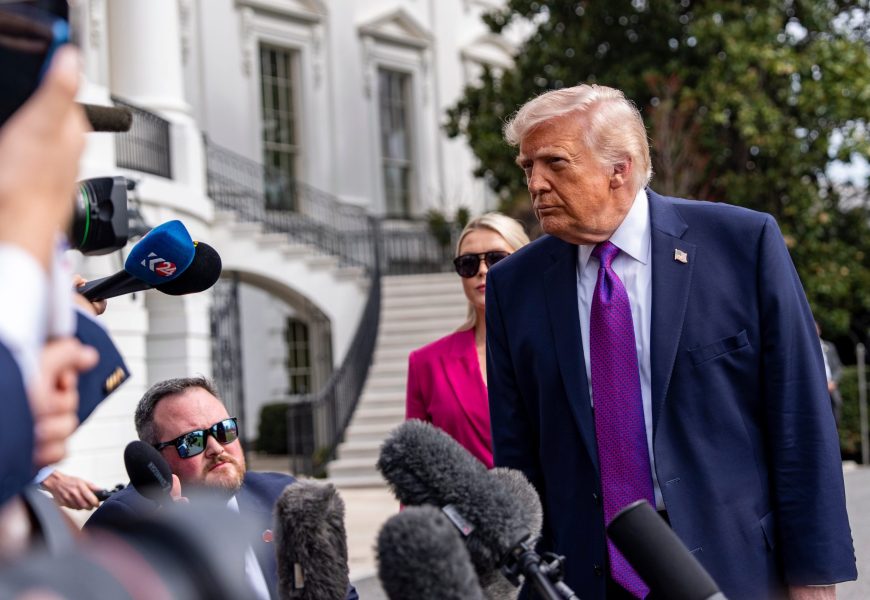
Starmer's reticence angered Trump, who complained last week that Starmer was "not Winston Churchill." But polls suggest his reaction to the war aligns broadly with public sentiment, which is wary of deeper involvement in the conflict.
"The whole affair, while certainly doing nothing to help him, seems - rightly or wrongly - pretty inconsequential in the grand scheme of things," Bale said about the Mandelson documents.
Related Stories
More Top Stories