°C
°C 4
Min
4
Min
The warm spices in gingerbread, the woodsy aroma of pine and fir trees, and the fruity tang of mulled wine are smells synonymous with the holiday season. Many people enjoy lighting candles, incense and fireplaces in their homes to evoke the moods associated with these festive fragrances.
Like many holiday traditions, lighting candles and fireplaces is best done in moderation
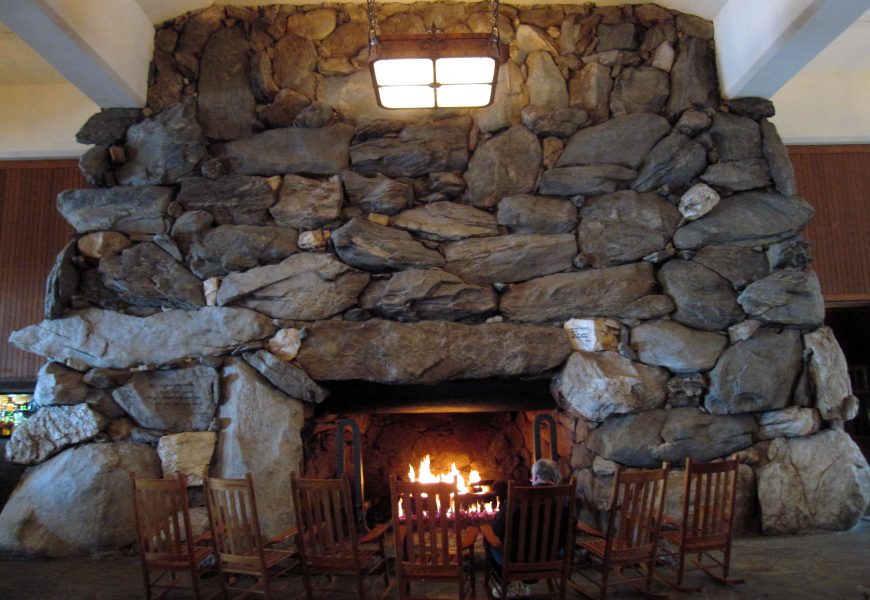
The warm spices in gingerbread, the woodsy aroma of pine and fir trees, and the fruity tang of mulled wine are smells synonymous with the holiday season. Many people enjoy lighting candles, incense and fireplaces in their homes to evoke the moods associated with these festive fragrances.
Burning scented products may create a cozy ambiance, and in the case of fireplaces, provide light and heat, but some experts want people to consider how doing so contributes to the quality of the air indoors. All flames release chemicals that may cause allergy-like symptoms or contribute to long-term respiratory problems if they are inhaled in sufficient quantities.
However, people don’t have to stop sitting by the hearth or get rid of products like perfumed candles and essential oil diffusers, said Dr. Meredith McCormack, director of the pulmonary and critical care medicine division at John Hopkins University’s medical school. Instead, she recommends taking precautions to control the pollutants in their homes.
“Clean air is fragrance free,” said McCormack, who has studied air quality and lung health for more than 20 years. “If having seasonal scents is part of your tradition or evokes feelings of nostalgia, maybe think about it in moderation.”