°C
°C
 3
Min
3
Min
DAVOS, Switzerland (AP) – Leading global economic policymakers at the World Economic Forum in Davos urged countries and businesses to filter out the turmoil from a week of clashes with the Trump administration and focus on boosting growth and fighting inequality in a world where trade will continue to flow and international cooperation is still badly needed.
Economic leaders at Davos say global growth is resilient despite Trump disruption
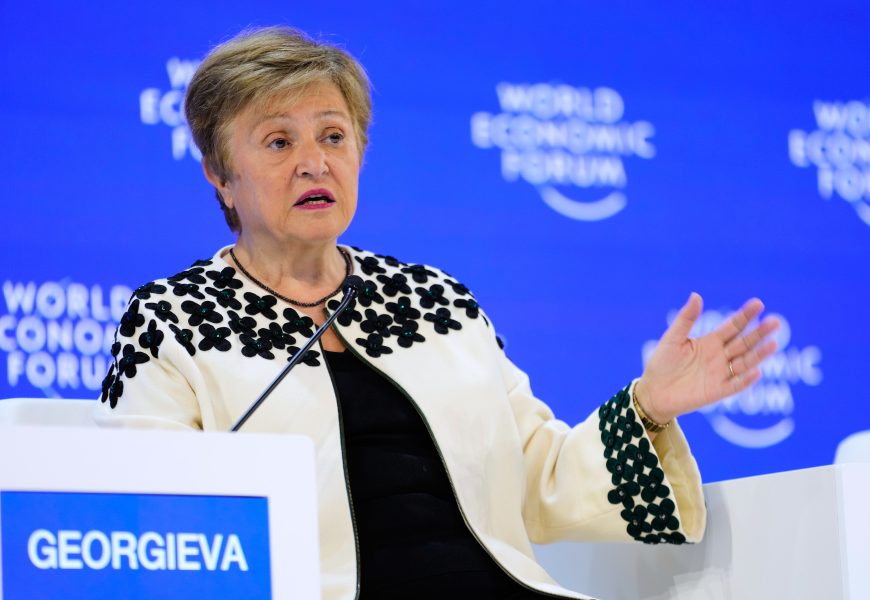
DAVOS, Switzerland (AP) - Leading global economic policymakers at the World Economic Forum in Davos urged countries and businesses to filter out the turmoil from a week of clashes with the Trump administration and focus on boosting growth and fighting inequality in a world where trade will continue to flow and international cooperation is still badly needed.
The global economy is showing unexpected resilience despite the noise, European Central Bank head Christine Lagarde, International Monetary Fund head Kristalina Georgieva and World Trade Organization head Ngozi Okonjo-Iweala said in a panel discussion Friday. But while growth is holding up, troubles like worrisome levels of government debt and inequality loom.
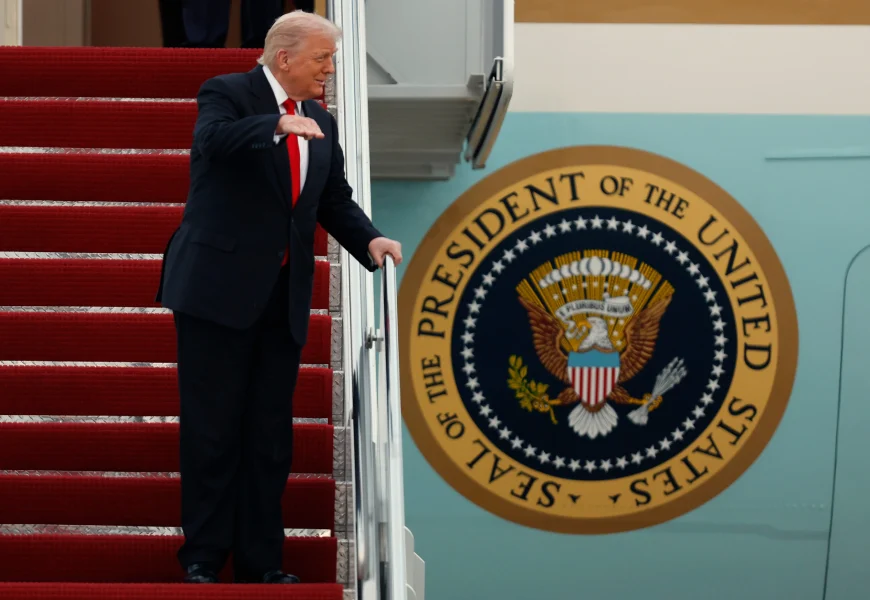
That resilience continues despite disruptions from US trade policy under President Donald Trump, who roiled the weeklong forum with threats to impose tariffs on countries supporting Greenland against a US takeover bid, then withdrew the tariff proposal.
What is now needed, they said, are efforts to boost growth to offset heavy debt levels around the world and ensure that disruptive technologies like artificial intelligence don't worsen inequality or devastate labor markets. And Europe needs to boost productivity and improve its business climate for investment.
Georgieva said the IMF's recently raised forecast of 3.3% global growth for this year was "beautiful but not enough... do not fall into complacency."
She said that level of growth wasn't enough to wear down "the debt that is hanging around our necks" and that governments need to take care of "those who are falling off the wagon."
"We have to look at Plan B, or Plans B," said Lagarde. "I think we've had a lot of noise this week... and we need to distinguish the signal from the noise... we should be talking about alternatives."
She responded to the "Europe bashing" heard during the summit by saying, "we should say thank you to the bashers" for underlining Europe's need to improve its investment climate and promote innovation.
Lagarde downplayed a provocative speech at the forum from Canadian Prime Minister Mark Carney, who called Trump's approach a "rupture" with an international order based on rules, trade and cooperation and said that way of doing business was "not coming back." "From an economic and business point of view we depend on each other," she said.
Okonji-Oweal pointed out that 72% of global trade still takes place under WTO rules, where countries agree to charge all trading partners the same tariffs. That's despite "the biggest disruption in 80 years."
"Resiliency is built into the system, and that is showing up," she said. She conceded that "I don't think we'll go back to where we were."
Georgieva offered a historical perspective: "We have always traded and we will always trade. Trade is like a river, water. You put obstacle, it goes around it. Yes, it would be different, but there would be always the necessity of Dr. Ngozi to look over world trade."
Georgieva also conceded things had changed for good: "How many of you have seen the movie, "The Wizard of Oz?".... We are not in Kansas any more."
More Top Stories