°C
°C
 4
Min
4
Min
The president of African soccer’s governing body has defended its integrity and impartiality after Senegal’s government called for an international investigation into “suspected corruption” at the organization after it stripped the country of its Africa Cup of Nations title.
CAF president defends controversial call to strip Senegal of its Africa Cup title
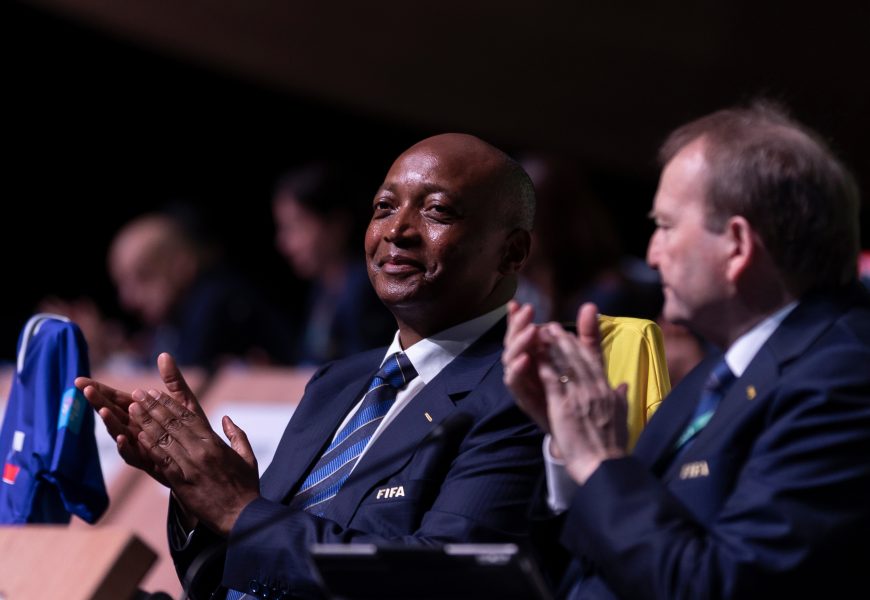
The president of African soccer's governing body has defended its integrity and impartiality after Senegal's government called for an international investigation into "suspected corruption" at the organization after it stripped the country of its Africa Cup of Nations title.
Patrice Motsepe, the president of the Confederation of African Football, sought Wednesday to explain the decision made by its appeals board on Tuesday that ruled Senegal had forfeited the final in January by walking off the field, turning its 1-0 win in extra time into a 3-0 default win for host nation Morocco.
"The CAF disciplinary board took one decision. The CAF appeals board took a totally different position. And I'm told that Senegal is going to appeal, which is very important," Motsepe said in a video published on the CAF website. "We will adhere and respect the decision that's taken at the highest level."
Motsepe said that CAF's disciplinary and appeals board members are chosen from names proposed by each of its 54 member associations.
"If you look at the composition of those bodies, they reflect some of the most respected lawyers and judges on the continent," he said. "These are people who have integrity and have a track record. ... the independence is reflected by the decisions that were taken by the two bodies."
In January, CAF's disciplinary board imposed fines of more than $1 million against the Senegalese and Moroccan federations together. It issued suspensions against the Senegal coach and several players. But it did not interfere with the outcome of the final.
CAF's appeals board on Tuesday ruled that Senegal forfeited the Jan. 18 final by leaving the field of play without the referee's authorization, and that Morocco should consequently be awarded a 3-0 win.
Most of the Senegal team left for almost 10 minutes while Senegal fans battled stewards behind one of the goals in protest against a controversial penalty call for Morocco after Senegal had a goal ruled out. The players returned, Morocco missed the penalty, and Senegal won the match by scoring in extra time.
"What happened in that final match is it undermines the good work that CAF has done over many, many years to ensure that there's integrity, that there is respect, that there's ethics, that there's governance, as well as credibility in the results of our football matches," said Motsepe, who said the incidents in the final had exposed the work CAF was doing to address suspicion and distrust.
"It's a legacy issue. When I became president one of the major concerns was the impartiality, the independence, and the respect of referees and match commissioners, and a lot of good, good work has been done," he said. "That there continues to be suspicions because it's a legacy issue, it's something that has been there for many, many years and we consistently deal with that because that's critically important."
The Senegalese soccer federation said it will appeal Tuesday's decision at the Court of Arbitration for Sport in Lausanne, Switzerland, and the Senegalese government slammed what it called a "manifestly erroneous interpretation of the regulations, leading to a grossly illegal and deeply unjust decision."
Motsepe defended CAF against perceptions of favoritism toward Morocco, which is a 2030 World Cup co-host and has invested heavily to become a soccer superpower.
"Not a single country in Africa will be treated in a manner that is more preferential, or more advantageous, or more favorable than any other country on the African continent," Morsepe said. "We take what has happened at the final match in Morocco ... we take it very, very seriously."
He said CAF had already taken steps to address deficiencies.
"We have very high standards that we set for ourselves. It is important for us that ordinary football supporters and spectators in every one of the 54 countries in Africa, in their judgment - not in CAF's judgment, not in my judgment - regard the decisions of our judicial bodies as fair," Motsepe said.
More Top Stories