°C
°C
 3
Min
3
Min
HONG KONG (AP) – A Hong Kong court Monday dismissed all appeals arising from the city’s biggest case brought under a Beijing-imposed national security law.
A Hong Kong court upholds the convictions of about a dozen activists in national security case
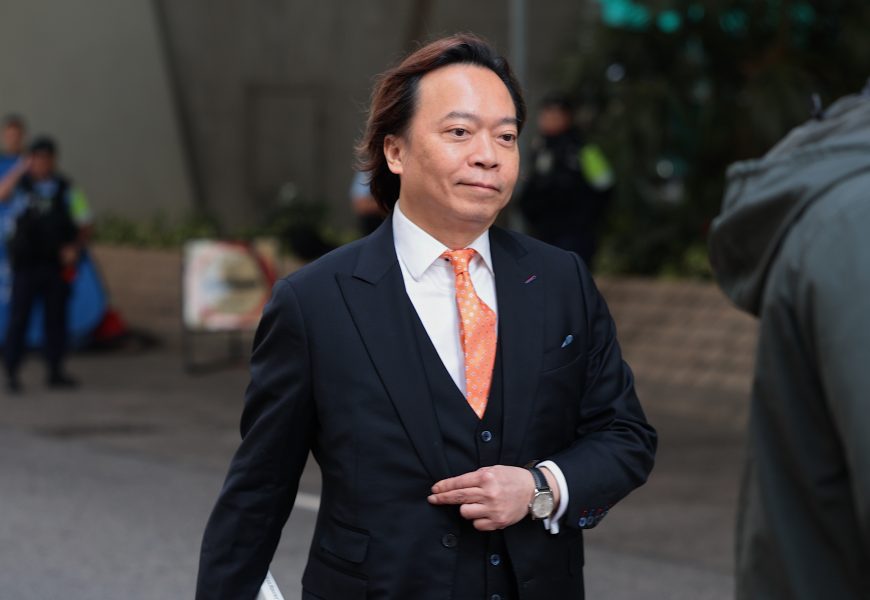
HONG KONG (AP) - A Hong Kong court Monday dismissed all appeals arising from the city's biggest case brought under a Beijing-imposed national security law.
The pro-democracy advocates who lodged the challenges were among 47 activists charged in 2021 with conspiracy to commit subversion for their involvement in an unofficial primary election. The mass prosecution involving some of the best-known activists crushed much of the city's once-thriving pro-democracy movement that reached a height with massive anti-government protests in 2019.
Forty-five of the defendants were sentenced to between four years and 10 years in 2024, with their punishments drawing criticism from foreign governments and rights groups.
Eleven activists who appealed their convictions lost their bids. They included former lawmakers Leung Kwok-hung, Lam Cheuk-ting, Raymond Chan and Helena Wong.
All appeals over sentences, brought by 10 of them and another activist, were also dismissed by the Court of Appeal.
Lawrence Lau, a pro-democracy former district councilor, was one of two activists acquitted in the case. Judges upheld his acquittal following an appeal from the prosecution.
Riding on the 2019 protests, the pro-democracy camp had been looking to make gains in the 2020 legislative election. The unofficial primary was meant to shortlist pro-democracy candidates for the official election.
During the trial, prosecutors said the activists aimed to paralyze Hong Kong's government and force the city's leader to resign by aiming to win a legislative majority and using it to block government budgets indiscriminately.
Judges at the appellate court ruled that the plan was unlawful under the meaning of the security law, saying it was conceived and advocated by legal scholar Benny Tai - whom the lower court described as the mastermind - as a "constitutional mass destruction weapon" for the purpose of toppling the city's constitutional order.
Critics said the activists' convictions illustrated how authorities crushed dissent following the 2019 protests. The Beijing and Hong Kong governments insist the national security law was necessary for the city's stability.
Leung's wife, Chan Po-ying, also an activist but unrelated to the case, said the ruling was not based on facts, arguing the defendants' acts were in line with the city's mini-constitution, the Basic Law.
"It already presumed these people had intended to subvert the state's power," she said.
Amnesty International Hong Kong Overseas spokesperson Fernando Cheung said the ruling reflected the grave state of human rights in Hong Kong.
"By failing to overturn these wrongful convictions and sentences today, the court has missed a critical opportunity to correct this mass injustice," he said.
The case involved democracy advocates across the spectrum, including Tai, who got a 10-year prison term, and former student leader Joshua Wong, whose sentence was four years and eight months.
Nearly 20 activists in the case have been released from prison over the past year. Among them were former district councilors Jimmy Sham and Lester Shum. Sham and Lee Yue-shun, another acquitted activist, chatted with Lau before Monday's hearing.
As those who were still in prison left the courtroom, some waved at their families and supporters.
Some residents stayed outside the court building in line since Saturday to secure a seat in the courtroom. Retiree Margaret Chan arrived Monday morning, hoping to show her support to those she considered to be innocent.
Seeing some activists released from prison relieved her. "They have survived it," she said.
More Top Stories