°C
°C
 6
Min
6
Min
Inviting friends and family members over for a celebration, holiday or routine dinner provides an opportunity for connection, but pressure to serve good-tasting food in a clean and welcoming environment can deter many people from hosting or prevent them from being fully present with their guests when they do.
To make hosting less stressful, strive for connection and not perfection

Inviting friends and family members over for a celebration, holiday or routine dinner provides an opportunity for connection, but pressure to serve good-tasting food in a clean and welcoming environment can deter many people from hosting or prevent them from being fully present with their guests when they do.
But there are not only ways to reduce the stress of entertaining at home, but strong arguments for throwing a party, planning a game night or bringing guests together over a shared meal, according to mental health experts and experienced hosts. Without in-person social gatherings, adults can become increasingly lonely and isolated, especially as more work is done remotely and conversations take place via text messages.
"Oftentimes, we expect someone else to reach out to us. But if the vast majority of people are expecting someone else to do it, then it's going to become a rare thing," said Julianne Holt-Lunstad, a psychology professor at Brigham Young University and the lead author of a 2023 U.S. surgeon general's report on the widespread health risks of loneliness.
Seasoned party-planners say that striving to create meaningful interactions instead of for perfection alleviates some of the stress of hosting. Organizing activities that give guests a way to settle in or mingle, planning a simple menu and asking for help are some of the strategies they use to create an event that everyone, even the host, can participate in and enjoy, they say.
"When we are more socially connected, we are not only happier, but we're healthier and live longer," Holt-Lunstad said.
Madeline Johnson, 24, posts recipes, decoration tips and ideas for backyard parties on social media under the name Madeline May. She said she got into hosting because she was seeking social connection.
"As an only child, I always wanted community," said Johnson, who hosted about a dozen large events with friends and at least five smaller gatherings with family members last year. "I started to realize if I wanted that village around me that I would have to build it on my own."
Now, she wants to help other people build the courage to invite guests over and facilitate bonds between them.
"There's just way too much unnecessary pressure that makes people feel like the bar to host is up here when it's much lower," Johnson said.
As someone who is more naturally reserved, she likes planning an activity for her gatherings, such as painting a flower vase or answering trivia questions, to reduce the initial anxiety of socializing, especially when the group includes people who don't know each other.
Asking guests to bring different foods or assigning them shared tasks like setting the table also can spark conversations and reduce work for the host, Holt-Lunstad said.
"In the U.S., we are so time deprived and have over-scheduled everything that it is difficult to sit down and be present, but a meal allows us to do that. We should not underestimate the power of what food can do," she said.
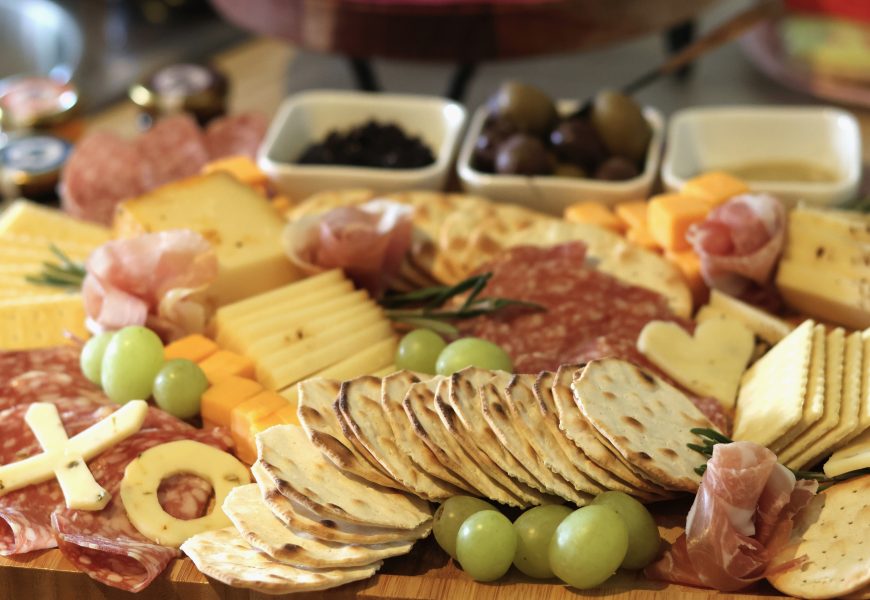
Shared appetizers like charcuterie and grazing boards, and meals that can be prepared in advance such as casseroles, soups and other dishes, are simplifying how people host, reducing time in the kitchen on the day of and making serving and cleanup easier.
Oregon-based chef and cookbook author Josh McFadden, who is known for turning seasonal ingredients into approachable, shareable dishes, talks in one of his books about grazing-style eating having roots in communal farm tables.
Butter boards, which involve spreading soft or whipped butter on a platter topped with honey, herbs or spices and dipped into with bread and crackers, are a modern interpretation that have gained popularity.
"You can put a lot of variety and textures and different flavors into things in an easier way, showing off the seasonality of the food. It becomes a mobile meal," McFadden said in an interview with The Associated Press. "It also creates conversation, and it's just a fun way to eat."
Serving food arranged for picking from a platter is a quick way to serve guests, he said. McFadden also suggests incorporating store-bought foods and asking guests to bring specific dishes or beverages as other ways hosts can lighten their loads.
Katie Eu, 26, who lives in New Hampshire, says she loves a "bring your own" type of gathering, especially since hosting can get expensive if it's not a potluck or friends don't take turns playing host, like she and hers do.
"It is pretty low pressure because what you are providing is not the food, but the space for people to gather," Eu said.
Providing a setting for social connection matters more than how great the food is, what the decor looks like or how spacious a home is, said Richard Slatcher, a social psychology professor at the University of Georgia.
"The other stuff is a bonus," Slatcher said. "It's really about the people."
Inviting people into your home for the first time nevertheless creates a feeling of vulnerability since guests can learn a lot about the host's taste, interests and beliefs through the color scheme, the books on the shelves, and the art work and mementos on display.
Try to remember that vulnerability also is an essential element in fostering authentic human connections, said Slatcher, who co-led research with Holt-Lunstad on how attending live events can combat loneliness.
Guests also have a responsibility when it comes to making a social event fulfilling for themselves and their host, Holt-Lunstad said.
"If you're passively being an attendee, you are not going to feel connected," she said.
For Johnson, guests not confirming their attendance, showing up late or not showing up at all are a major sources of stress.
"I put my heart and soul into everything," she said. "If you want to truly be a good guest, put the invitation on your calendar, don't double book yourself and try to show up on time."
Guests also show consideration for their host by cleaning up after themselves to the extent possible and not overstaying their welcome, according to Eu.
"Hosting is hard, so being aware of space that you're coming into and space you're taking up" matters, she said.
More Top Stories