°C
°C
 3
Min
3
Min
DUBAI, United Arab Emirates (AP) – Zahra Arghavan and Mehdi Alishir stood on their balcony, watching the sun set over Tehran and bracing for the sound of airstrikes.
As Trump threatens Iran’s infrastructure, a Tehran couple wonders how to prepare
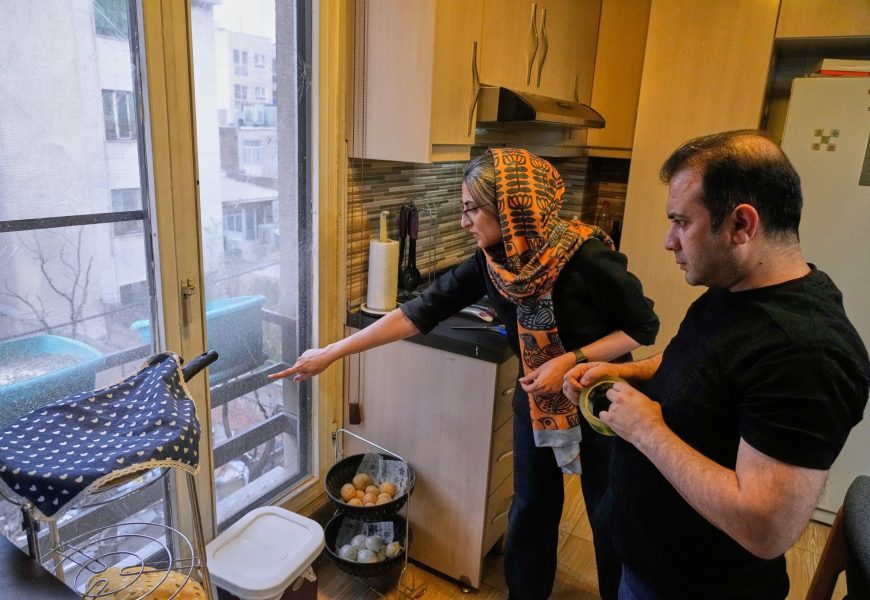
DUBAI, United Arab Emirates (AP) - Zahra Arghavan and Mehdi Alishir stood on their balcony, watching the sun set over Tehran and bracing for the sound of airstrikes.
As time ticks down on U.S. President Donald Trump's latest ultimatum, their thoughts were clouded by new fears: How long will the power be out if plants are bombed? How would they leave the city if the bridges are taken out?
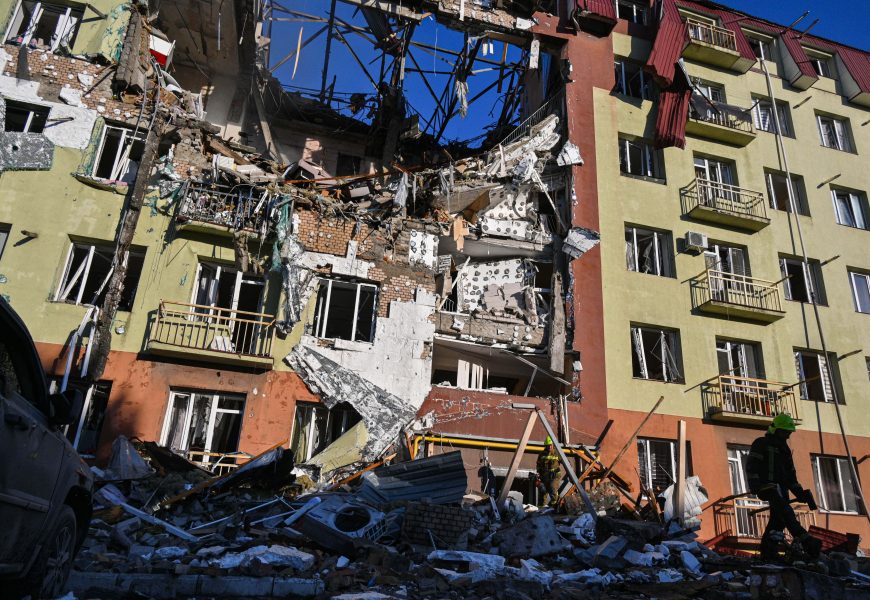
Five weeks on, they have grown used to the roar of American and Israeli fighter jets, the sound of explosions and sleepless nights. Like many, they've left the capital and returned in search of elusive safety. Married for over a decade, they made it through the COVID pandemic and the 12-day war last June.
They've used clear packing tape to lines the edges of their windows, a precaution against blasts. Mirrors and fragile objects have been moved or secured. A packed bag holds documents, medications and essentials, ready in case they need to leave quickly.
In an expletive-laden threat over the weekend, Trump vowed that "Tuesday will be Power Plant Day, and Bridge Day," and that Iran's leaders will be "living in Hell" if they don't open the Strait of Hormuz.
"Honestly, the situation is really unclear," Arghavan said. "We don't really understand things like how long the power might go out if it does, or what life without electricity would even look like."
Alishir said he and his wife could handle life without power - and potentially without running water - for a week at most. "If it goes on longer, we'll definitely run into problems," he said.
Their struggles began even before the first American and Israeli bombs slammed into Iran on Feb. 28.
The Iranian government's crackdown on nationwide protests in January severely limited internet access. The internet monitoring organization NetBlocks says it's the longest nationwide shutdown ever recorded.
Arghavan runs a small language school that teaches French to Iranians who want to live in the Canadian province of Quebec.
"We were basically an online school, and our students had classes with kids abroad," she said. "Around 50% of our learners were outside the country. But now, with all these internet outages, it's really disrupting our work."
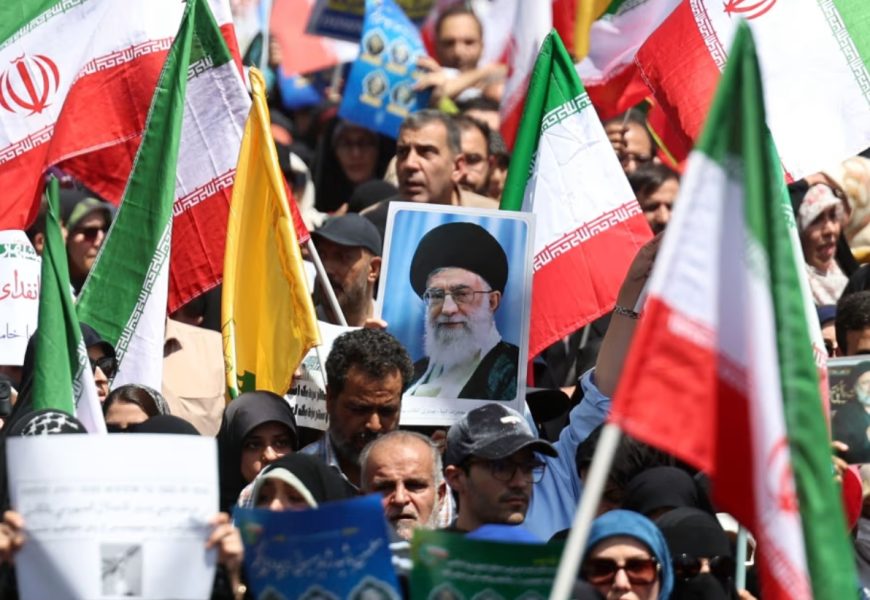
Iranians are divided over the war: Some take part in daily pro-government rallies; others quietly cheer the strikes against their leaders while condemning the deaths of civilians and damage to infrastructure.
The couple blames Israel and the U.S. for starting the war and hope for a diplomatic solution.
"I really hope an agreement is reached soon and that whatever happens, it ends up helping people, because right now people are the ones paying a heavy price," Arghavan said.
More Top Stories