°C
°C
 3
Min
3
Min
BRUSSELS (AP) – The European Union on Monday imposed sanctions on 16 officials accused of helping Russia to abduct tens of thousands of children from Ukraine and force many to change their identities or be put up for adoption. Sanctions were also slapped on seven centers suspected of indoctrinating the children or training them to serve in the armed forces.
EU targets Russians with sanctions over the abduction of thousands of Ukrainian children

BRUSSELS (AP) - The European Union on Monday imposed sanctions on 16 officials accused of helping Russia to abduct tens of thousands of children from Ukraine and force many to change their identities or be put up for adoption.
Sanctions were also slapped on seven centers suspected of indoctrinating the children or training them to serve in the armed forces, either for Russia or pro-Russian militias inside Ukraine.
Over 130 people and "entities" are now under EU travel bans and asset freezes over the abductions.
EU headquarters said the measures target "those responsible for the systematic unlawful deportation, forced transfer, forced assimilation, including indoctrination and militarized education, of Ukrainian minors, as well as their unlawful adoption and removal to the Russian Federation and within temporarily occupied territories."
Since Russia launched its full-scale invasion of Ukraine in early 2022, about 20,500 children have been unlawfully deported or forcibly transferred to Russia or Russian-held territories in eastern Ukraine.
EU officials say many of the children are stripped of their Ukrainian identity and culture, given Russian passports and put up for adoption. Some are forced into schools for indoctrination or into military camps.
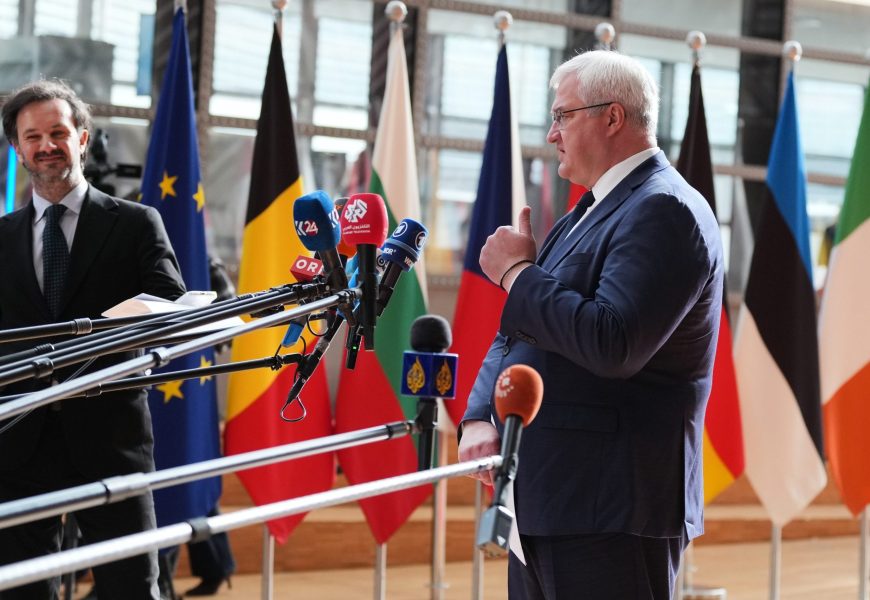
"Russia is trying to erase their identity," Latvian Foreign Minister Baiba Braže said Monday at a meeting with EU counterparts in Brussels, where the sanctions were endorsed. "When you look at the Genocide Convention, it's one of the features of the genocide crime. So, it's very serious."
The International Criminal Court has issued an arrest warrant for Russian President Vladimir Putin for war crimes, accusing him of personal responsibility for the abductions.
Around 2,200 children have been returned, but identifying them is complicated. Those taken at a young age can be difficult to recognize just a few years later. Getting them home is a harrowing task, and while Ukraine has reintegration structures in place some may face a long period of adaption when they return.
The EU on Monday was hosting, alongside Canada, a meeting of the 47-country International Coalition for the Return of Ukrainian Children to increase diplomatic pressure on Russia and rally support for work to verify and trace those who are taken.
"War has really many faces, but stealing the children is really one of the most horrific," EU Enlargement Commissioner Marta Kos said ahead of the gathering. "We should stop this, and Russia should pay."
The officials targeted by Monday's sanctions include the heads of children's camps, government representatives and military officers in charge of youth training.
One of the 16 named was Lilya Shvetsova, head of the "Red Carnation" camp in occupied Crimea. The EU said she supervised "activities aimed at shaping the political and ideological views of children present at the facility, including Ukrainian children."
Like others on the list, she was determined to be "supporting and implementing actions and policies contributing to the deportation, forced transfer, forced assimilation, including indoctrination, or militarized education of Ukrainian minors."
More Top Stories