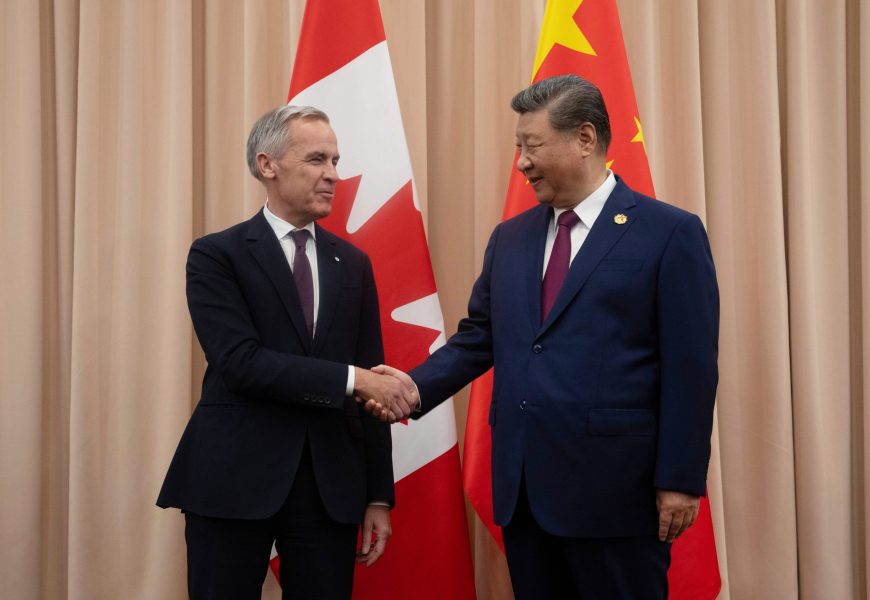
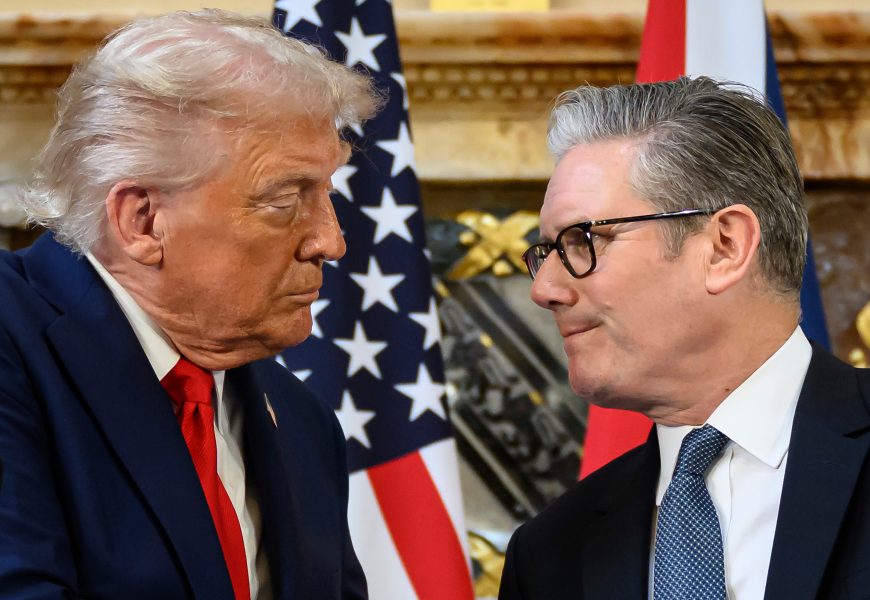
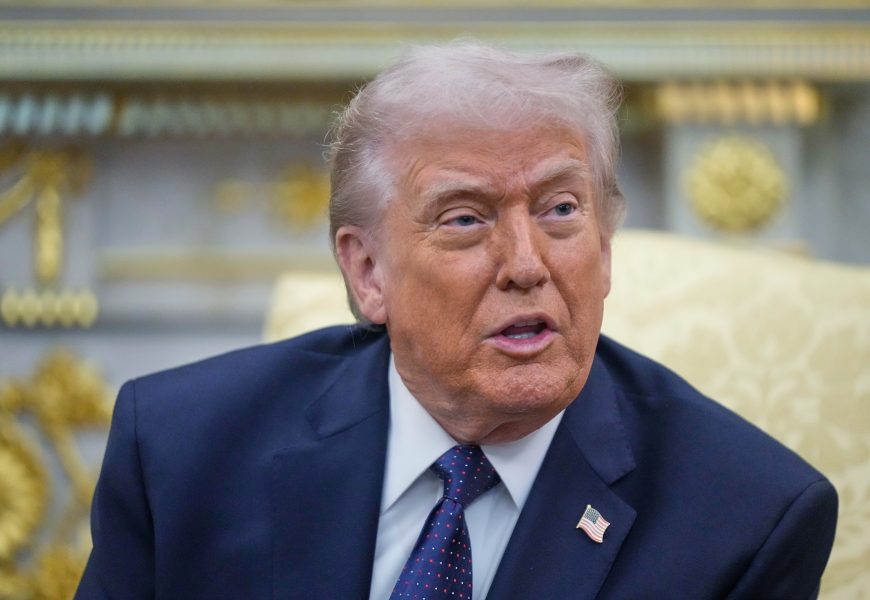
Carney, for his part, has focused on trade, describing the trip to China as part of a move to forge new partnerships around the world to end Canada's economic reliance on the American market. Trump has hit Canada with tariffs on its exports to the United States and suggested the vast, resource-rich country could become America's 51st state.
The Canadian prime minister, who took office last year, is seeking to revive a relationship with China that was marked with acrimony for more than six years under his predecessor, Justin Trudeau.
The downturn in relations started with the arrest of a Chinese tech executive in late 2018 at America's request and was fueled more recently by the Trudeau government's decision in 2024 to follow Biden's lead in imposing a 100% tariff on Chinese-made electric vehicles. China has retaliated for both that and a 25% tariff on steel and aluminum with its own tariffs on Canadian exports including canola, seafood and pork.
"If the Canadian side reflects on the root causes of the setbacks in bilateral relations over the past few years - the previous Justin Trudeau government's policies to contain China in lockstep with the United States - it will realize that it can avoid the same outcome by upholding its strategic autonomy in handling China-related issues," the state-owned China Daily newspaper wrote in an editorial this week.
"If Ottawa still chooses to subject its China policy to the will of Washington again in the future, it will only render its previous efforts to mend ties with Beijing in vain," the English-language paper warned.


 °C
°C
 4
Min
4
Min