°C
°C
 5
Min
5
Min
BRUSSELS (AP) – The U.S.-Israeli war on Iran and Tehran’s retaliatory strikes across the Middle East are quickly dragging Europe in, forcing the continent into defensive action to protect military bases and evacuate citizens caught up in the conflict.
Europe defends military bases and struggles to evacuate citizens as it is drawn into the war on Iran
BRUSSELS (AP) - The U.S.-Israeli war on Iran and Tehran's retaliatory strikes across the Middle East are quickly dragging Europe in, forcing the continent into defensive action to protect military bases and evacuate citizens caught up in the conflict.
The Middle East is home to some of Europe's key trading partners, and a number of strategic trading routes. Many Europeans live in cities such as Beirut, Dubai or Jerusalem, while large communities from countries including Turkey, Egypt and the Gulf states have settled across Europe. Europeans weren't consulted on this U.S.-Israeli operation but are now dealing with the fallout.
While refusing to directly join the war, Britain, France and Germany have said they would work with the United State to help stop Iran's attacks. The U.K. will allow U.S. forces to use British bases to attack Iran's missiles and launch sites.
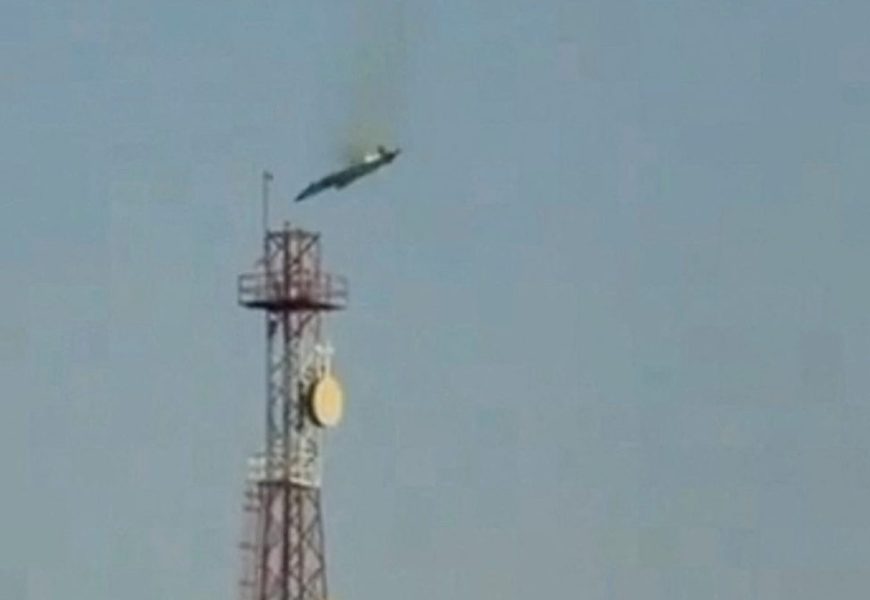
But Europe itself is not immune. Cyprus, holder of the European Union's rotating presidency, had to insist that it was not involved in the conflict after a Shahed-type drone damaged a U.K. air base on the island's southern coast over the weekend. The Shaheds were developed by Iran but have already been used in Europe, by Russia in its war on Ukraine.
Wary of other attacks at home, some European countries are also beefing up security at rail stations and airports.
Still, almost no European leader has criticized the U.S.-Israeli attacks. Many are satisfied to see the downfall of an Iranian regime that has for years arrested European citizens and challenged Europe's economic interests.
Spain has been a rare dissenting voice. "One can be against a hateful regime," Prime Minister Pedro Sánchez said Sunday, "and at the same time, be against a military intervention that is unjustifiable, dangerous and outside of international law."
At the same time, helping to foster stability in the volatile Middle East region is a European priority. Fears over a sustained hike in oil prices, and the possibility of a new wave of unpredictable migration mean that the continent must remain involved.
Europe's major short-term priority is ensuring the safety of thousands of citizens caught up in the war as it spreads.
Concerns about getting people out were raised during an emergency meeting of EU foreign ministers over the weekend. No joint evacuation effort was launched, but one could be needed imminently.
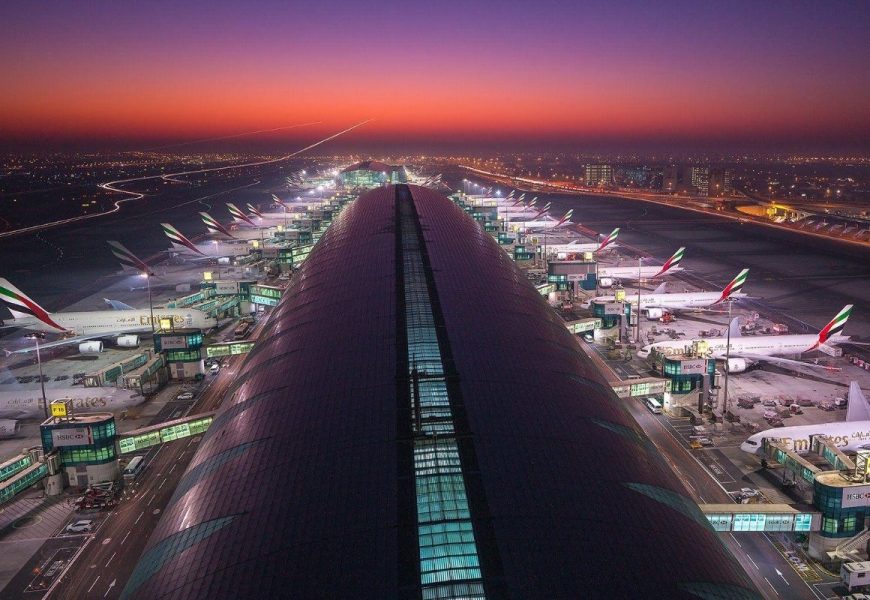
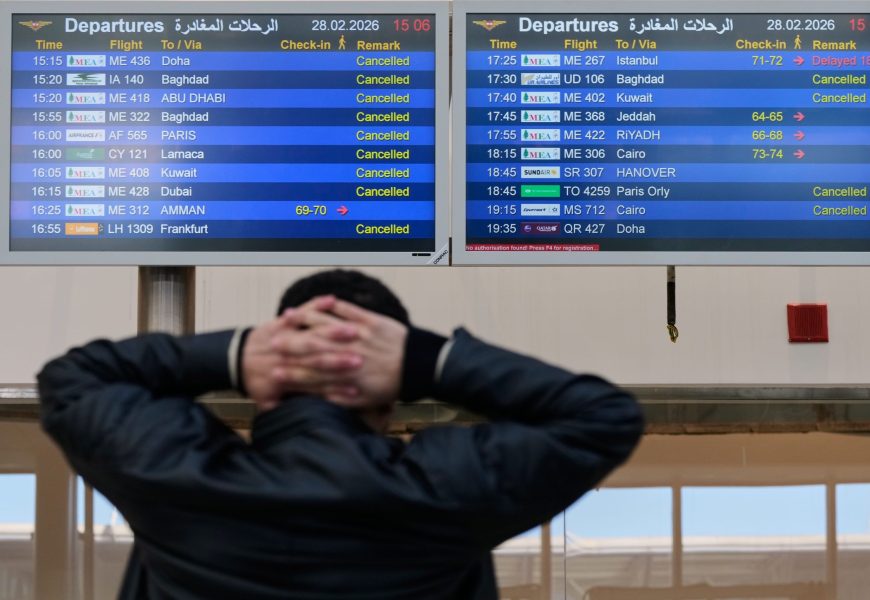
Germany says that about 30,000 German tourists are stuck on cruise ships, in hotels or at closed airports and cannot get back home because of the conflict. Most of them are in the Middle East but some are further afield, stranded because their travel connections run through Abu Dhabi, Qatar or Dubai. A military evacuation was not possible due to airspace closures.
The Czech Republic, meanwhile, has sent two planes to Egypt and Jordan to bring home Czech nationals, dozens of whom have traveled by bus from Israel. Another four planes were to be sent to Oman to pick up more of the estimated 6,700 Czechs in the region.
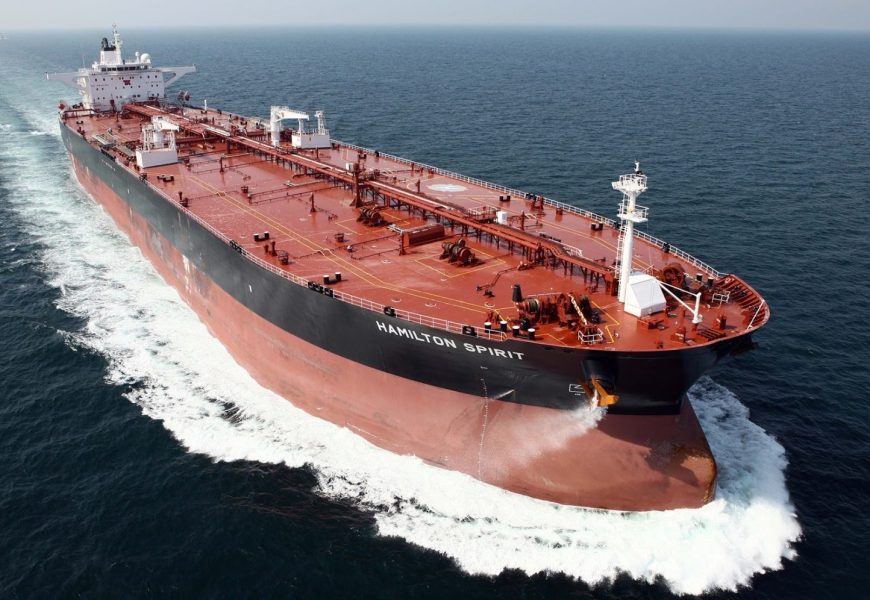
Iran has been threatening ships in the Strait of Hormuz, the narrow mouth of the Persian Gulf through which a fifth of all oil traded passes, and ships have been attacked there. Calls have mounted for the EU to help protect merchant vessels.
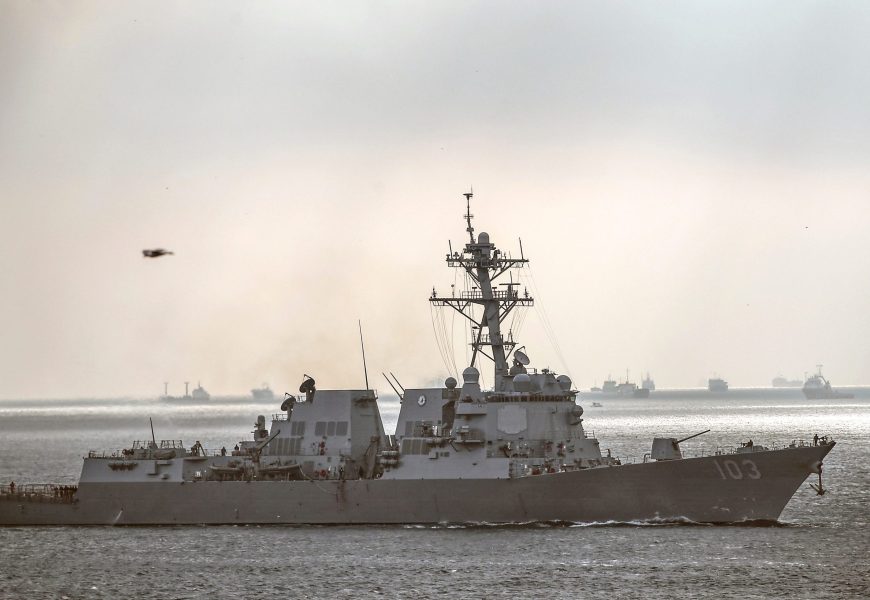
In response, France was sending two more warships to beef up Operation Aspides, the bloc's naval mission in the region. But they would only deploy to the distant Red Sea and Gulf of Aden - gateways to the Suez Canal, which links the Red Sea to the Mediterranean - to join three other ships already in place.
Operation Aspides was set up two years ago, to help defend maritime traffic against possible attacks by Houthi rebels based in Yemen. But while the Houthis have expressed support for Iran, they did not immediately announce any military action on its behalf.
Discussion is underway on a review of the operation's mandate and a possible toughening of its rules of engagement, but no changes are expected soon.
Maintaining stability in the wider Middle East is a key European concern. Iran's acts of retaliation in several countries have been widely condemned.
EU foreign policy chief Kaja Kallas is expected to convene a meeting with Gulf Cooperation Council countries at foreign minister level later this week, as the bloc continues to try to reassure Iran's neighbors and other vulnerable countries nearby.
"Iran's attacks of a number of countries in the Middle East are inexcusable. The events must not lead to further escalation that could threaten the region, Europe and beyond, with unpredictable consequences," Kallas said after chairing Sunday's emergency talks.
The EU intends to drive diplomatic efforts to help reduce tensions, and still aims to prevent Iran from acquiring nuclear weapons despite its nuclear development deal falling apart after the Trump administration pulled America out.
Officials say the EU has no preferred candidate to take over in Teheran, and in any case it's too early to tell who might be best to back as future leader. The foreign ministers primarily expressed "solidarity with the Iranian people."
They offered support to "their fundamental aspirations for a future where their universal human rights and fundamental freedoms are fully respected."
The Europeans insist that a genuine popular movement against the regime arose in recent months but that it was shut down in an unprecedented wave of violence. Thousands were killed and tens of thousands detained.
One thing is clear. The EU is unlikely to back any leadership pushed by Iran's Revolutionary Guard. The IRGC was added the bloc's terror list last month, making it almost impossible for the Europeans to take them seriously as an interlocutor.
More Top Stories