°C
°C
 3
Min
3
Min
PRAGUE (AP) – Czech Republic lawmakers on Wednesday approved a 2026 budget that falls short of a NATO target for defense spending, despite pressure from the United States and the country’s own president.
Czechs won’t meet NATO defense spending target under populist leader Babiš
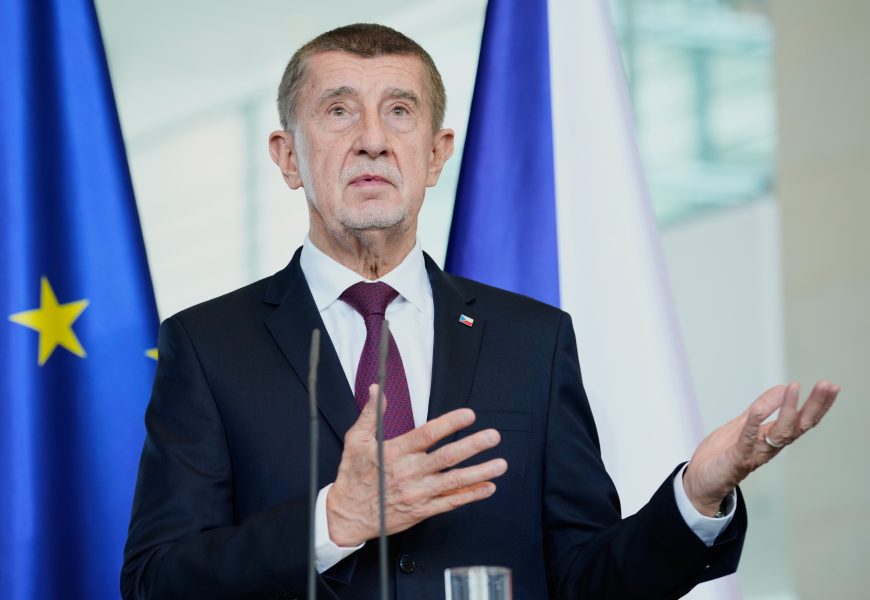
PRAGUE (AP) - Czech Republic lawmakers on Wednesday approved a 2026 budget that falls short of a NATO target for defense spending, despite pressure from the United States and the country's own president.
The legislators loyal to the new government of populist Prime Minister Andrej Babiš, voted 104-87 in Parliament's 200-seat lower house to allocate almost 155 billion koruna ($7.4 billion) for the Defense Ministry, or just over 1.7% of gross domestic product.
The NATO target is 2% of GDP. The Czech spending would inch above 2% only if funding for defense-related projects at other ministries is factored in. It was not clear if that would be acceptable to the alliance, which the Czech Republic has been a member of since 1999.
Babiš argued that his government had other priorities, such as "the health of our citizens," and said it was "the maximum possible" budget due to a poor state of public finances inherited from the previous government.
NATO members in 2014 committed their defense spending to at least 2% of GDP and the alliance expected all members, including the Czechs, to meet that target last year.
At the 2025 Hague summit, under pressure from the Trump administration, the alliance agreed to go further and invest 3.5% of GDP on core defense requirements and another 1.5% on defense- and security-related spending by 2035.
President Petr Pavel, a retired army general, urged lawmakers to increase the budget and noted the ongoing Russian invasion of Ukraine: "Today, there is not a single justifiable reason for defense and security spending to stagnate."
The president still must sign the budget and has said that he will do it because the budget is the government's business, not his.
Babiš returned to power after his ANO, or YES, movement won big in an October election, forming a governing coalition with two small political groups, the Freedom and Direct Democracy party and the Motorists, whose agenda includes steering the country away from supporting Ukraine and rejecting some key European Union policies.
U.S. Ambassador Nicholas Merrick has reminded the Czechs of their NATO obligations.
"If Czechia fails to fulfill its commitments, it impacts the entire alliance," Merrick told a security conference last week in Prague. "And I don't need to remind you, and the Czech people, how essential it is that allies honor commitments."
The ambassador said that with the proposed defense budget, "Czechia would risk being among the lowest spenders in the alliance, and would be demonstrating negative momentum compared to peer NATO partners."
More Top Stories