°C
°C
 3
Min
3
Min
LONDON (AP) – Former Google executive Matt Brittin will be the new director-general of the BBC, the broadcaster announced Wednesday, taking the helm as the U.K.’s national broadcaster faces an uncertain future and a $10 billion lawsuit from U.S. President Donald Trump.
BBC names ex-Google executive Matt Brittin its new director-general as it faces a feud with Trump
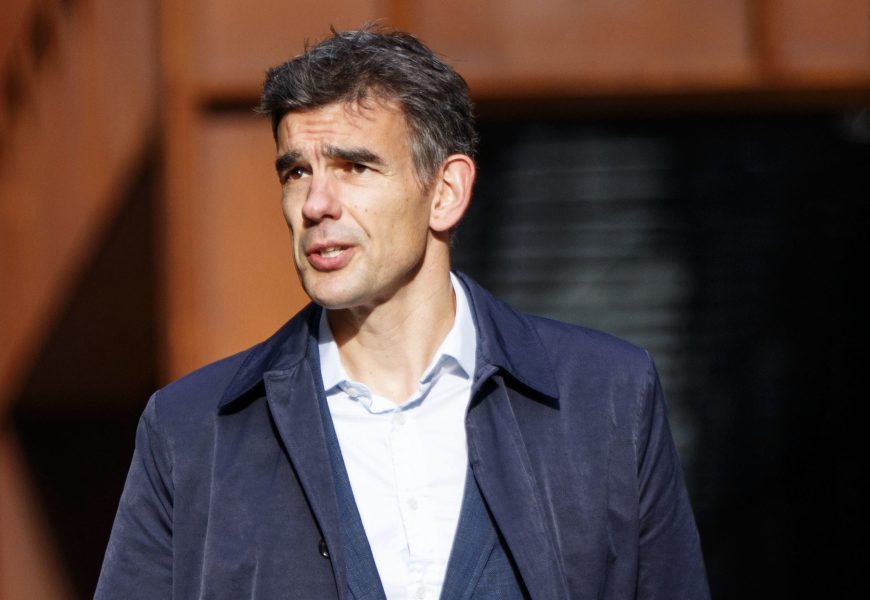

LONDON (AP) - Former Google executive Matt Brittin will be the new director-general of the BBC, the broadcaster announced Wednesday, taking the helm as the U.K.'s national broadcaster faces an uncertain future and a $10 billion lawsuit from U.S. President Donald Trump.
Brittin, 57, spent almost two decades at Google, becoming the company's president in Europe, the Middle East, and Africa. He does not have a background in broadcasting.
He said the 104-year-old BBC is "an extraordinary, uniquely British asset."
"Now, more than ever, we need a thriving BBC that works for everyone in a complex, uncertain and fast changing world," he said in a statement.
Brittin will start the job on May 18. He replaces Tim Davie, who resigned in November over criticism of how the broadcaster edited a speech Trump made on Jan. 6, 2021, before some of the president's supporters stormed the U.S. Capitol.
A documentary aired days before the 2024 presidential election spliced together three quotes from the speech into what appeared to be one quote in which Trump urged supporters to march with him and "fight like hell."
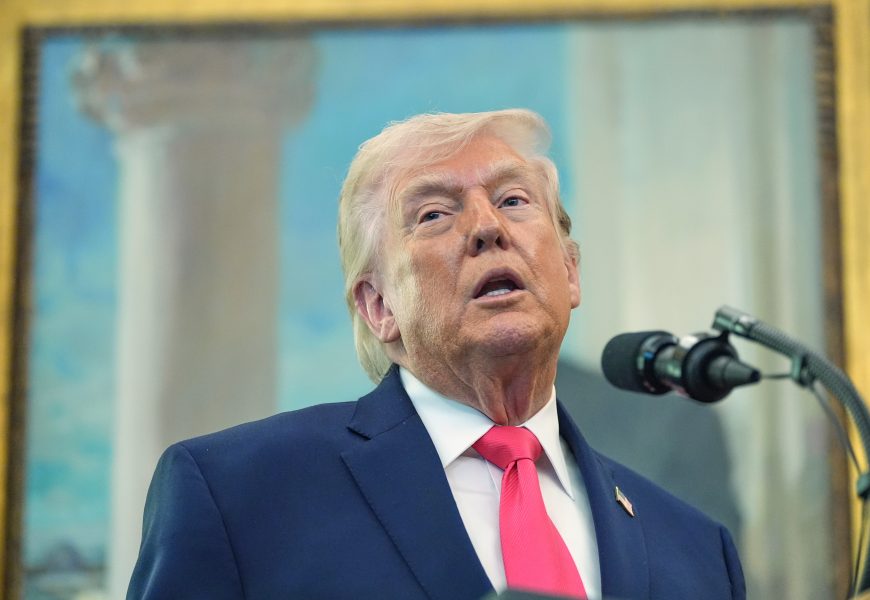
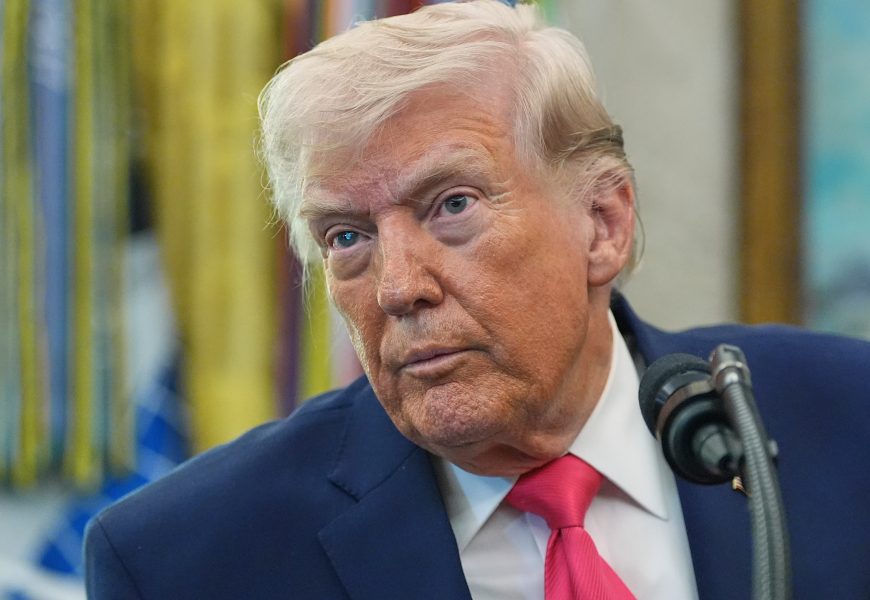
Trump is suing the broadcaster for defamation in a Florida court, accusing the BBC of broadcasting a "false, defamatory, deceptive, disparaging, inflammatory, and malicious depiction" of him, and of "a brazen attempt to interfere in and influence" the 2024 U.S. presidential election.
The broadcaster's chairman has apologized to Trump over the edit of the speech, admitting that it gave "the impression of a direct call for violent action." But the BBC rejects claims it defamed him.
The BBC has asked the federal court in the Southern District of Florida to dismiss the suit, arguing that the case could have a "chilling effect" on robust reporting on public figures and events. It also says the case should be thrown out because the documentary was never aired in Florida or the U.S.
The BBC is also facing a once-a-decade process of renewing its governing charter, which sets out how much public money it will receive. The broadcaster is funded by an annual license fee, currently set at 174.50 pounds ($230), paid by all U.K. households who watch live TV or any BBC content.
The license fee has long had opponents, not least rival commercial broadcasters, and they have grown louder in an era of digital streaming when many people no longer have television sets or follow traditional TV schedules.
The center-left Labour government says it will ensure the BBC has "sustainable and fair" funding but has not ruled out replacing the license fee with another funding model.
Brittin said the BBC faces "a moment of real risk, yet also real opportunity.
"The BBC needs the pace and energy to be both where stories are, and where audiences are," he said. "To build on the reach, trust and creative strengths today, confront challenges with courage, and thrive as a public service fit for the future. I can't wait to start this work."
More Top Stories