°C
°C
 3
Min
3
Min
LONDON (AP) – The Bank of England kept its main interest rate unchanged at 3.75% on Thursday with U.K. inflation remaining above target and economic growth is showing signs of picking up. The decision was widely anticipated in financial markets but the split on the nine-member rate-setting panel was much closer than expected.
Bank of England stands pat on interest rates, but cuts expected ahead
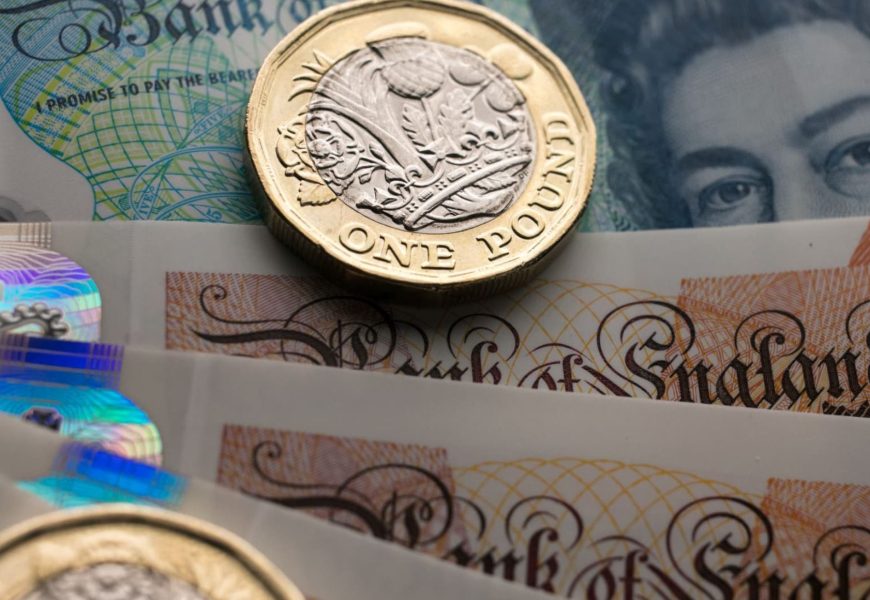

LONDON (AP) - The Bank of England kept its main interest rate unchanged at 3.75% on Thursday with U.K. inflation remaining above target and economic growth is showing signs of picking up.
The decision was widely anticipated in financial markets but the split on the nine-member rate-setting panel was much closer than expected. Five members of the Monetary Policy Committee opted to keep rates unchanged while four voted for a quarter-point cut.
The central bank, which sets interest rates for the whole of the U.K., has been steadily reducing interest rates over the past 18 months, more often than not every three months. It last cut its key rate in December and indicated that further reductions are likely this year.
Economic forecasts accompanying the decision reinforced the view that further rate cuts are in the offing, as the bank is predicting that inflation will fall back to its 2% target in the coming months from 3.4% currently.
That's around a year earlier than previously thought. It said a series of measures to reduce the cost of living, particularly with regard to energy bills, that were announced in November's annual budget by Treasury chief Rachel Reeves were largely behind the faster drop.
"We now think that inflation will fall back to around 2% by the spring," said Bank Governor Andrew Bailey. "That's good news. We need to make sure that inflation stays there, so we've held rates unchanged at 3.75% today. All going well, there should be scope for some further reduction in Bank Rate this year."
Britain's Labour government, which has lost significant support since it won the general election in 2024 partly because of the economy, is counting on inflation falling sharply this year, which would allow the central bank to further reduce borrowing costs.
While painting a rosier inflation picture, the central bank downgraded its growth forecasts for the British economy this year, from 1.2% to 0.9%, and for 2027, from 1.6% to 1.5%. It is also expecting the unemployment rate to rise to 5.3% this year, having said in November that it would peak at 5.1%
Lower interest rates help spur economic growth by reducing borrowing costs, which can lead to increased spending by consumers and boost investment by businesses. But that can also fuel higher prices.
Following Thursday's decision and the tight vote split, economists said there are likely to be at least two more quarter-point rate cuts this year.
"A cut at the next meeting in March is most certainly on the table," said Luke Bartholomew, deputy chief economist at asset management firm Aberdeen. "And even if it takes a bit longer for the next cut to come through, we still think there is a strong case for rates to eventually fall to 3% later this year."
More Top Stories