°C
°C
 5
Min
5
Min
LONDON (AP) – A former top British official on Tuesday revealed behind-the-scenes details about how scandal-tainted politician Peter Mandelson, a friend of Jeffrey Epstein, came to be approved as Britain’s ambassador to Washington despite failing security checks.
Takeaways from former top UK official’s testimony on the Mandelson appointment scandal
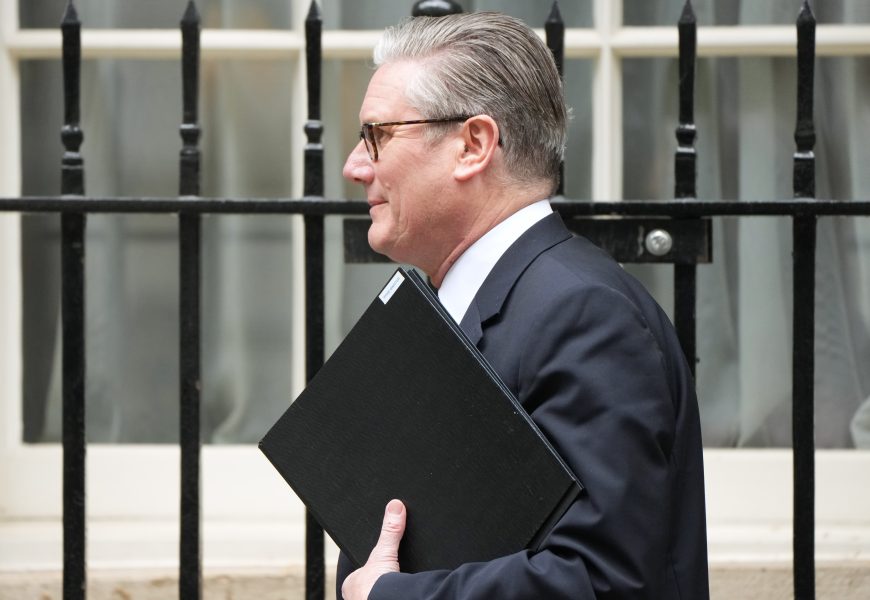

LONDON (AP) - A former top British official on Tuesday revealed behind-the-scenes details about how scandal-tainted politician Peter Mandelson, a friend of Jeffrey Epstein, came to be approved as Britain's ambassador to Washington despite failing security checks.
Olly Robbins, the former head of the Foreign Office, was fired by Prime Minister Keir Starmer last week over his decision to approve Mandelson for the top diplomatic job despite being briefed about security concerns.
In his defense, Robbins told lawmakers Tuesday that his department followed the correct procedure. But his comments did little to dispel months of questions surrounding Starmer's judgment in appointing Mandelson, and led to renewed calls for Starmer to step down.
The fallout for Starmer has rumbled on even though he fired Mandelson last year after documents showed the ambassador had maintained much closer ties to Epstein than previously thought.
Here are some key takeaways from Robbins' testimony to Parliament's Foreign Affairs Committee:
One of the most damaging revelations for Starmer was Robbins' description of the political pressure to push through Mandelson's security vetting.
Robbins told lawmakers there was a "very, very strong expectation" from Downing Street that Mandelson "needed to be in post and in America as quickly as humanly possible."
Robbins said security vetting was underway but not yet complete when he took up his job, about two weeks after Mandelson's appointment was announced in December 2024. The U.S. government had accepted the nomination and Mandelson was granted access to classified briefings.
Downing Street took a "dismissive attitude" to Mandelson's security vetting, Robbins said.
There was "never any interest, as far as I can recall, in whether, but only an interest in when," he said.
Starmer said he was "furious" he wasn't told Mandelson had failed security clearance and that he fired Robbins for withholding that information. The government said Starmer only found out last week that United Kingdom Security Vetting, the team carrying out highly sensitive security checks on officials, had advised against granting Mandelson clearance.
Robbins said Foreign Office confidentiality rules barred him from telling the prime minister he had approved Mandelson for the posting despite the team's advice to the contrary, and that the vetting process is so secretive that even he was not shown the panel's report on Mandelson.
The government has said vetting officials give their recommendations on a document with three boxes - green, yellow and red - to indicate if clearance should be approved or denied. It's not known what risks were flagged by the vetting officials, nor whether Robbins knew what they were.
Robbins said he never saw the document but that he was briefed that the vetting officials considered Mandelson a "borderline case" and were "leaning towards recommending that clearance be denied."
Nonetheless, Foreign Office officials decided those risks could be managed or mitigated.
The furor over the appointment arose earlier this year when new files released in Washington suggested Mandelson sent market-sensitive information to Epstein following the 2008 financial crisis when he was the U.K. government's business secretary.
But Robbins said explicitly that concerns raised in Mandelson's security screening had nothing to do with his ties to the convicted sex abuser.
Alarms, however, were sounded in a "due diligence report" when Mandelson was first named as the future ambassador. The report released to Parliament last month showed civil servants raised concerns about the "reputational risk" the elder statesman posed for the government if appointed to the high-profile diplomatic post.
In addition to citing the Epstein relationship, the report outlined Mandelson's troubling business ties to Russia and China and noted his resignations from two previous Labour governments because of scandals over money and ethics.
Starmer apologized and blamed Mandelson for lying about the extent of his ties to the convicted sex offender.
Robbins' testimony that Mandelson was appointed despite significant security concerns has heaped new pressure on a beleaguered Starmer to defend himself from rivals calling for his resignation.
Conservative leader Kemi Badenoch said it was "inconceivable" that nobody in Starmer's office knew Mandelson had flunked the security clearance, and she accused him of misleading Parliament.
"The evidence from Olly Robbins is devastating to Keir Starmer," Badenoch said. "It is clear that No. 10 not only made the appointment before vetting was completed, but that Mandelson was already acting as the ambassador before the vetting, even seeing highly-classified documents. ... It is now absolutely clear that 'full due process' was not followed."
Polling has consistently shown support for Starmer is falling. Keiran Pedley, director of politics at the polling firm Ipsos, said the latest revelations could entrench the public's negative views about his leadership.
"Recently it had been suggested that Starmer's response to the Iran war had put questions about his future on the back burner," Pedley added. "That may no longer be the case."
Upcoming local elections in England, Scotland and Wales could deliver a more resounding referendum on his leadership if they are, as expected, particularly bad for the Labour Party.
More Top Stories