°C
°C
 4
Min
4
Min
Governments across Australia are banking on boosting housing supply to make homes more affordable - but experts warn high-rise developments alone won't solve the crisis. Federal, state and local governments have pledged to deliver 1.2 million new, well-located homes over five years.
Why more apartments may not make housing cheaper
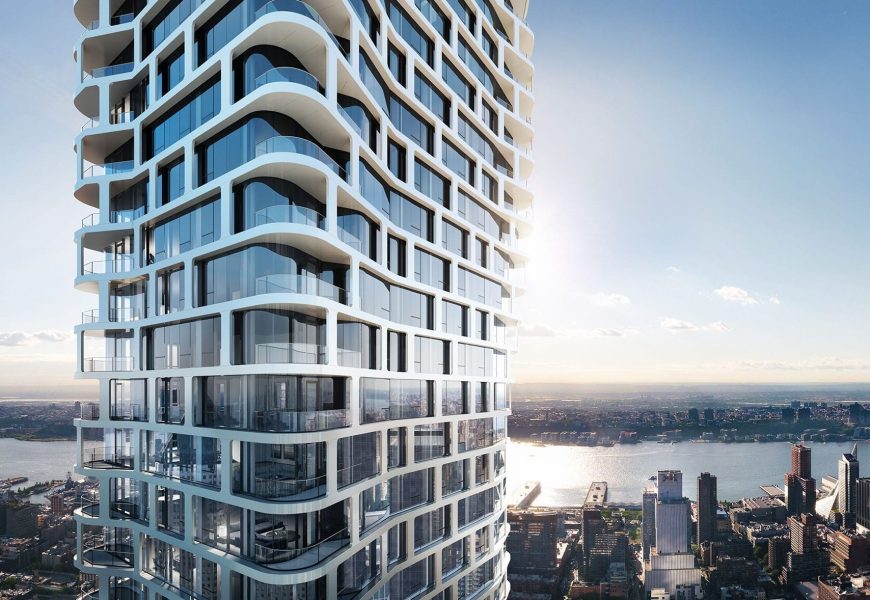
Governments across Australia are banking on boosting housing supply to make homes more affordable - but experts warn high-rise developments alone won't solve the crisis.
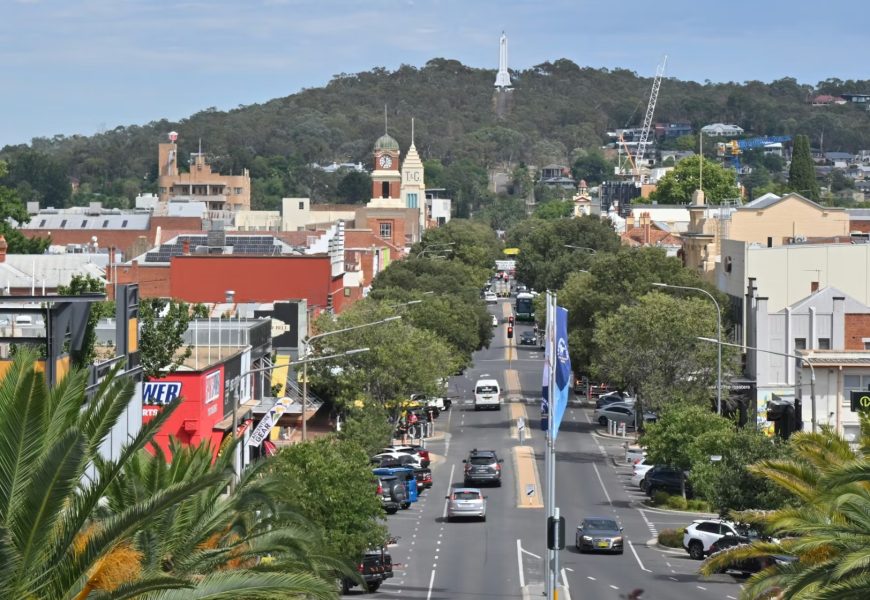
Federal, state and local governments have pledged to deliver 1.2 million new, well-located homes over five years. Councils are also rezoning land to allow larger apartment projects, such as in Sydney's inner west, where young residents are increasingly supporting higher-density housing despite local opposition.
New data suggests progress: apartment approvals reached a near three-year high in September, with 5,430 units approved nationwide, according to the Australian Bureau of Statistics.
But history shows that more development doesn't always mean lower prices.
Rezoning can push up values
When the City of Sydney rezoned Green Square from industrial to mixed-use in the 1990s, the move aimed to revitalise the area and provide more housing. But a later report found rezoning drove up land values and rents, pricing out low and moderate-income households.
Between 1999 and today, 179 apartment buildings have gone up in the area. While the project aimed to maintain social diversity, early Census data showed a sharp rise in higher-income residents, with median rents jumping by $25 a week in just one year - far above the Sydney average at the time.
To counter this, the council now requires developers to dedicate 3 per cent of new dwellings, or an equivalent monetary contribution, to affordable housing. So far, 254 affordable units have been built in Green Square, with another 500 approved.
Supply alone isn't affordability
RMIT urban planning lecturer Liam Davies says allowing more apartments doesn't necessarily create affordable housing.
"If we take affordable housing as housing for people on low or very low incomes, it won't make a lick of difference," he says. "All it does is stop it getting more unaffordable."
He points to areas like Green Square, Mascot and Melbourne's Docklands - all packed with new apartments but still far from "affordable."
Still, more supply can help keep price growth in check. In Zetland, population has grown nearly 400 per cent since 2006, yet unit prices rose by 92 per cent over the same period - lower than Sydney's overall 121 per cent increase.
Developers follow the money
Davies says another problem is that developers stop building when prices fall, limiting how much supply can ever push prices down. Banks also restrict lending in such conditions.
KPMG urban economist Terry Rawnsley says while new apartments might be cheaper than nearby terrace houses, they're still out of reach for many workers.
"What they do provide is more choice," he says. "When high-income earners move into better apartments, they free up older or cheaper homes for others."
Rawnsley adds that building more mid-range housing - townhouses or smaller apartment blocks - could help prevent lower-income renters from being priced out of gentrifying areas.
The family housing gap
The shift toward smaller units has also created challenges for families. Davies says knocking down houses to build mostly one- and two-bedroom apartments makes larger dwellings rarer and more expensive.
Domain data shows prices for three-bedroom units have risen faster than for two-bedroom ones, and now exceed the median price of three-bedroom houses in Sydney.
Davies argues new developments should include more family-sized apartments and better design standards. He suggests mid-rise, five-storey "Paris-style" apartments as a more balanced model than high-rise towers.
More diverse housing needed
A Grattan Institute report released this week estimates Sydney could unlock one million new homes by allowing developments of up to three storeys without needing a planning permit, provided they meet clear design rules. Nationwide, that could add 67,000 homes a year and cut rents by up to 12 per cent within a decade.
But experts agree that increasing private housing supply alone won't deliver affordability.
Under the National Housing Accord, governments have committed to building or supporting 20,000 affordable homes - just 1.7 per cent of the total target. Housing Minister Clare O'Neil says more than 25,000 social and affordable homes are now in planning or construction, with 55,000 expected by 2029.
However, delivery has been slow. Only 567 homes have been built so far through the Housing Australia Future Fund, prompting criticism from the Greens, who argue for direct investment in public housing instead.
Urban planner Mark Fotheringham says every major development should be required to include affordable units - a practice common in cities like London.
"It just falls apart when some councils don't enforce it," he says. "We need a consistent national approach."
Rawnsley agrees the solution lies in boosting supply across all segments.
"You need more public housing, more affordable housing, and more private housing," he says. "The problem's too big for a single fix - we have to do it all."
More Top Stories