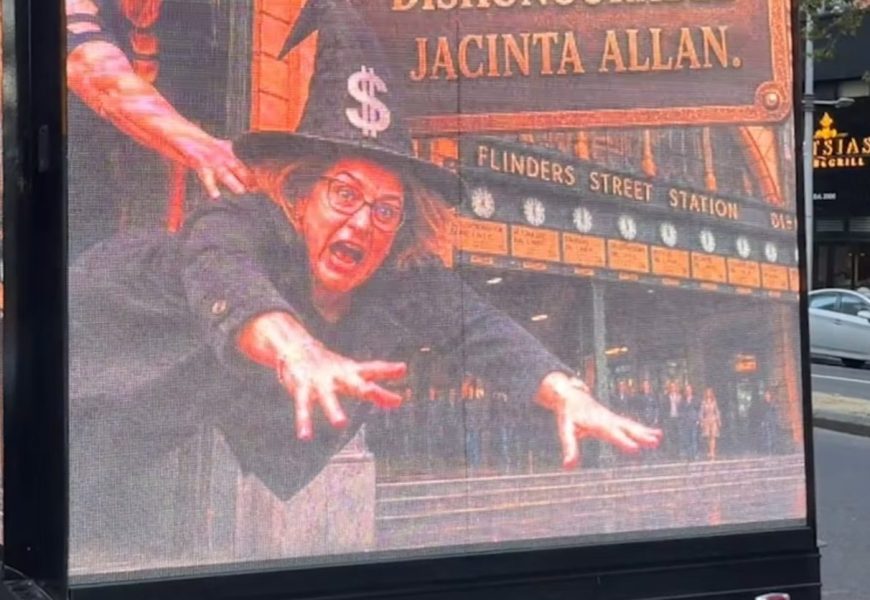
It's also a sledge that targets women's appearance. Witches are portrayed as ugly, poor, disabled, barren spinsters who fail to live up to feminine beauty standards.
As women's value in a patriarchy is tied to their appearance and how appealing they are to the male gaze, a witch is therefore seen as worthless.
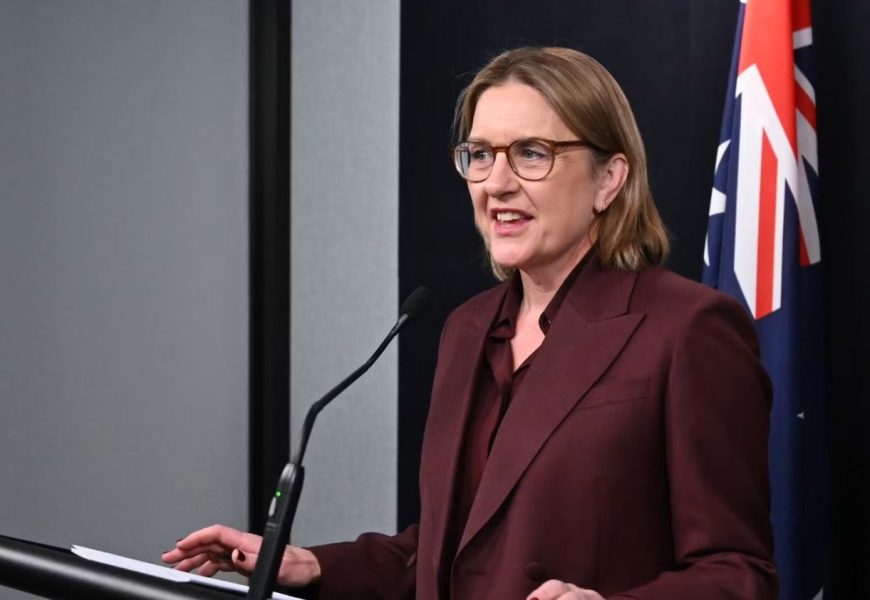
In a patriarchy, a woman's value is also linked to producing children and playing the role of a "good wife" - something that witches famously do not do. So when Julia Gillard - once described by a Liberal senator as "deliberately barren" - is called a witch, it is about punishing women who do not perform femininity in a certain, traditionalist way.
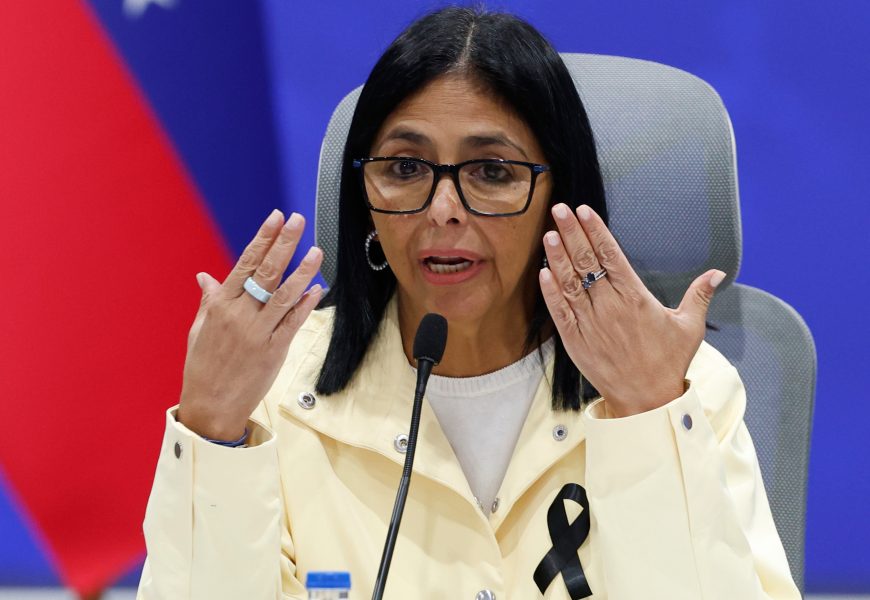
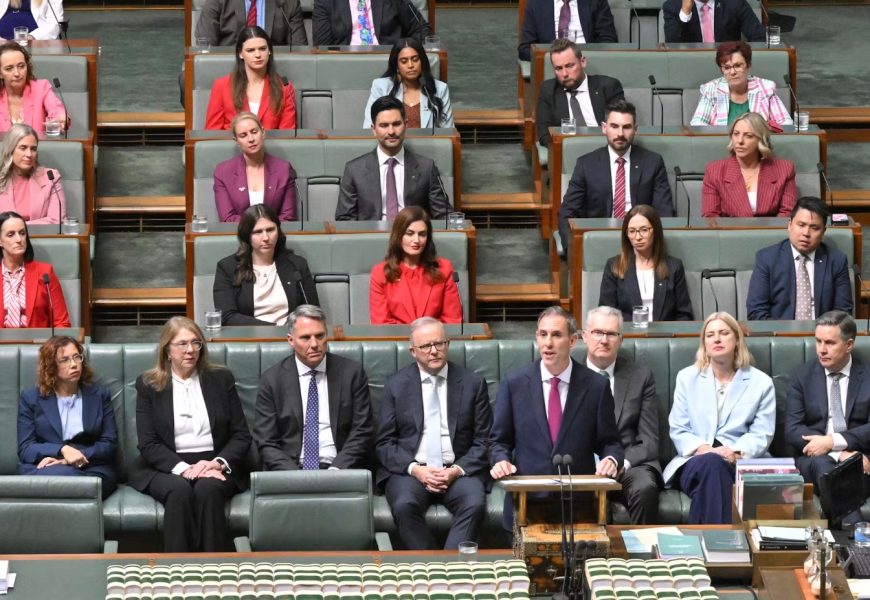
There is also a double standard. While women politicians risk being denigrated as witches, this is a term rarely, if ever, used for male politicians.
The male supernatural counterpart to a witch is a wizard or a warlock. A warlock (derived from the Old English "wǣrloga" which meant traitor, scoundrel, monster) and wizard (derived from the Middle English "wysard", meaning wise) both imply greatness.


 °C
°C
 6
Min
6
Min