°C
°C
 6
Min
6
Min
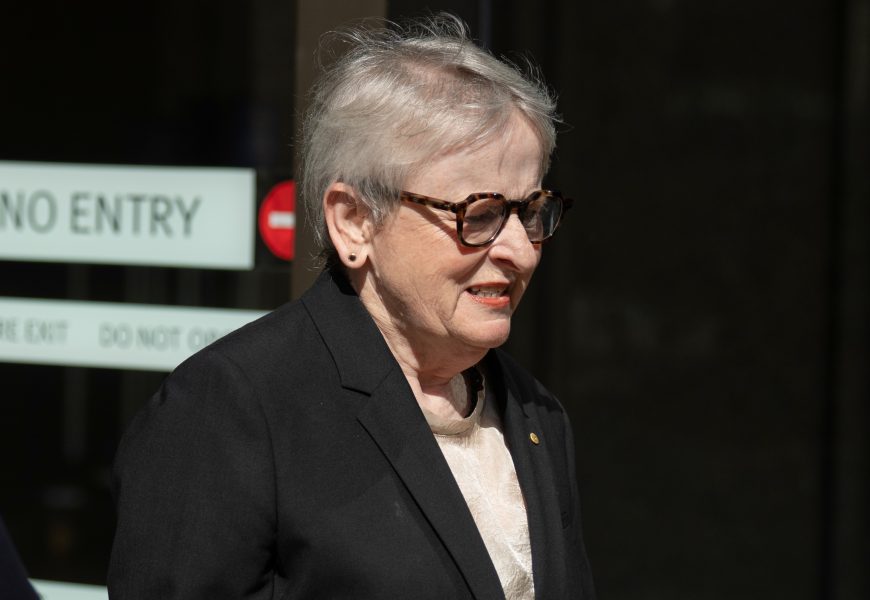
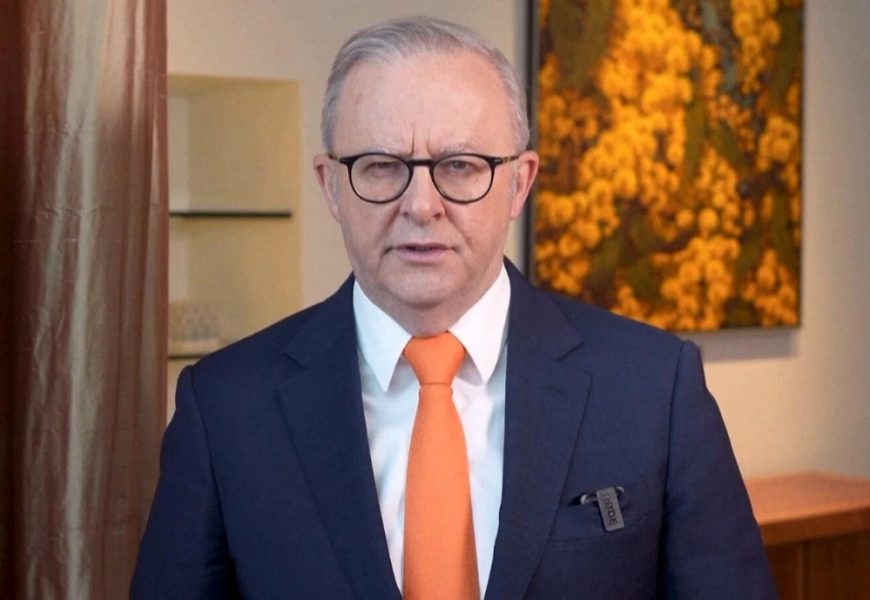
After weeks of mounting pressure, the government has called a royal commission to look into antisemitism and social cohesion in Australia. Prime Minister Anthony Albanese appointed former High Court judge Virginia Bell to chair the wide-ranging inquiry. It's required to report by December 14 2026: the one-year anniversary of the Bondi terror attack.
These are the 6 key questions the antisemitism royal commission needs to answer

After weeks of mounting pressure, the government has called a royal commission to look into antisemitism and social cohesion in Australia.
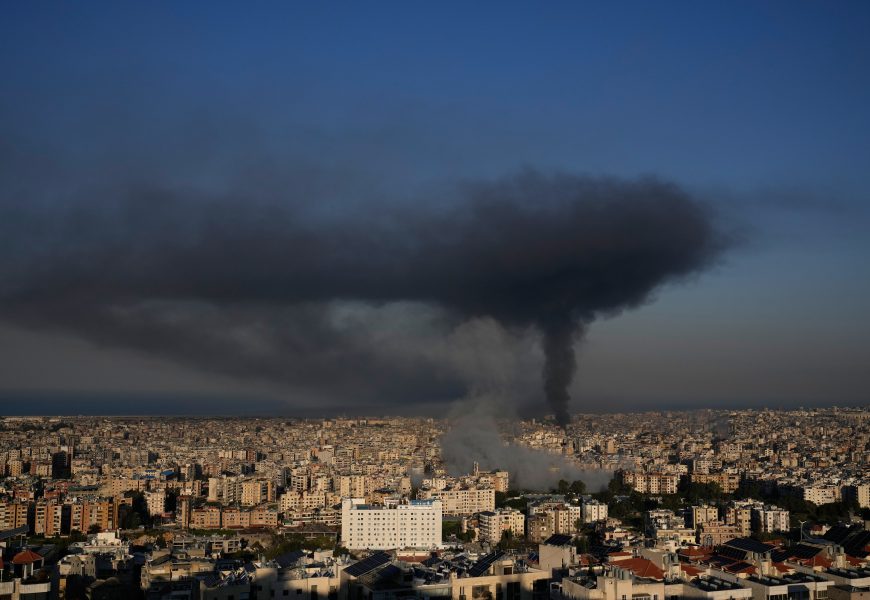
Prime Minister Anthony Albanese appointed former High Court judge Virginia Bell to chair the wide-ranging inquiry. It's required to report by December 14 2026: the one-year anniversary of the Bondi terror attack taregting the Jewish community, in which 15 people died at a Hanukkah event.
The royal commission will take in the Richardson inquiry, which was already looking into law enforcement responses to the attack. An interim report on that work will be handed down in April.
It's welcome news. In a politically contested environment, the decision represents leadership and bipartisan recognition that a threshold has been crossed. The deadliest attack on Jewish people since the October 7 2023 Hamas assault on southern Israel - and the deadliest terrorist attack in Australia's history - did not occur in isolation. Nor can it be explained as a security failure alone.
It was the product of deeper ideological convergences and institutional and social breakdowns that now demand national scrutiny.
What will the royal commission examine?
Albanese outlined four key areas in the terms of reference, which determine the scope of the inquiry. They are:
- Tackling antisemitism by investigating the nature and prevalence of antisemitism and examine key drivers in Australia, including religiously motivated extremism.
- Making recommendations to enforcement, border, immigration and security agencies to tackle antisemitism.
- Examining the circumstances surrounding the Bondi Beach terrorist attack in December.
- Making recommendations to strengthen social cohesion in Australia.
By investigating these concerns, the aim should be to prevent such an attack from happening again, and to eradicate antisemitism from Australia's public institutions and civic life.
Achieving this means holding people responsible. This does not necessitate a descent into blame, but it does require clarity about who enabled harm, who failed to act, and who benefited from silence, ambiguity or procedural delay.
This means asking tough questions. There will be many, but here are six key ones that need answers.
6 key questions
1. How did Islamist radicalisation continue, largely unabated?
The commission must examine how those espousing Salafi jihadist ideology continued to circulate, recruit and radicalise in Australia, despite longstanding warnings and expressions of concern from Jewish community members, leaders and counter-terrorism experts.
It should assess whether concerns about electoral sensitivity, community backlash, or accusations of anti-Muslim racism inhibited decisive action. This includes scrutiny of funding streams, community gatekeepers, foreign influence, and whether security agencies were constrained in addressing networks that framed antisemitic violence as religiously justified.
It must also assess whether the current safeguards are adequate to identify and disrupt ideological influence in Australia that's funded and coordinated overseas.
2. How did far-left language permit or excuse violence?
The commission must examine the role of the language of decolonisation, resistance and "anti-Zionism" to legitimise hostility towards Jews and, in some cases, violence.
Research has shown how concepts drawn from postcolonial critique have been selectively used by some critics of Israel to flatten history and recast Jewish identity as illegitimate.

This is not an argument against academic freedom, legitimate scholarship or fair criticism of the Israeli government. The issue is how these interpretations moved from academic settings into activist and institutional spaces, where many felt they were used to justify exclusion and intimidation of Jewish people.
This rhetoric has also spread into parts of the mainstream left, where Jewish concerns were sometimes met with moral equivalence or deflection rather than engagement.
3. How did far-right extremists continue to organise and incite violence?
The royal commission should also investigate the role of far-right and neo-Nazi actors who treat antisemitism as a core organising ideology.
This includes assessing how white supremacist networks spread conspiratorial narratives, glorify violence and frame Jews as existential threats. It must also address the appropriateness of law enforcement and intelligence responses.
The commission must determine whether warning signs were recognised, whether disruption strategies were effective, and whether legislative or resourcing gaps allowed these far-right actors to operate with relative impunity.
4. Which institutions failed to uphold their duty of care, and why?
The commission must scrutinise how antisemitic narratives were allowed to take root within institutions entrusted with public authority.
Universities warrant particular attention. Current scrutiny has resulted in little meaningful change.
For example, Jewish students and staff reported feeling pressured to adopt political positions, criticised for the actions of a foreign government they neither elected nor necessarily supported, and intimidated when they refused.

Despite public statements and taskforces, protections were often delayed or inconsistently applied. A Labor-led Senate inquiry called the universities' responses to anti-Jewish sentiment "woefully inadequate".
Getting to the bottom of this means examining how university leaders assessed risk, handled complaints and enforced their obligations to protect students.
5. How did media and online ecosystems legitimise antisemitism?
Antisemitic tropes now circulate well beyond extremist forums. They appear in mainstream media, cartoons, slogans and online commentary, reproducing conspiracies about Jewish power and manipulation.
The commission must assess where editorial judgement failed at Australian media organisations, where platform governance was inadequate, and how these environments contributed to the normalisation of extremist narratives.
6. Why did political leadership and social cohesion mechanisms fail to respond to warning signs?
The commission must examine how political leadership - through action, ambiguity or inaction - shaped the responses to rising antisemitism in Australia, as well.
This includes scrutiny of those who participated in protests with violent rhetoric. It also means looking at the clarity of public condemnations of antisemitic incidents and the extent to which Jewish concerns were made into partisan issues.
Finally, Jewish leaders repeatedly raised concerns about rising antisemitism. The commission must assess how those warnings were received and acted upon.
In summary, a royal commission of this kind cannot succeed without the courage to ask difficult questions. These are central to addressing what should be the core aims of the commission.
Honest introspection is not a threat to democracy or social cohesion. Preventing a recurrence of this moment in Australian history requires confronting uncomfortable truths about ideology, institutions, leadership, and the limits of Australia's own assumptions.
TheConversation.com
Author: Josh Roose - Associate Professor of Politics, Deakin University
More Top Stories