°C
°C
 2
Min
2
Min
Shares in Rio Tinto have fallen sharply after confirmation the miner is in takeover discussions with Swiss-based Glencore, a deal that could create the world's largest resources company. Under options being considered, Rio could acquire all Glencore shares via a scheme of arrangement, forming a combined mining giant with a potential market value exceeding US$200 billion.
Rio Tinto and Glencore Explore Landmark Merger
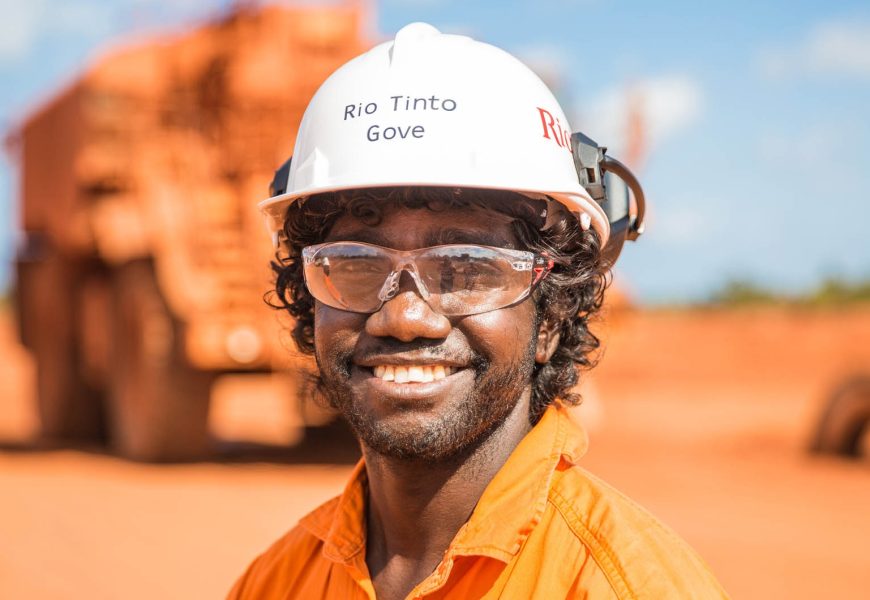
Shares in Rio Tinto have fallen sharply after confirmation the miner is in takeover discussions with Swiss-based Glencore, a deal that could create the world's largest resources company.
Under options being considered, Rio could acquire all Glencore shares via a scheme of arrangement, forming a combined mining giant with a potential market value exceeding US$200 billion. However, analysts remain sceptical a full takeover will proceed, citing strategic and cultural hurdles.
Investors reacted nervously, with Rio shares down more than 5.5 per cent after the talks were first reported by the Financial Times.
If completed, the merger would create a dominant force in copper - a commodity enjoying strong demand as electrification and energy transition projects accelerate. Glencore is among the world's top 10 copper producers, with major operations including Mt Isa in Queensland. Rio owns 30 per cent of Chile's Escondida, the world's largest copper mine, and controls the Oyu Tolgoi project in Mongolia, expected to become the fourth-largest globally when fully operational.
A full merger would eclipse BHP as the world's biggest mining company. But a more limited transaction remains possible, given doubts over whether Rio would want Glencore's extensive coal portfolio or its large commodities trading arm.
Rio exited coal entirely in 2018, while Glencore is currently the world's largest coal producer, operating 13 coal mines in Australia alone. Glencore has previously floated the idea of spinning off its coal assets into a separate entity.
Under UK takeover regulations, Rio has until February 5 to either make a formal offer to Glencore shareholders or abandon the proposal.
Bloomberg analysts Alon Olsha and Grant Sporre said any deal would be complex. "Rio wants Glencore's copper assets but not its coal portfolio," they noted, adding that Glencore's trading business could clash with Rio's operating culture - though the prospect of actively trading Rio's vast iron ore volumes may prove tempting.
Glencore traces its origins to a commodities trading business founded in the 1970s by Marc Rich, who later received a controversial presidential pardon from Bill Clinton. Rio Tinto, founded in 1873, takes its name from a copper-rich river region in Spain where the company began operations.
More Top Stories