°C
°C
 3
Min
3
Min
Floodwaters continue to devastate north-west Queensland, with more than 29,000 head of livestock now confirmed dead or missing and fears the toll could rise significantly as producers gain access to inundated properties. Across sodden black soil country near Julia Creek, grazier Emily Stevens is still coming to terms with the scale of the loss of 1,500 cattle.
30,000 Cattle Lost in North-West Queensland Floods
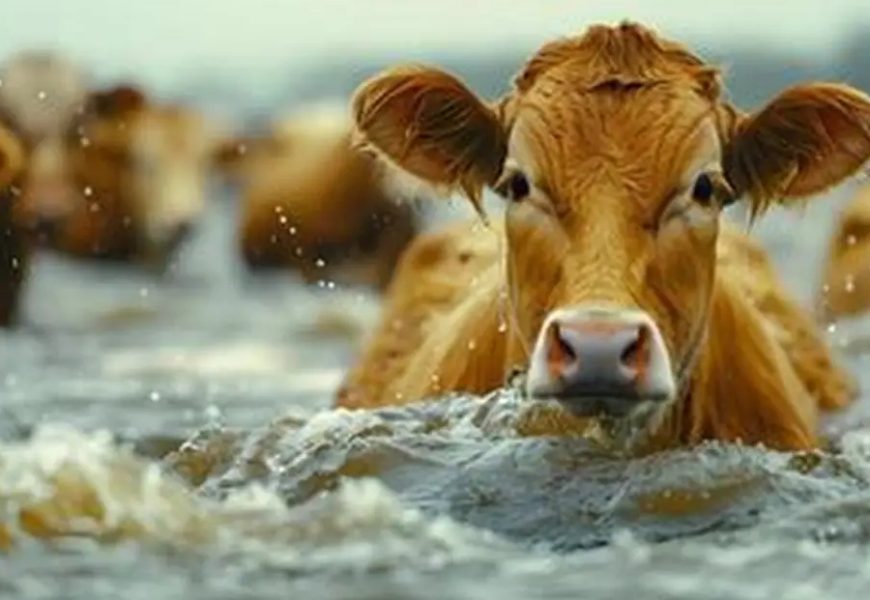
Floodwaters continue to devastate north-west Queensland, with more than 29,000 head of livestock now confirmed dead or missing and fears the toll could rise significantly as producers gain access to inundated properties.
Across sodden black soil country near Julia Creek, grazier Emily Stevens is still coming to terms with the scale of the loss at Cremona Station, where she has already counted around 1,500 dead cattle.
"I think the only word that can describe our feelings is absolutely heartbroken," Ms Stevens said.
"The water has taken so many of them - they're just missing out of their paddocks."
Between December 18 and January 7, 742 millimetres of rain fell on Cremona Station - more than 100 millimetres above the property's average annual rainfall. Much of the station remains inaccessible.
"We're still underwater. About 80 per cent of our country is either flooded or unreachable," she said.
"You can just smell the dead cattle."
While rainfall has eased in parts of western Queensland, producers warn the true cost of the disaster will not be known for weeks. Surviving cattle are now battling exhaustion and illness after nearly two weeks standing in mud and water.
Latest figures from the Department of Primary Industries show 29,240 head of livestock dead or missing, but industry analyst Simon Quilty believes the final figure could approach 50,000 head.
"The real impact often comes after the floods," Mr Quilty said.
"This is a breeding region, and calves and cows are particularly vulnerable to hypothermia and disease."
The disaster has revived painful memories of the 2019 floods, which killed more than 600,000 head of cattle across outback Queensland. Ms Stevens said while the current event was not on the same scale, it remained deeply confronting.
"It's not over yet - cattle are still dying," she said.
"People thought 2019 was a once-in-a-hundred-year event, and here we are less than seven years later."
At Caiwarra Station, north-west of Julia Creek, grazier Jaye Hall is spending her days shifting cattle to higher ground, feeding hay and nursing flood-affected weaners suffering from black soil bacteria.
"All their skin is falling off, their joints are sore - they're in full TLC mode," Ms Hall said.
Large flooded channels remain across the 45,000-hectare property, making it too early to calculate losses.
"We've found cattle in trees, we've lost a lot of calves and definitely some cows," she said.
"You allow yourself one sad day - then you get up and do what you've got to do."
Cyclone threat looms
As floodwaters slowly recede, producers are anxiously watching forecasts from the Bureau of Meteorology, which has flagged a moderate chance of a tropical low forming in the Coral Sea. Any further rainfall could worsen conditions across the already saturated Gulf country.
Richmond grazier Cody Rogers, who has been coordinating emergency fodder drops, said another rain system would place immense strain on surviving stock.
"They've already used all their energy to get through this," he said.
"We don't need any more rain right now."
Mr Rogers said it was still too early to assess losses at his family's Wyangarie Station but warned the wet season was far from over.
"It's so early in the season - it could go on for months yet," he said.
"I think we've had enough for a minute."
More Top Stories