°C
°C
 3
Min
3
Min
Steve Smith Delivers a Familiar Masterclass as Sydney Finally Gets Its Smudge Day This summer has carried an air of unease - strange rhythms, unfamiliar moments and a sense that things weren't quite aligning. The antidote, as it so often is, arrived in the most unmistakable form. Steve Smith. If Sydney was forced to wait for a proper Smudge Day, it was worth it.
Steve Smith's 129 Not Out Exposes England's Summer-Long Decline
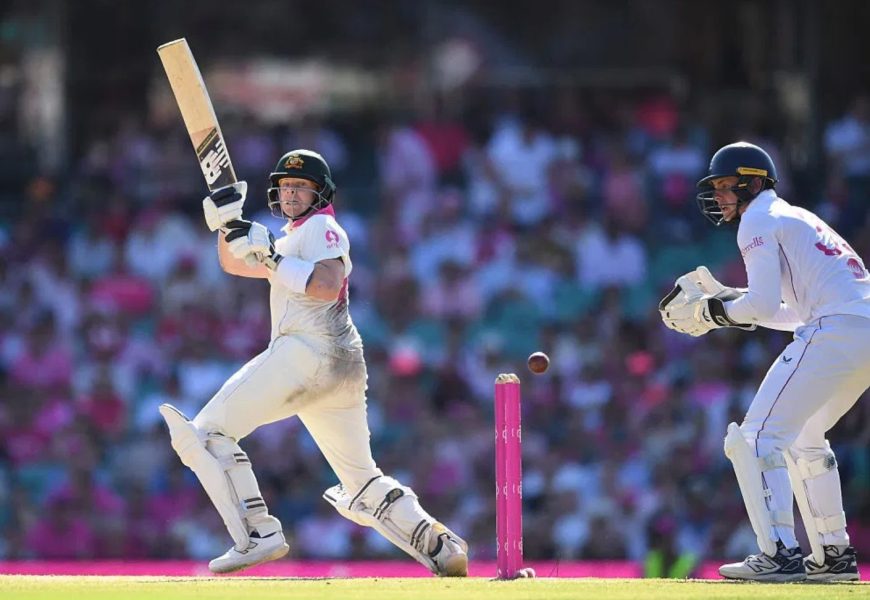
Steve Smith Delivers a Familiar Masterclass as Sydney Finally Gets Its Smudge Day
This summer has carried an air of unease - strange rhythms, unfamiliar moments and a sense that things weren't quite aligning. The antidote, as it so often is, arrived in the most unmistakable form.
Steve Smith.
If Sydney was forced to wait until the final stretch of the series for a proper Smudge Day, it was always going to be worth it. The signs were there well before play began: a flat pitch, an underpowered bowling attack, Smith's favourite ground and all the time in the world. By the end of day two, the forecast was unanimous - tomorrow belonged to him.
And so it did.
Smith scratched, shuffled, twitched and talked his way through a wonderfully idiosyncratic innings. He spoke to himself, the umpires, the ball, his bat - and seemingly to anyone within earshot. He fell over, briefly rolled an ankle while strolling, then somehow managed to cut a ball for four and request new gloves before it had even bounced.
Above all, he batted - not with the surgical brilliance of his peak years, but with the full expression of what the modern Steve Smith still offers: control, manipulation and relentless problem-solving.
The opening half hour was nervy, broken only by a sublime back-foot punch through point. By the time he reached 50 with a flawless on-drive - the shot of the day - Smith had settled. He never overpowered England in the manner Travis Head had earlier, but few ever do. Instead, he bent the attack to his will, nudging, prodding and reshaping it until the job was done.
After Smith reached his century, England resorted to short-pitched bowling. It barely mattered. Smith continued scoring freely, even taking the time to adjudicate his own wides.
Head, meanwhile, had already delivered another exhilarating session. While Mitchell Starc may have the player-of-the-series award wrapped up, few have influenced this summer more profoundly than Head. His Ashes performance now sits among the finest ever by an Australian opener - an outcome scarcely imaginable two months ago.
Matthew Potts bore the brunt of it, targeted relentlessly until his role became little more than damage control. For England, the opening session felt like end-of-term resignation.
Will Jacks' dropped catch on the square-leg boundary - reprieving Head - summed up the decay. Earlier drops in Brisbane hinted at decline; this one confirmed it. Such errors don't occur in isolation - they are symptoms of a team running out of belief.
For long stretches, England remained technically in the contest. But it never felt that way. Reviews were squandered, bowling plans fell apart and captain Ben Stokes reacted in disbelief as nothing went his way. It was sloppy, listless cricket, and Australia made them pay.
Even as wickets fell cheaply - Head missing a sweep, Khawaja falling to a full toss, Carey walking into yet another leg-side trap - Australia's depth loomed ominously. With Beau Webster batting at nine and Mitchell Starc at ten, England knew the road only grew steeper.
That relentlessness has defined Australia all summer. It has worn England down physically and mentally, leaving questions over leadership, personnel and direction. Sydney bore witness to a beaten side - even while the match remained alive - and even a narrow series scoreline could never tell the full story of a tour that slowly but unmistakably unravelled.
More Top Stories