°C
°C
 2
Min
2
Min
The Australian dollar is again at a pivotal point, with its future direction increasingly tied to interest rates, commodity markets and global geopolitical developments. After peaking at 109 US cents in July 2011, the local currency has trended steadily lower for more than a decade. It briefly rebounded during COVID, nearing 80 US cents in February 2021.
Australian Dollar at Crossroads as Rates, Commodities and Geopolitics Take Centre Stage
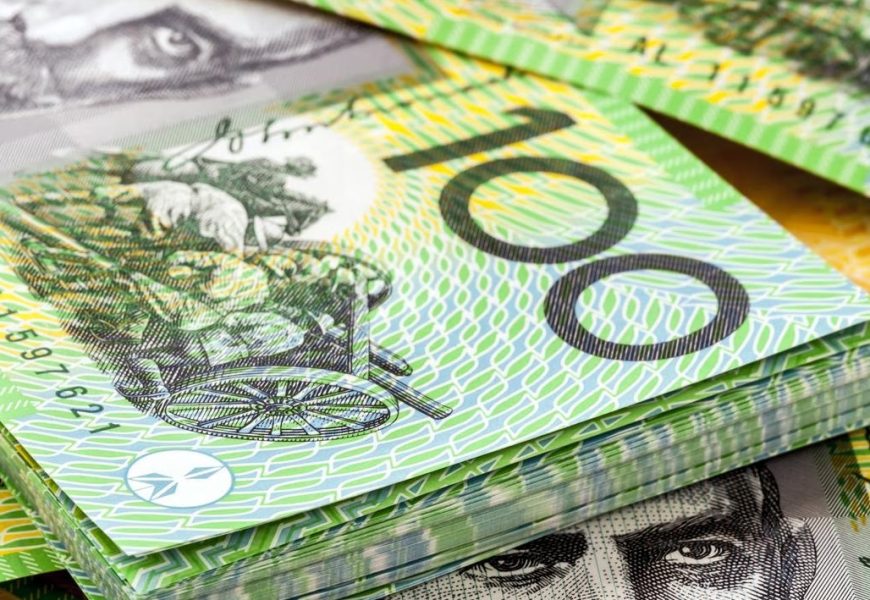
The Australian dollar is again at a pivotal point, with its future direction increasingly tied to interest rates, commodity markets and global geopolitical developments.
After peaking at 109 US cents in July 2011, the local currency has trended steadily lower for more than a decade. It briefly rebounded during the depths of the COVID-19 crisis, nearing 80 US cents in February 2021, but has since lost ground once more.
Five years on, the dollar is trading at about 70 US cents - roughly 12 per cent below its pandemic-era high. While the decline has helped exporters by making Australian goods more competitive overseas, it has also driven up the cost of imports and overseas travel.
Recent geopolitical tensions have added further uncertainty, leaving the currency at a crossroads and raising questions about who stands to benefit - and who may lose - as conditions evolve.
The Australian dollar, often referred to by traders as the "Aussie", is influenced by several key forces. These include the interest rate gap between Australia and the United States, movements in commodity prices, global risk sentiment and geopolitical stability. When measured against the US dollar, the strength of the greenback itself also plays a decisive role.
Despite its longer-term decline, the currency found renewed support in 2025, rising by around 8 per cent over the year. On a trade-weighted basis, it climbed from a low of 58.8 in April to 62.3 by December, buoyed by firmer commodity prices and a weaker US dollar.
The retreat in the greenback has been a major driver of the Australian dollar's recent recovery. The US dollar index fell sharply from about 110 in January to near 96 by July, easing pressure on other currencies.
However, analysts caution that further gains for the Australian dollar will require more than continued US dollar weakness. A sustained rally, they say, would likely depend on a significant fall in US interest rates combined with higher rates in Australia - a scenario that could push the currency decisively above the 70-US-cent mark.
More Top Stories