°C
°C
 3
Min
3
Min
Australia's peak Jewish body has joined growing calls to split the federal government's proposed hate crime legislation, warning that its broad scope could jeopardise its passage through parliament. The federal government is facing mounting pressure to separate hate speech reforms from gun control and migration measures ahead of parliament's early recall next week.
Pressure mounts to separate hate speech laws from firearms reforms

Australia's peak Jewish body has joined growing calls to split the federal government's proposed hate crime legislation, warning that its broad scope could jeopardise its passage through parliament.
The federal government is facing mounting pressure to separate hate speech reforms from gun control and migration measures ahead of parliament's early recall next week, as it seeks to pass new laws responding to the Bondi attack.
On Tuesday, Labor released draft legislation for the Combatting Antisemitism, Hate and Extremism Bill, which proposes new criminal offences, tougher penalties for hate crimes and expanded security checks for firearm licence holders.
While the government has framed the bill as a comprehensive response to antisemitism and extremism, the Executive Council of Australian Jewry has echoed Opposition concerns that the legislation attempts to address too many issues at once.
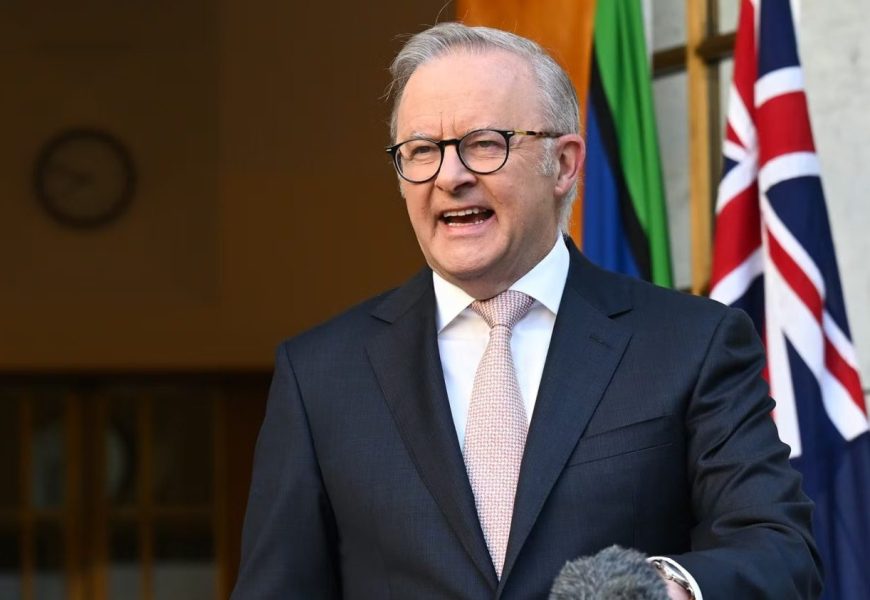
Prime Minister Anthony Albanese defended the unified approach, arguing the measures were interconnected.
"The terrorists at Bondi Beach had hatred in their minds, but guns in their hands, and this bill will get rid of both of these issues," he told reporters.
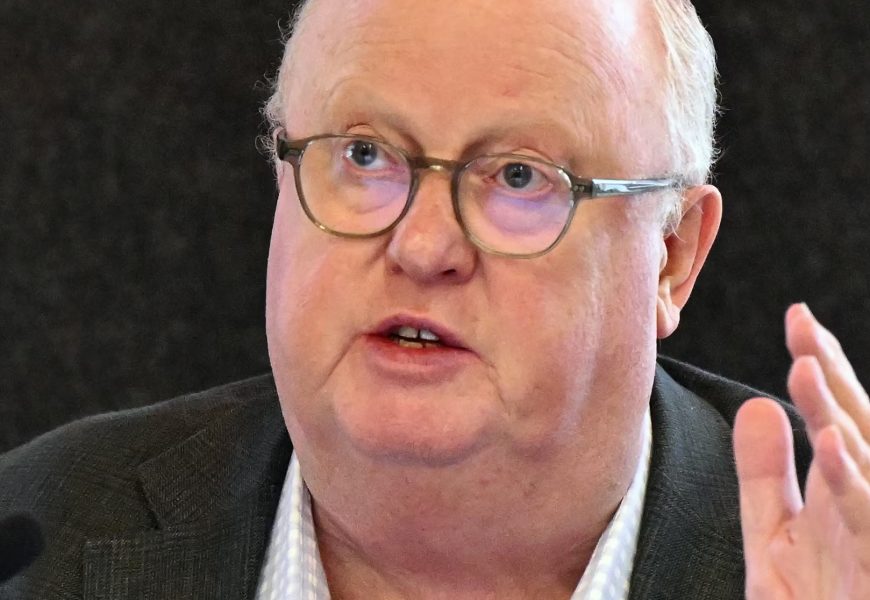
However, Executive Council co-chief executive Peter Wertheim said combining the reforms risked undermining the bill's prospects.
"I think it would have been wiser to split them up," Mr Wertheim said, adding that while the issues were linked in principle, they addressed "fundamentally different subjects" in practice.
Mr Wertheim nonetheless welcomed several elements of the proposal, including a framework to criminalise hate groups and the creation of a new serious vilification offence, which would carry penalties of up to five years' imprisonment for inciting racial hatred.
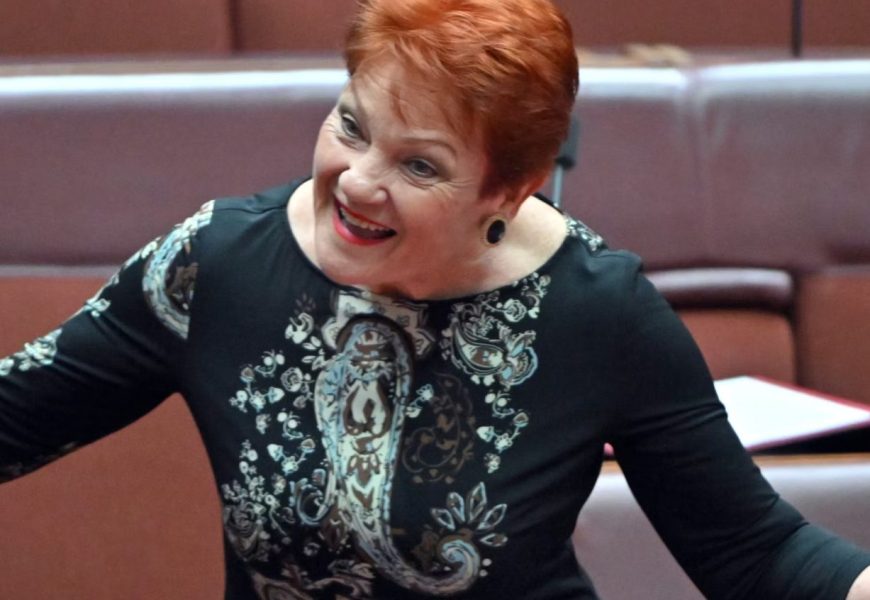
The bill has also drawn criticism from Coalition figures, including Nationals senator Bridget McKenzie, who argued the firearm measures unfairly targeted lawful gun owners.
"This was an attack on the Australian Jewish community by Islamic terrorists," Senator McKenzie said, referring to the self-proclaimed Islamic State group.
"Taking guns off law-abiding citizens is not the appropriate response."
The government has already faced criticism over its response to the Bondi attack, including community backlash over delays in establishing a royal commission into antisemitism. It is now under renewed scrutiny over the compressed consultation timeline for the hate crime reforms.
The Parliamentary Joint Committee on Intelligence and Security has less than a week to examine the legislation, with the usually closed committee holding public hearings due to the urgency of the bill.
The Australian Federation of Islamic Councils has also raised concerns, criticising the 72-hour consultation period and warning the legislation could have wide-ranging consequences for Muslim communities.
In a statement, AFIC cited a lack of clarity around new criminal penalties, the risk of overreach, and the absence of religion as a protected category under proposed vilification offences.
"If the legislation is truly intended to address hate in all its forms, then the communities most likely to be impacted must be at the table-not as an afterthought, but as genuine partners in shaping the response," the organisation said.
More Top Stories