°C
°C
 3
Min
3
Min
The man accused of carrying out one of Australia's deadliest terror attacks has appeared in court for the first time since his arrest, as a Sydney magistrate extended suppression orders protecting survivors of the December shooting at Bondi Beach. Naveed Akram, 24, appeared via video link from custody before the Downing Centre Local Court on Monday morning.
Accused Bondi Beach terror gunman appears in court for first time as suppression orders extended
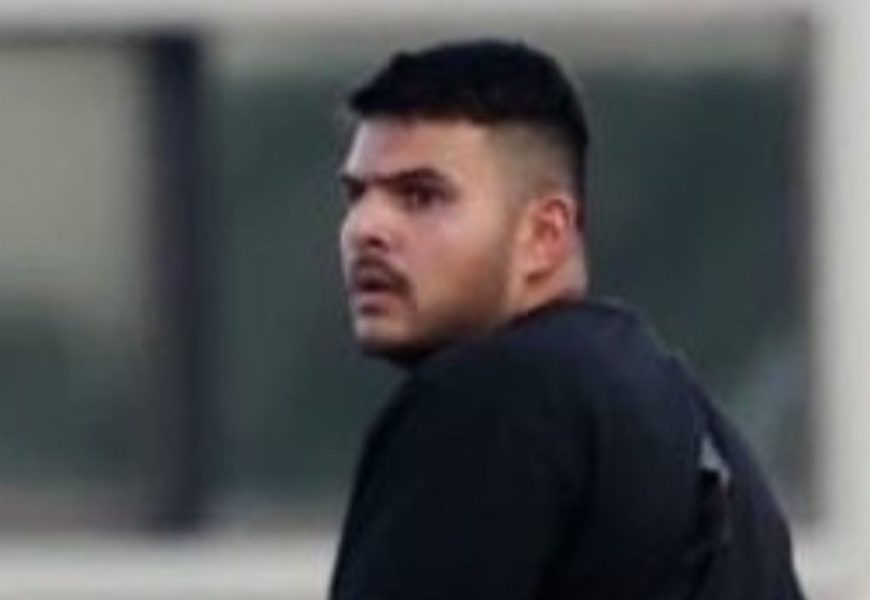
The man accused of carrying out one of Australia's deadliest terror attacks has appeared in court for the first time since his arrest, as a Sydney magistrate extended suppression orders protecting survivors of the December shooting at Bondi Beach.
Naveed Akram, 24, appeared via video link from custody before the Downing Centre Local Court on Monday morning, facing a total of 59 charges, including 15 counts of murder and one count of committing a terrorist act. It was the first occasion on which Akram was seen on screen and spoke publicly since being taken into custody following the December 14 attack.
Akram's brief court appearance centred on the continuation of suppression orders first imposed shortly before Christmas. Those orders prevent the identification of dozens of survivors and witnesses, while allowing individuals to self-identify should they wish to share their experiences publicly.
Presiding Deputy Chief Magistrate Sharon Freund asked Akram whether he understood the discussion regarding the suppression orders. Wearing a green prison-issued jumper and sitting with his hands resting in his lap, Akram replied simply, "Yeah." He spoke only a handful of words during the otherwise procedural hearing.
The charges arise from a mass shooting that unfolded during a Jewish community event, Chanukah by the Sea, at Archer Park, near Bondi Beach. Police allege that Akram and his father, Sajid Akram, opened fire on the gathering, killing 15 people and injuring dozens more. Sajid Akram was shot dead by police during the incident.
Court documents allege the attack involved the use of multiple firearms and improvised explosive devices. According to the police statement of alleged facts, the accused and his father had conducted firearms training in regional New South Wales in the months leading up to the attack. Prosecutors say videos recovered by investigators show the pair firing shotguns and moving tactically, as well as footage allegedly depicting them seated in front of an Islamic State flag with long-arm weapons.
Police further allege that, shortly before the shooting, the men threw several improvised explosive devices into the crowd at Archer Park, though none detonated. Investigators have said preliminary analysis suggested the devices were viable.
Outside court, Akram's lawyer, Ben Archbold, told reporters it was far too early to indicate how his client would plead, noting that the defence had not yet received the full brief of evidence.
"All we've done is start the process," Mr Archbold said. "We're waiting for the brief to be served. There's nothing more I can say."
He confirmed that Akram is being held at the Goulburn supermax prison and described the conditions as "very onerous," adding that his client was doing "as well as can be expected" under the circumstances. Mr Archbold said he had visited Akram in person at the high-security facility.
Asked about his client's demeanour, Mr Archbold emphasised the professional obligations of legal representation. "He's just a client, and he's a client that needs to be represented. We don't let our personal views get in the way of our professional obligations," he said.
The suppression orders continued by the court are designed to protect the privacy and safety of survivors, many of whom sustained physical or psychological injuries in the attack. The orders include a carve-out allowing victim-survivors to come forward publicly if they choose, a provision that has already enabled several individuals to share their stories.
The matter is scheduled to return to court in April, when further procedural steps are expected as the case progresses through the early stages of the criminal justice process.
More Top Stories