°C
°C
 4
Min
4
Min
MILAN (AP) – The Milan Olympic Village was coming alive on Sunday as athletes laden with gear rolled into a brand-new complex where they will sleep, eat meals, work out and mix with other competitors for the next three weeks.
Athletes bring Milan Olympic Village to life, complete with Italian bidets and 4-story US banners

MILAN (AP) - The Milan Olympic Village was coming alive on Sunday as athletes laden with gear rolled into a brand-new complex where they will sleep, eat meals, work out and mix with other competitors for the next three weeks.
Members of Team Canada were doing security with their suitcases from Canada's own lululemon, and Team France, decked out in Le Coq Sportif uniforms, received a pep talk before ascending to their 6th-floor rooms. Dutch speedskater Jutta Leerdam filmed a TikTok in front of the Olympic rings inside the village.
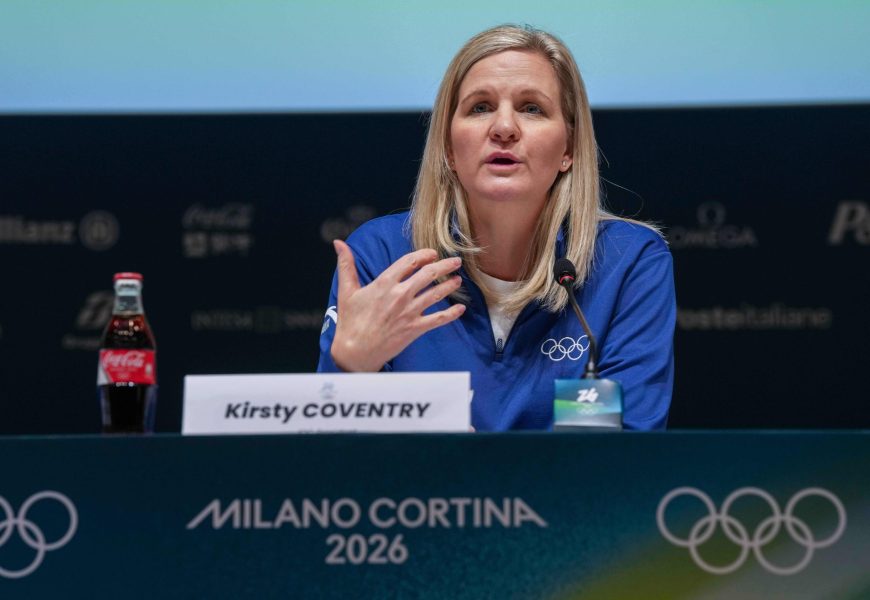
The Milan village, which will house 1,500 athletes and team members during the Feb. 6-22 Winter Games, will be officially inaugurated Monday by International Olympic Committee President Kirsty Coventry. But it has been buzzing to life for days as athletes have moved in.
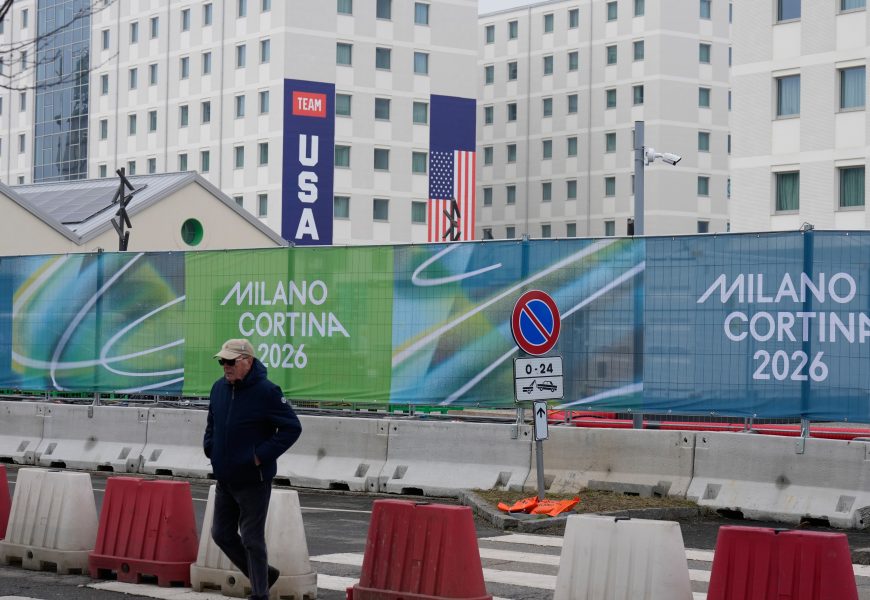
Teams have decked out their room windows with national flags and symbols: Germany, Switzerland, Great Britain, Japan, South Korea, the Netherlands, among others, are already making their presence known. China added a friendly panda, while Team USA hung a pair of four-story-tall banners featuring the Stars and Stripes.
Athletes eat in a cavernous dining center run by Italian caterers offering a range of healthy, local choices. Lunch on Sunday featured chicken, pork and turkey and a variety of fish, including two kinds of salmon and hake. Italian specialties like pasta could be dressed in red sauce or meat ragu. Pizza and focaccia were also on offer, as well as gluten-free options. Salad bars included legumes and nuts.
The athletes' rooms were practical and equipped with the essentials. A single bed fit atop storage cubbies for suitcases and gear, while a stand-alone closet was stocked with a drying rack, pack of hangers, a laundry bag, a dry mop and extension cord. In the era of electronics, the room itself was outfitted with another four outlets - one next to the bed included two USB ports.
The only design accent in the sample room on Sunday's tour were a sage green bedside table, bathroom shelf and coat hook to match the painted concrete floor. One team was later seen bringing in mattress toppers from IKEA, while the Japanese team added futons.
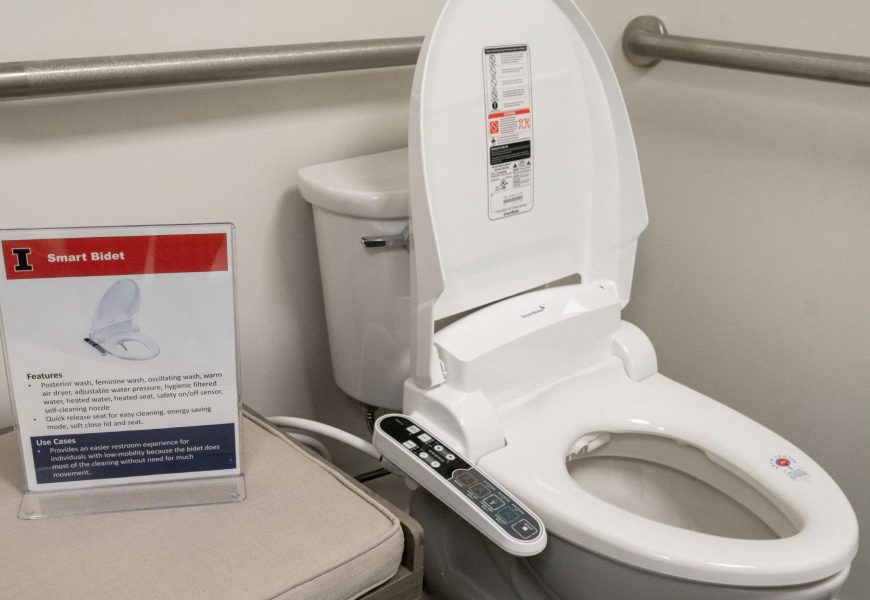
A full-length mirror hung outside of the bathroom, which featured the usual shower (reported to have good water pressure), toilet and sink - plus the very Italian bidet, or low porcelain sink that complements toilet paper with a clean rinse. The fixture is de rigueur in Italian residences but often perplexes visitors - including some athletes whose room videos have done double-takes.
On the floor for Team France, diagrams next to the elevator instructed athletes on which uniforms to wear alternatively for the opening ceremony, news conferences, the medal podium, the closing ceremony and finally, the trip home. The ceremonial side of the Olympic journey, in five diagrams.
IOC partners have filled the village with activities for the athletes.
Technogym has outfitted a gym with its latest equipment, including a Pilates machine. Powerade is backing a mind center where athletes can meditate, do yoga or just talk to the trained volunteers; Coca-Cola has stacked a recreational area with foosball, air hockey, and a photo booth as well as TV sets. A pair of Czech Republic athletes took advantage of the cosmetic brand Kiko's free 10-minute makeup sessions.
When athletes arrive, they receive a free folding Samsung Galaxy Z Flip7 special edition phone only for competitors, decorated with the Olympic laurels.
Artificial intelligence is also entering one of the Olympics favorite spaces: pin trading. Athletes can trade pins by putting one of their own into a plastic ball, and then use AI powered by Chinese multinational Alibaba to instruct a robotic arm to randomly pick a new pin.
The village, across from the Fondazione Prada exhibition complex and in an area attracting other luxury brand headquarters, will be an Olympic legacy to the city. After the Olympic and Paralympic Games, it will be turned into subsidized student dormitories, including communal kitchens, sorely needed in a city with six universities and squeezed for affordable housing.
With the Milan Cortina Games the most spread-out in history, Olympic officials also had to create space for athletes at five other venues.
A temporary village has been built to house 1,100 athletes and officials in Cortina, while hotels and alpine lodges have been adapted in Anterselva and Bormio, each housing 400 participants, and nearly 1,000 in Livigno. In Predazzo, more than 900 will be housed in a school for Italy's financial police that has been renovated for the Olympics and Paralympics. It will be returned to the police when the competitions are over, complete with two new pavilions.