°C
°C
 5
Min
5
Min
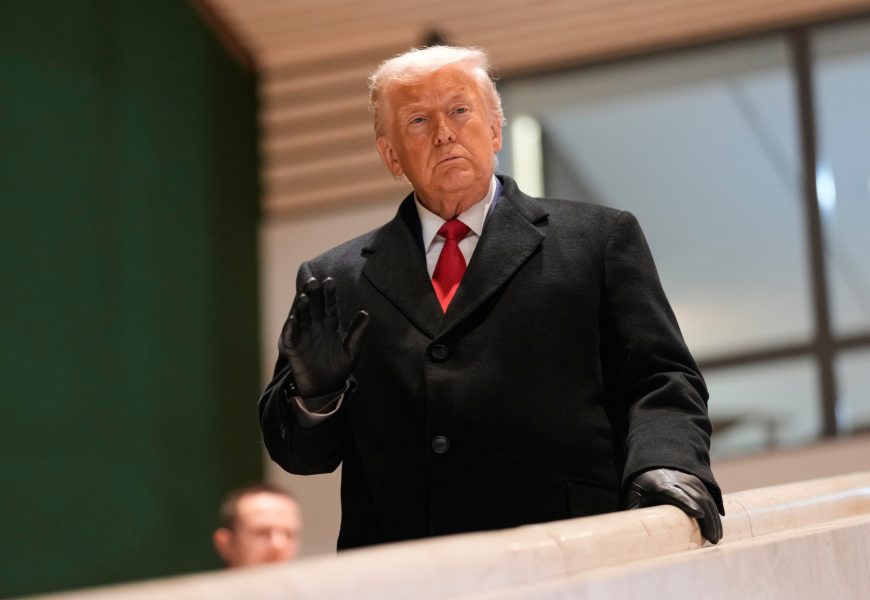
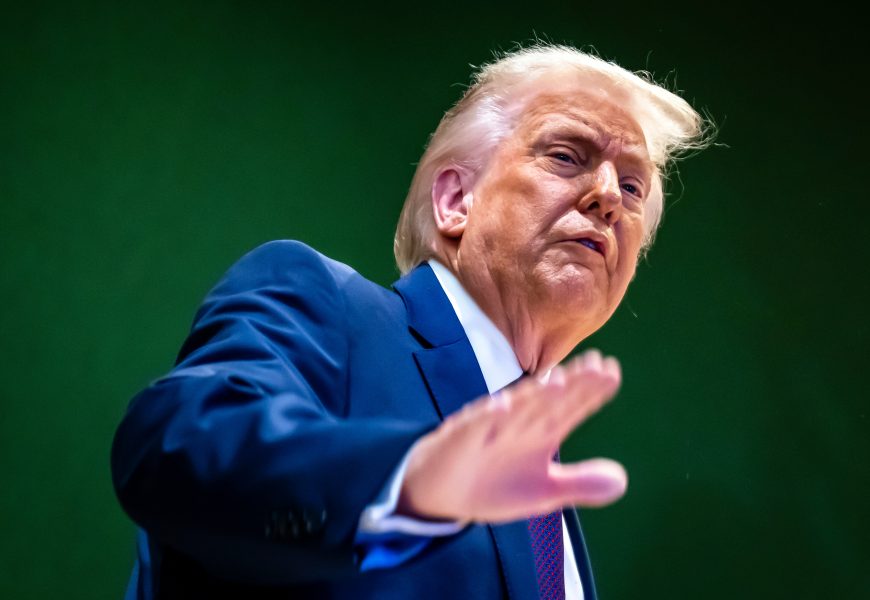
Some of Donald Trump’s handpicked appointees who have a say in his White House ballroom project asked questions Thursday about its “immense” design and scale, even as they broadly endorsed the president’s vision for a massive expansion.
Trump appointees ask about White House ballroom’s design and scale – and want to see models
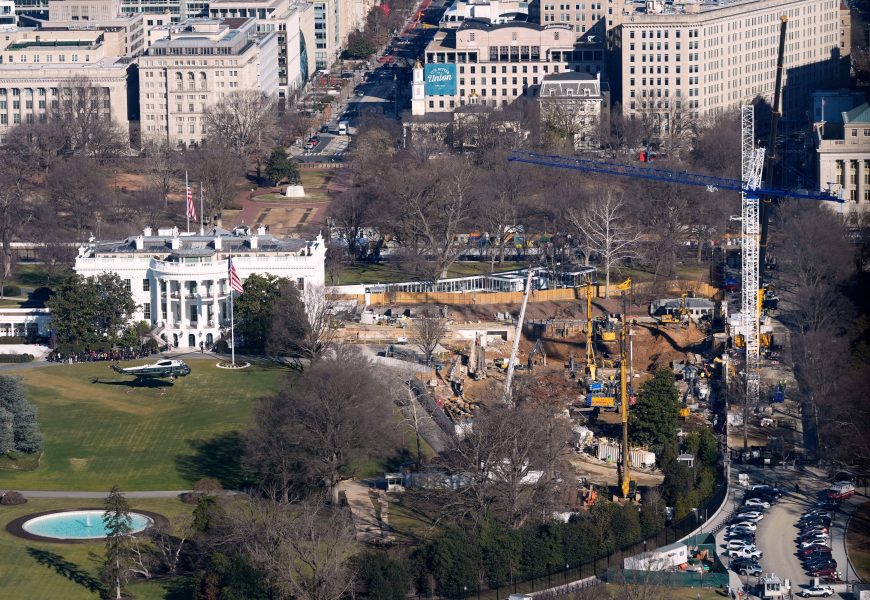
Some of Donald Trump's handpicked appointees who have a say in his White House ballroom project asked questions Thursday about its "immense" design and scale, even as they broadly endorsed the president's vision for a massive expansion.
The Commission on Fine Arts discussion, which also included a brief review of mostly negative public comments on Trump's plans, revealed no immediate threat to Trump's overall idea, which historic preservationists are separately asking a federal court to slow down. But it demonstrated the sensitivity and political controversy involved since the president approved the demolition of the East Wing after unveiling designs that would more than double the square footage the White House as it was before.
"This is an important thing to the president. It's an important thing to the nation," said the new Fine Arts chairman, Rodney Mims Cook Jr., in the panel's first public hearing on Trump's proposal.
"You can't have the United States of America entertaining people in tents," Cook said, noting that administrations long before Trump complained about having to host State Dinners and major events in temporary structures. The question, the chairman added, is "if we can do this in a way that this building remains" true to its fundamental character and still "take care of what the president wants us to do."
After lead architect Shalom Baranes presented renderings during Thursday's online meeting, commissioners asked him to return to a future, in-person session with 3D scale models of the White House complex with the proposed addition. Baranes said an in-person presentation, per commissioners' request, also would include include scale models of the U.S. Treasury Department building to the east of the presidential mansion and the Eisenhower Executive Office Building to the west.
Baranes and commissioners alike came into meeting aware of concerns about the project's scale and whether it can be incorporated well enough into the White House, even as Trump remains undeterred.
"President Trump is working 24/7 to Make America Great Again, including his historic beautification of the White House," said West Wing spokesman Davis Ingle.
The total addition would be almost 90,000 square feet, Baranes confirmed, with 22,000 of that the ballroom itself. The White House was about 55,000 square feet before the East Wing, first built in 1902 and expanded in the 1940s, was demolished.
Thomas Luebke, the commission's executive director, told the group that public comments received online ahead of the meeting were "almost all" negative "in some way," criticizing the process, the design or both.
Luebke read one comment that he described as "more positive" because it complimented the design and style shown in renderings. Yet even that commenter, Luebke said, wrote that "the scale appears oversized, making the main structure dominated." Nodding to the criticism, Baranes emphasized that current plans call for the addition's north boundary to be set back from the existing North Portico - essentially the front porch - and for the top of the new structure to be even with the primary facade of the White House and its residence.
Baranes, whose firm has worked on other federal buildings, said this is to ensure the view of the White House from Pennsylvania Avenue would not change fundamentally. A new east side colonnade connecting the main structure to the ballroom addition also would be two stories, rather than the single story that was demolished. This would add to the continuity of the new design, Baranes said.
He added that architects have contemplated a similar second story atop the West Wing to address concerns about symmetry. But he said during questioning that is merely a concept. There has been no structural analysis of the existing West Wing, he said, to determine if it could support another level.
Some commissioners said they appreciated Baranes' effort to address scale and symmetry on the north side of the White House, which front Pennsylvania Avenue. But they noted that still doesn't address how much the design might change the view from the South Lawn. Renderings show a 10-column, multistory porch on the south side of the addition that looks more like the Treasury Department edifice than any part of the White House.
"It's immense," Cook said to Baranes. "If the president just wants cover, do you think you might be able to tone down that element?"
The architect answered: "We looked at ways of covering it at different scales with different numbers of columns, and there's a president's desire to proceed with this one."
The meeting Thursday was part of a series of meetings and public hearings with the Fine Arts panel and the National Capital Planning Commission, both of which have roles in assessing and approving federal construction projects in Washington.
Historic preservationists have argued in federal court that Trump defied federal laws and regulations by razing the East Wing and beginning site preparations before consulting those panels and seeking congressional approval, as well. The plaintiffs and the administration are scheduled to be in a court later Thursday.
Trump's appointees now constitute a majority of the Fine Arts Commission. The new members elected Cook as chairman after the group was sworn in. One of Trump's appointees, James McCrery II, was involved in the initial ballroom plans and recused himself from the discussion and any future votes. Trump replaced McCrery with Baranes last year on the project, but McCrery's continued in a consulting role.
More Top Stories