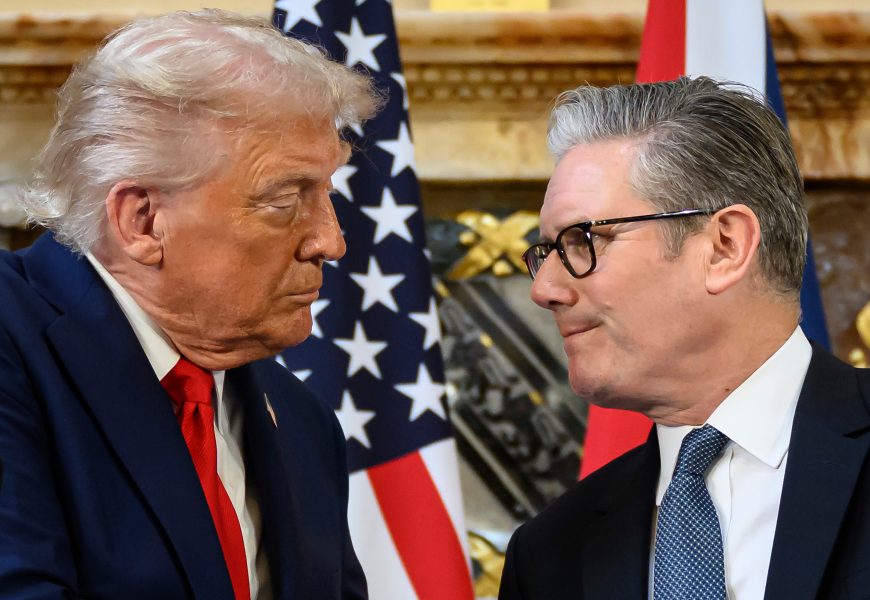
"He's really struggling to win Trump's approval, to give the impression he has that strong support, but it doesn't seem to be working," said Trita Parsi, executive vice president of the Quincy Institute, a Washington think tank and author of several books on Iran. Many of his goals also dovetail with the wishes of hard-line Israeli Prime Minister Benjamin Netanyahu, who has forged a close partnership with Trump.
"He's trying to get support from the U.S. government because he's not trying to do a revolution from below, but he's trying to get installed from above. That's a reflection of the lack of confidence and shows he has a real lack of a base of support," Parsi said.
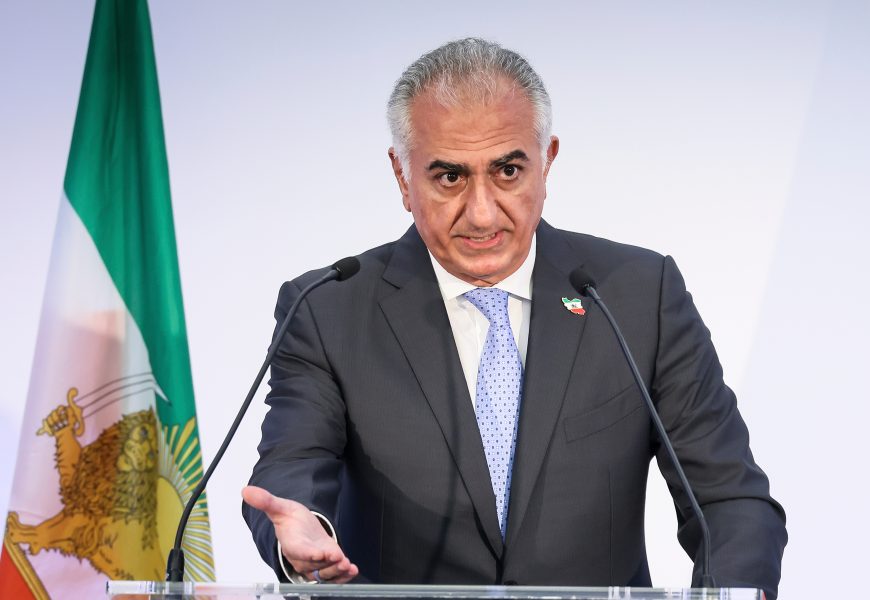
Pahlavi's father, Shah Mohammed Reza Pahlavi, was overthrown in the 1979 Islamic Revolution that ushered in the current Islamic Republic. Pahlavi urged protesters onto the streets last week as Iranian authorities shut down the internet and launched their crackdown.
"The fall of the Islamic Republic and the establishment of a secular, democratic government in Iran will not only restore dignity to my people, it will benefit the region and the world," Pahlavi posted in a video on X, laying out his plan. Pahlavi did not immediately respond to a request seeking further comment on his plans.
"He's trying to tick the boxes of everything that can correlate with Trump," said Danny Citrinowicz, who once headed research on Iran in one of the Israeli military's intelligence branches and is now a senior researcher with the Institute for National Security Studies, an Israeli defense think tank.


 °C
°C
 6
Min
6
Min