°C
°C
 6
Min
6
Min
MIAMI (AP) – Deeply ingrained in Raul Valdes-Fauli’s family lore is the November 1960 day when an agent of Fidel Castro’s revolution showed up at his family’s Pedroso Bank in Havana, with a machine gun, and demanded they leave.
Cuban exiles have renewed hope and fears over claims on property seized long ago
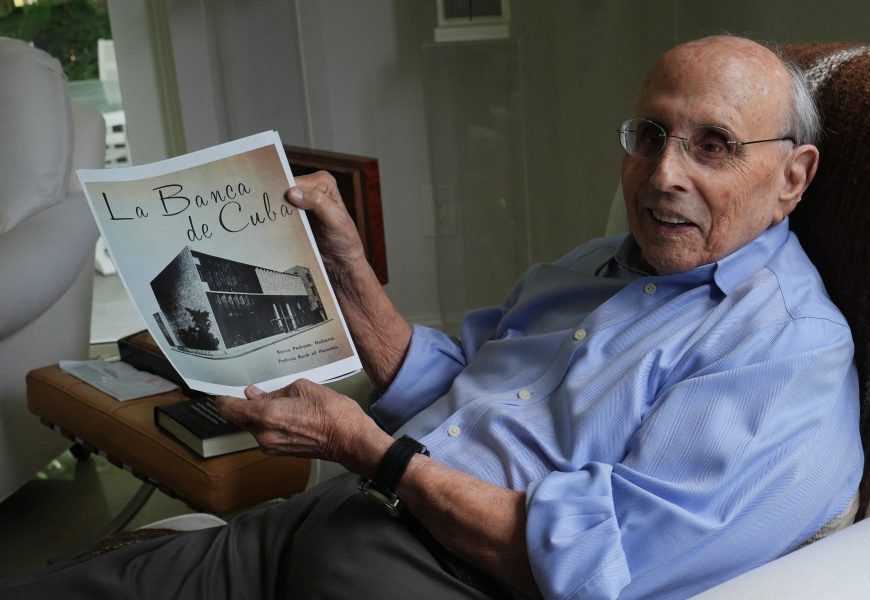

MIAMI (AP) - Deeply ingrained in Raul Valdes-Fauli's family lore is the November 1960 day when an agent of Fidel Castro's revolution showed up at his family's Pedroso Bank in Havana, with a machine gun, and demanded they leave.
Calling his father and uncle gusanos - or worms, a Spanish-language term coined by Castro to denigrate those fleeing the island - the agent seized the bank and in an instant dispossessed a family that arrived from Spain in the 16th century.
"They told them this was now the people's bank," said Valdes-Fauli, an attorney and former mayor of the Miami suburb of Coral Gables. "They couldn't even take family pictures off the walls of their office."
Seven decades later such traumatic episodes are resurfacing with urgency, as President Donald Trump's threats of military intervention, backed by a naval blockade of fuel shipments that has brought the island's already-anemic economy to its knees, have spawned negotiations between Washington and Havana. Many Cuban Americans are convinced that 2026 could - finally - be the year of regime change on the communist-run island.
But that cautious optimism among exiles is tempered by concern they could be cut out. Their nightmare scenario: a repeat of what happened recently in Venezuela, where Trump ousted Nicolás Maduro only to join forces with his former allies in a partnership where demands for democracy are taking a back seat to oil industry dealmaking.
"I hope that he doesn't do what he did in Venezuela, which is keep the thieves in power," said Valdes-Fauli, who married a Venezuelan.
An emotional element of the talks, and one of the toughest to resolve, is the potential for hundreds of thousands of legal claims by Cuban Americans whose homes, businesses and land were seized after Castro took power in 1959.
Nick Gutiérrez's home is full of fading land titles, black-and-white photographs and obscure books including one torn-apart tome - "The Owners of Cuba, 1958" - that describes the 550 biggest fortunes taken over by the revolution.
As president of the National Association of Cuban Landowners in Exile, Gutiérrez advises Cuban exile families on how to seek compensation for the forced collectivism. For decades that was a lonely mission relegated to the legal fringes, because there was never any hope of getting Cuba to pay.
"A lot of it just fell on deaf ears," Gutiérrez said.
But with rising speculation about possible regime change, real interest in the issue has exploded among those who previously saw costly litigation as a fool's errand, as well as younger Cuban American entrepreneurs eager to help rebuild a country they barely know but whose heritage they proudly carry.
"Now we're talking about the existential issue of whether the Cuban dictatorship will survive until next month," said Gutiérrez, whose parents fled the island two years before he was born.
Untangling property claims in Cuba is akin to battling a multiheaded hydra, said Robert Muse, a Washington attorney who specializes in U.S. laws relating to Cuba.
In the hierarchy of property losses, those with the strongest standing under U.S. law are the 5,913 claims certified by the Justice Department in 1972 for $1.9 billion. They include corporations like ExxonMobil and Marriott International whose assets were seized as part of Castro's nationalization drive of everything from oil refineries and the telephone system to hair salons and shoeshine stands.
Under U.S. law those claims - worth $10 billion today - must be resolved for a full restoration of economic and diplomatic relations. In practice, however, the executive branch is authorized to assume control of private losses for a lump-sum payment and fold the dispute into any settlement with Havana.
In a break from the past, Cuba has signaled a willingness to discuss the claims - as part of a broader conversation over its demand for compensation for damages wrought by the U.S. trade embargo, enacted in 1962.
A thornier issue is Title III of the 1996 Helms-Burton Act. The law allows exiles to sue any company deemed to be "trafficking" in property confiscated by Cuba.
All past U.S. presidents suspended Title III because of objections from U.S. allies doing business in Cuba. Similarly, many exiles viewed the legislation as an empty threat because of the remote prospect of ever collecting from a bankrupt government.
But Trump lifted the suspension in 2019, and about 50 lawsuits have since been filed. The floodgates to more claims could open soon depending on two cases argued before the U.S. Supreme Court this year.
One of the cases, brought by Exxon, seeks $1 billion from Cuban state-owned entities. The other was filed by the Delaware-based company, Havana Docks, against four cruise liners that paid Cuba's government to disembark nearly 1 million tourists at a port it once operated after President Barack Obama reestablished diplomatic relations.
Muse likened the legal risks of doing business in Cuba to a "stalactite" formed over several decades, deterring investment and political compromise.
"You can't have a restitution remedy for hundreds of thousands of claimants," Muse said. "It's unworkable."
However if Havana's stated aim to attract foreign capital is sincere, it has incentives to cut deals with Cuban Americans willing to invest in the country, Gutiérrez said. A model for that would be the former Communist states in Eastern Europe that compensated for property seizures at the conclusion of the Cold War, helping their economies surge ahead.
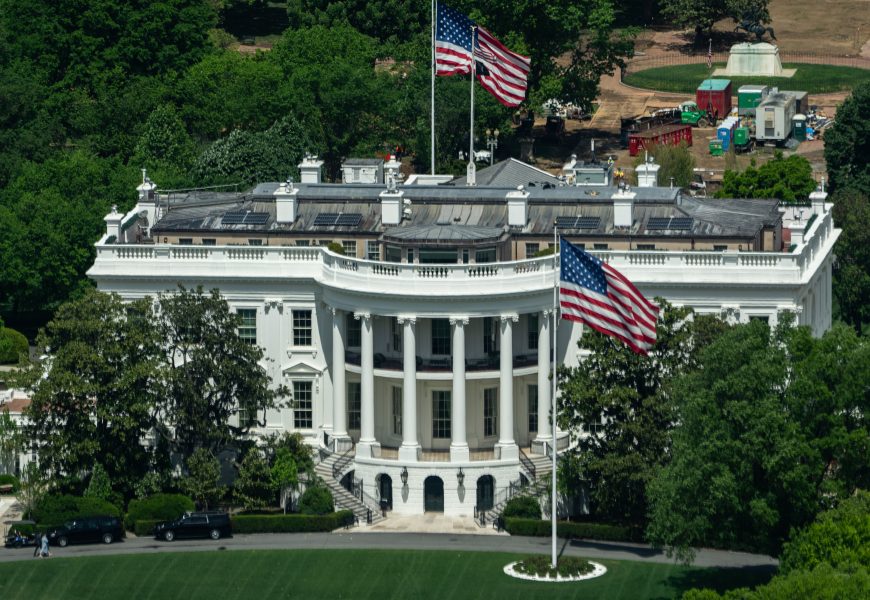
Trump, Muse said, may have the right mix of business sense, impatience with convention and political freedom as a second-term president to work through the complex mess. A signal that he is unlikely to be bogged down by legal haggling, Muse added, was when he hosted oil executives at the White House following Maduro's ouster and told them they would have to write off any unpaid claims from asset seizures in Venezuela.
Gutiérrez worries that Trump's eagerness for a trophy that has evaded 12 Democratic and Republican presidents could get the better of him. But he is reassured by the president's longstanding friendship with Cuban Americans who are among his most ardent supporters.
"Trump doesn't have moral qualms of doing business with bad guys," Gutiérrez said. "But he knows how important this is to us, and that gives us some comfort he won't sell us out."