°C
 3
Min
Russia has been accused of deceiving and coercing foreign nationals into joining its armed forces and sending them to fight in Ukraine, with Amnesty International describing some cases as human trafficking. The human rights organisation said nationals from other countries had been lured to Russia with promises of well-paid civilian or non-combat employment.
Amnesty accuses Russia of trafficking foreigners into Ukraine war
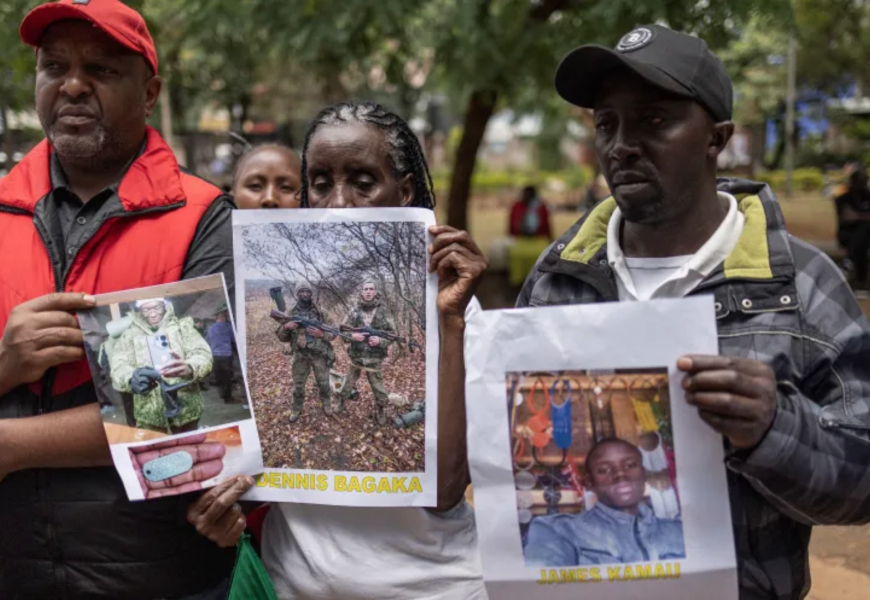
Russia has been accused of deceiving and coercing foreign nationals into joining its armed forces and sending them to fight in Ukraine, with Amnesty International describing some cases as human trafficking.
In a report released on Thursday, the human rights organisation said nationals from countries including Brazil, Colombia, Sri Lanka and South Africa had been lured to Russia with promises of well-paid civilian or non-combat employment.
Instead, some were allegedly forced or pressured into military service after arriving in the country.
Amnesty also said Russian authorities and recruiters had targeted migrants and refugees already living in Russia, exploiting their economic vulnerability to encourage or coerce them into joining the military.
"Amnesty's research demonstrates how Russia's Armed Forces are bolstering their ranks with economically vulnerable foreign nationals," Amnesty International Secretary General Agnes Callamard said.
She said the level of deception, exploitation and coercion identified in the organisation's research meant that, in a number of cases, the recruitment appeared to meet the definition of human trafficking under the United Nations Palermo Protocol.
Deceived by job offers
Amnesty said its findings were based on interviews conducted between 2024 and 2026 with prisoners of war held at two Ukrainian camps.
The organisation also interviewed foreign nationals serving with Russian forces, their relatives, lawyers, human rights activists and journalists.
According to the report, recruiters used local agents and online job advertisements to attract people from overseas, sometimes offering civilian positions that did not exist.
In one case, a South African man who had applied online for a driving position in Poland was instructed to travel to Moscow to collect a truck and drive it to Poland.
After arriving in Russia, however, his circumstances allegedly changed.
His wife told Amnesty that his belongings were taken from him and he was informed that he would not be travelling to Poland and would instead become a soldier.
Other recruits reportedly received promises of substantial salaries and signing bonuses that were either reduced or never paid.
Amnesty said interviewees described severe restrictions on their freedom of movement after they signed military contracts.
Some recruits from Brazil and Sri Lanka said their passports and mobile phones were confiscated during training before they were sent towards the front line.
Foreign fighters on both sides
Thousands of foreign nationals have joined both Russian and Ukrainian forces since Russia launched its full-scale invasion of Ukraine.
Amnesty said it was unable to independently investigate the recruitment of foreign nationals into Ukraine's armed forces because it does not have access to prisoners of war held by Russia. Moscow has previously designated Amnesty International as a "foreign agent".
Estimates cited in the report suggest about 28,000 foreign nationals from 136 countries could be serving with Russian forces.
Russia has also received military support from North Korea, with officials estimating that about 14,000 North Korean troops were deployed to assist Russian forces during Ukraine's 2024 incursion into the Kursk region.
Ukraine, meanwhile, says about 16,000 foreign nationals from more than 70 countries are serving in its armed forces, with almost 40 per cent reportedly coming from Latin America.
Russia has previously rejected allegations that foreign nationals are being coerced into military service.
Amnesty's findings add to growing international scrutiny of Russia's methods of military recruitment as the war in Ukraine continues.
More Top Stories