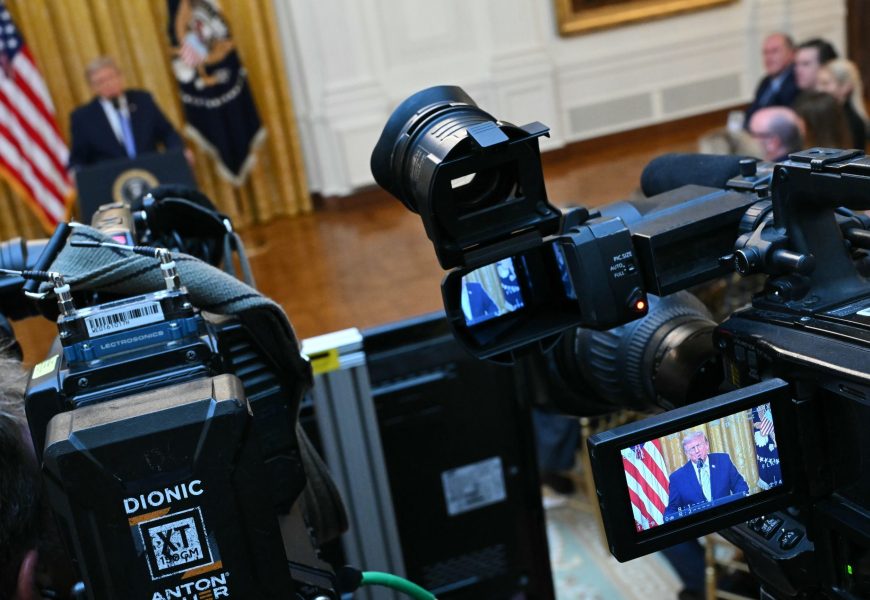
As President Donald Trump threatened sanctions for those who didn’t cover his address live Thursday night, the nation’s broadcast and cable news operations wrestled with the thorniest of questions: To air or not to air?
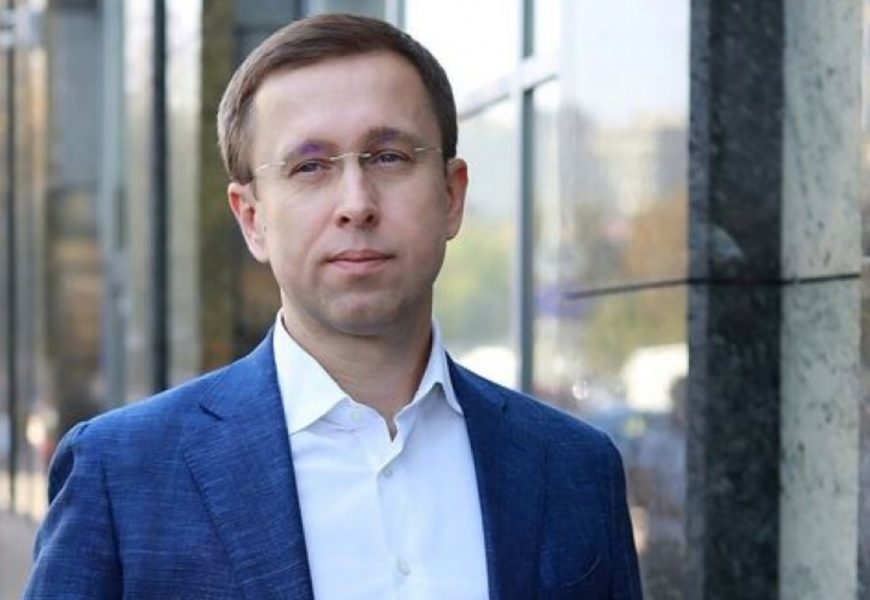
KYIV, Ukraine (AP) – Ukraine’s parliament on Thursday approved Serhii Koretskyi, the head of state energy company Naftogaz, as the country’s new prime minister, as part of a major government reshuffle initiated by President Volodymyr Zelenskyy.
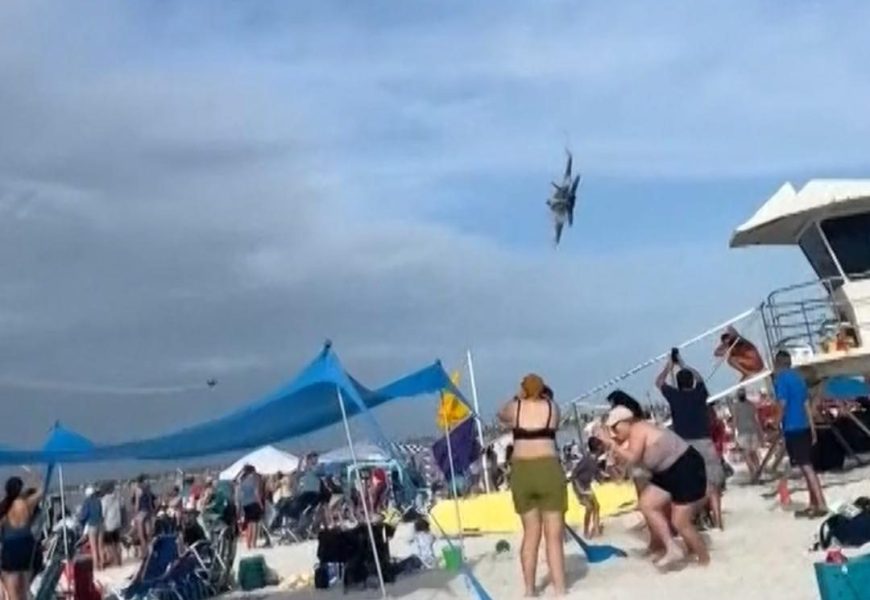
U.S. Navy fighter jet flies low over beach

Excerpts from recent editorials in the United States and abroad:
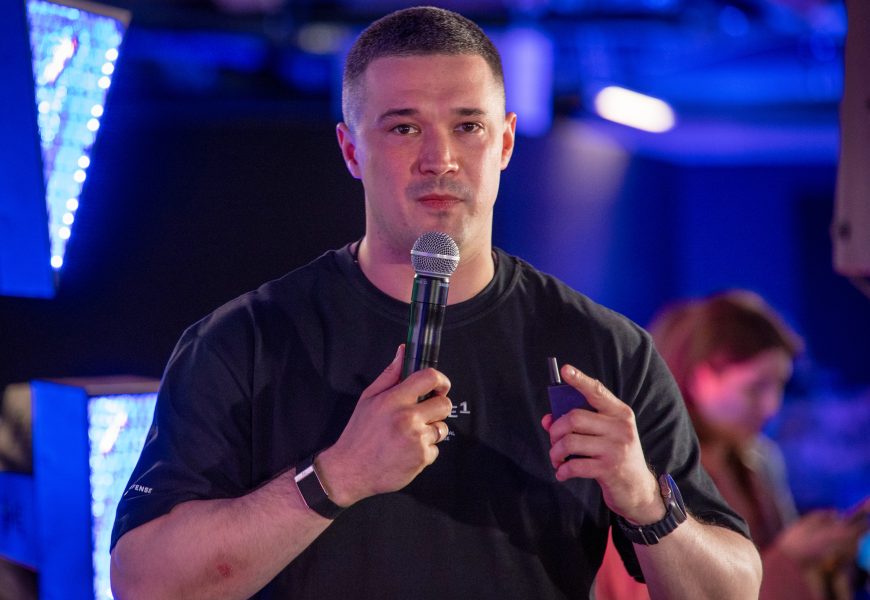
KYIV, Ukraine (AP) – President Volodymyr Zelenskyy shook up his wartime government, drawing hundreds of Ukrainians into the streets Thursday to protest the ouster of his youthful defense minister – seen as an innovator of the country’s successful drone technology but who clashed with the traditional military establishment.
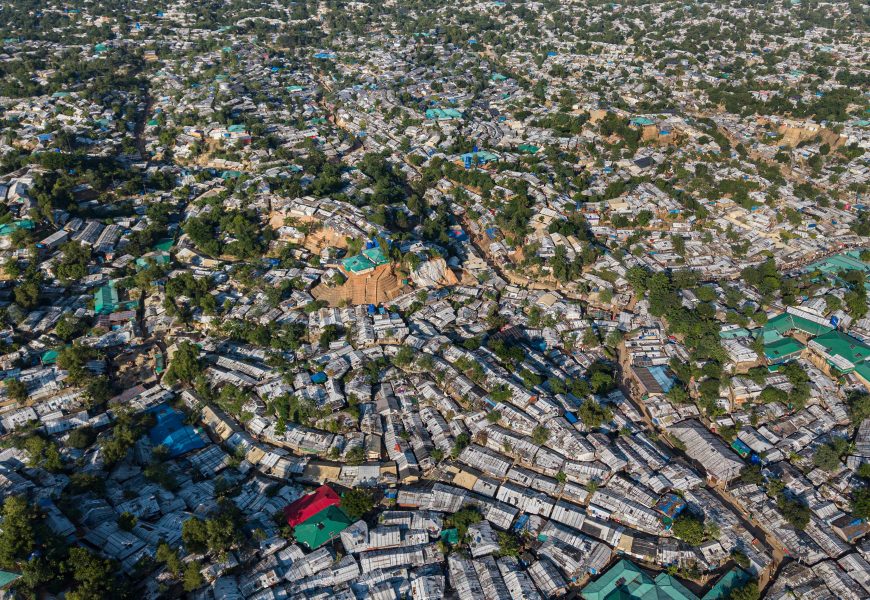
SYDNEY (AP) – More than 500 people are feared dead after reports that two boats carrying members of Myanmar’s persecuted Rohingya minority have capsized in the Bay of Bengal, officials said Thursday.

WASHINGTON (AP) – The U.S. Treasury last year swelled with revenue from President Donald Trump’s double-digit taxes on imports from almost every country on earth.

TOKYO (AP) – A law set to pass Friday by Japan’s parliament could doom its 1,500-year-old hereditary institution by insisting that only men can be emperor, sparking worry about the shrinking, fast-aging imperial family.
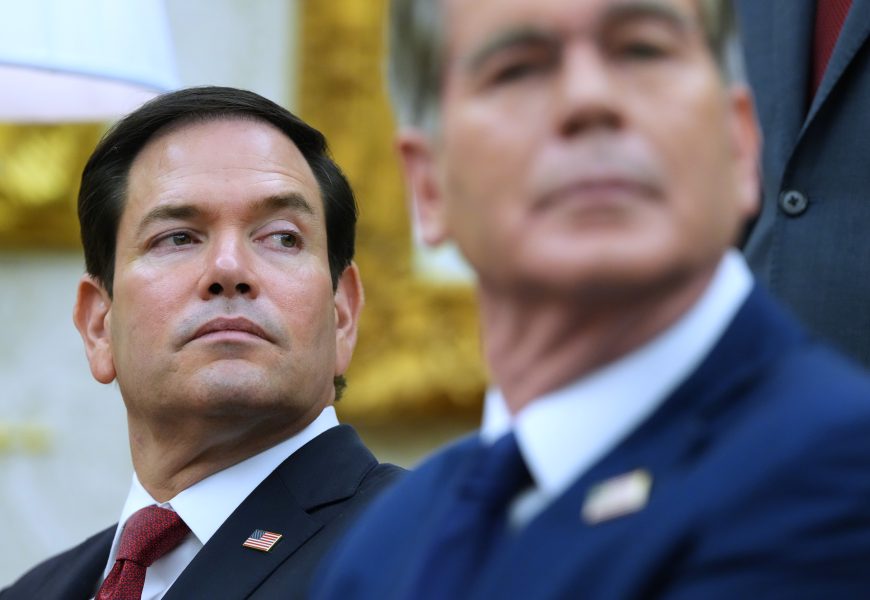
Secretary of State Marco Rubio on Thursday convened leaders from more than 60 countries to take part in the Trump administration’s latest effort to quell what it calls “left wing” political terrorism, a marquee issue for Republicans heading into the midterm elections.


 °C
°C