°C
 2
Min
Wall Street finished lower on Friday after stronger-than-expected US employment figures increased expectations that the Federal Reserve could raise interest rates later this month. The Dow Jones dropped 279.20 points, or 0.54%, while the S&P 500 declined 29.58 points, or 0.38%, to close at 7,718.13. The Nasdaq Composite fell 78.62 points, or 0.30%.
Wall Street closes lower as strong jobs report raises rate hike fears
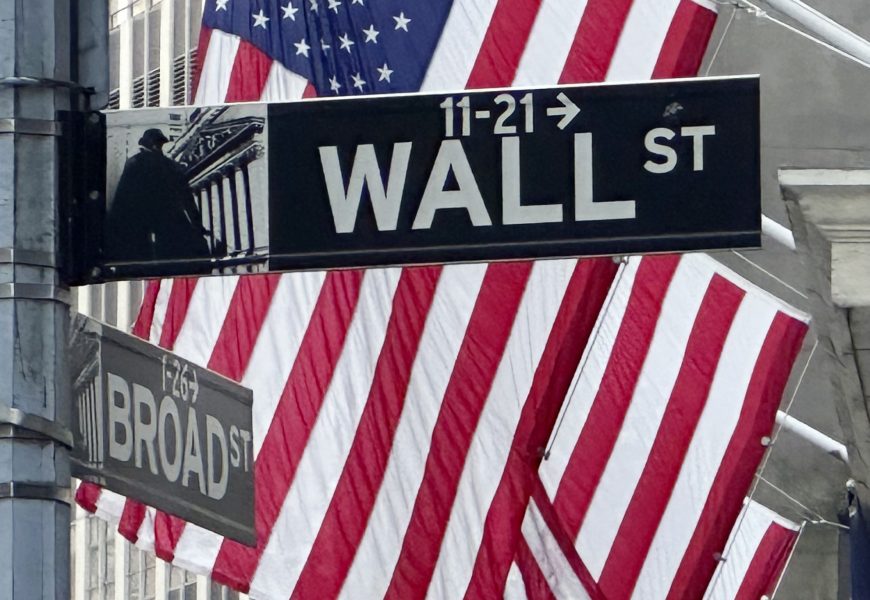
Wall Street finished lower on Friday after stronger-than-expected US employment figures increased expectations that the Federal Reserve could raise interest rates at its monetary policy meeting later this month.
The Dow Jones Industrial Average dropped 279.20 points, or 0.54%, while the S&P 500 declined 29.58 points, or 0.38%, to close at 7,718.13. The Nasdaq Composite fell 78.62 points, or 0.30%.
All three major US stock indexes ended the session in negative territory as investors broadly reduced their exposure to equities ahead of the three-day holiday weekend.
The latest Labor Department employment report showed that the US economy added 162,000 jobs in August, substantially exceeding the consensus forecast of 56,000. Payroll figures for June and July were also revised higher by a combined 55,000 positions.
The participation rate increased during the month, while the unemployment rate remained unchanged at 4.1%.
Although the stronger employment figures point to continued resilience in the US economy, investors viewed the report as potentially increasing pressure on the Federal Reserve to tighten monetary policy.
Markets are particularly focused on the possibility that higher energy prices linked to the war could feed into wider inflationary pressures. A more restrictive interest-rate policy could be used to prevent temporary increases in energy costs from becoming entrenched across the broader economy.
The latest jobs figures have therefore complicated expectations surrounding the Fed's next move, with investors now weighing the strength of the labour market against the potential inflationary impact of rising energy prices.
The prospect of higher interest rates weighed on equities, as investors reassessed the outlook for borrowing costs and economic growth.
More Top Stories