°C
 2
Min
Queensland is facing a major energy-planning challenge as plans for a proposed $30 billion hyperscale data centre raise questions about how much electricity the rapidly expanding artificial intelligence and digital industries could require. The proposed facility in the Western Downs could have a peak electricity demand comparable to the average consumption of about 1.5 million households.
Massive Queensland AI project sparks energy debate
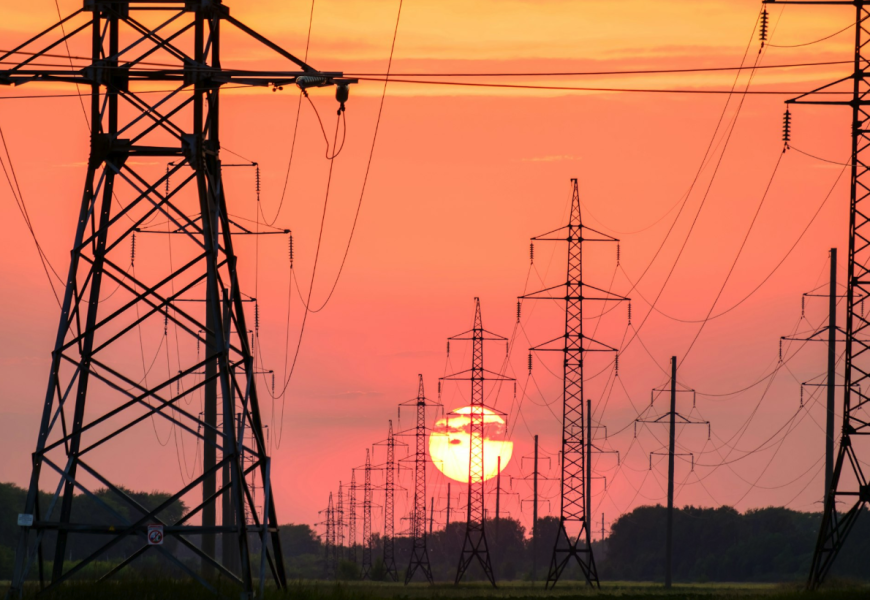
Queensland is facing a major energy-planning challenge as plans for a proposed $30 billion hyperscale data centre raise questions about how much electricity the rapidly expanding artificial intelligence and digital industries could require.
The proposed facility in the Western Downs could have a peak electricity demand comparable to the average consumption of about 1.5 million households. At maximum capacity, its electricity requirements could represent roughly a quarter of Queensland's current power use.
The scale of the project has put the growing demand for data centres firmly into the state's infrastructure debate.
Data centres are becoming increasingly important to the global economy as companies expand cloud computing, artificial intelligence, digital services and data storage. However, the electricity requirements of the newest facilities are substantially greater than those of traditional commercial developments.
For Queensland, the proposal highlights the challenge of accommodating major new industries while maintaining reliable and affordable electricity for households and existing businesses.
The Western Downs has emerged as an important location for large-scale energy and industrial projects because of its access to land and existing electricity infrastructure. The region also has significant renewable energy resources, potentially providing an opportunity to link new digital infrastructure with additional renewable generation.
However, a project of this magnitude would require careful consideration of transmission capacity, generation, storage and the timing of new infrastructure.
The proposal also raises broader questions about who ultimately pays for the infrastructure required to connect major new electricity users to the grid.
The development comes as governments around Australia grapple with rapidly increasing electricity demand from artificial intelligence, cloud computing and industrial electrification.
For Queensland, the project could deliver significant investment, construction activity and employment if it proceeds.
But the sheer scale of its potential energy consumption means the proposal is also becoming a test of how the state plans its electricity system for the next decade.
The project is therefore about more than a single data centre. It could help determine how Queensland balances new technology industries with the reliability, affordability and sustainability of its electricity network.
More Top Stories