°C
 3
Min
The European Union is preparing new sanctions against a North Korean children’s camp accused of participating in the transfer of Ukrainian children from Russian-occupied areas of Ukraine to North Korea. The Songdowon International Children’s Camp is included in a draft EU sanctions document outlining individuals and organisations.
EU Sanctions Target North Korean Camp Linked to Transfer of Ukrainian Children
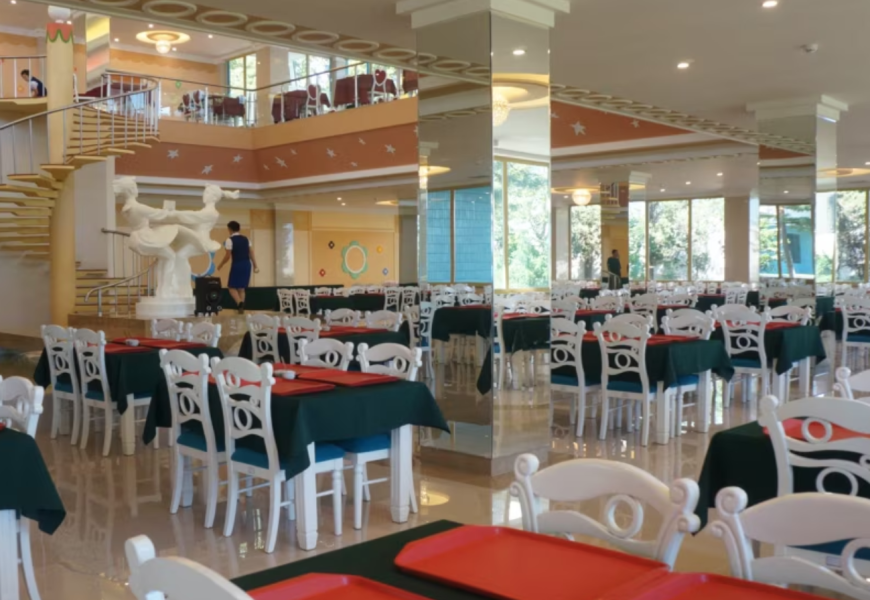
The European Union is preparing new sanctions against a North Korean children's camp accused of participating in the transfer of Ukrainian children from Russian-occupied areas of Ukraine to North Korea.
The Songdowon International Children's Camp is included in a draft EU sanctions document outlining individuals and organisations that the bloc intends to penalise as part of its latest measures against Russia. The sanctions are expected to be approved next week.
While most of those named are senior officials in Russian-occupied parts of Ukraine, including Crimea and the Donbas, the inclusion of the North Korean camp highlights the growing cooperation between Moscow and Pyongyang in connection with Russia's war in Ukraine.
According to the EU document, Songdowon has taken part in organised programmes involving Ukrainian children transferred from territories under Russian occupation. The transfers have reportedly been coordinated by Russian officials and presented as cultural exchanges.
However, the document alleges that the programmes serve a wider propaganda purpose, exposing Ukrainian children to narratives supportive of Russia.
The EU describes the camp as being involved in the "unlawful transfer, ideological indoctrination, and militarization" of Ukrainian children in cooperation with Russia.
Located on North Korea's eastern coast along the Sea of Japan, about 95 kilometres from the border with South Korea, Songdowon is promoted as the country's largest children's camp. North Korean authorities established the facility in 1960, describing its purpose as promoting international friendship.
The United Kingdom sanctioned the camp in May, accusing it of supporting Russia's programme for the forced deportation and re-education of Ukrainian children. North Korea responded by recalling its ambassador from London and downgrading diplomatic relations with Britain.
The alleged transfer of Ukrainian children has also attracted international legal scrutiny. The International Criminal Court has issued an arrest warrant for Russian President Vladimir Putin over allegations involving the unlawful deportation and transfer of Ukrainian children.
The EU's proposed measures come as North Korea's broader military relationship with Russia continues to deepen.
Pyongyang sent an estimated 12,000 troops to support Russian forces in 2024 after Ukraine launched its incursion into Russia's Kursk region. South Korean intelligence has estimated that about 2,000 North Korean soldiers have been killed in the fighting.
Ukrainian President Volodymyr Zelenskyy has also warned that North Korea could send additional troops to Russia. Kyiv has further alleged that North Korean personnel could become involved in operating ballistic missiles supplied by Pyongyang.
Other organisations included in the EU's proposed sanctions package are children's summer camps located in Russia and Russian-occupied Ukrainian territories.
The EU says children transferred to such facilities have been exposed to programmes promoting loyalty to Russia, Russian national identity and Russian national values, alongside military history and activities associated with military-patriotic organisations.
The bloc argues that the forced transfer and treatment of Ukrainian children represent serious violations of international law and children's fundamental rights.
It says the programmes are aimed at weakening Ukrainian identity and could have long-term consequences for future generations of Ukrainians.
More Top Stories