°C
 2
Min
Tesla has unveiled an ambitious electric sports car concept capable of driving upside down and performing mid-air manoeuvres using rocket-like thrusters, in a project developed in collaboration with Elon Musk's SpaceX. The futuristic vehicle is reportedly designed to accelerate from zero to 97 km/h in less than one second, while its thruster technology would allow it to leap into the air and change direction mid-flight.
Tesla Unveils Futuristic Sports Car Capable of Upside-Down Driving and Mid-Air Jumps
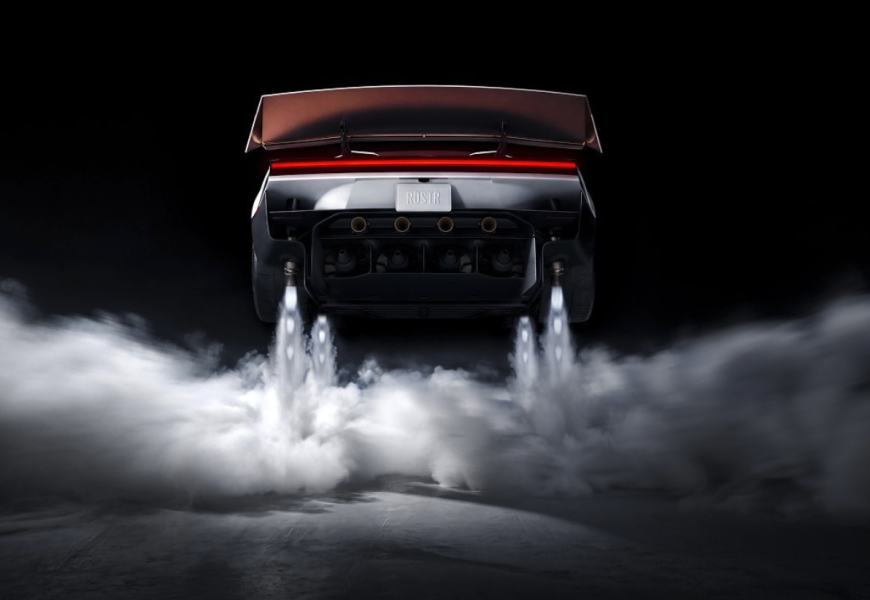
Tesla has unveiled an ambitious electric sports car concept capable of driving upside down and performing mid-air manoeuvres using rocket-like thrusters, in a project developed in collaboration with Elon Musk's SpaceX.
The futuristic vehicle is reportedly designed to accelerate from zero to 97 km/h in less than one second, while its thruster technology would allow it to leap into the air and change direction mid-flight.
The project was first promised in 2017, but its development has taken considerably longer than initially anticipated. The vehicle is now expected to arrive in 2028, although its final specifications, production plans and commercial availability remain to be confirmed.
The proposed car represents an attempt to push the boundaries of conventional electric vehicle engineering by combining high-performance automotive technology with systems inspired by rocket propulsion.
Driving upside down and executing controlled aerial movements would present significant engineering challenges, particularly in maintaining stability, managing power and ensuring passenger safety. The use of rocket-like thrusters would also raise questions about operating conditions, regulatory approval and the environments in which such a vehicle could be used.
Tesla has built its reputation around electric vehicles, battery technology and advanced vehicle software, while SpaceX specialises in rocket development and space transportation. Their reported collaboration brings together expertise from both companies in pursuit of an unconventional automotive design.
The latest announcement revives a project that has attracted attention since it was first discussed nearly a decade ago. However, the gap between the original promise and the anticipated 2028 release means further details will be needed to establish how closely the final vehicle matches the capabilities described.
If delivered as proposed, the car could represent a striking departure from traditional sports cars, offering performance and manoeuvrability beyond what conventional road vehicles can achieve.
For now, the anticipated 2028 timeframe remains the key milestone as further information about the vehicle's technology, testing and potential production emerges.
More Top Stories