°C
 7
Min
US President Donald Trump has described the latest American strikes on Iran as a minor military operation, insisting the attacks did not amount to a return to full-scale war. Trump said the United States had been monitoring an Iranian anti-aircraft facility for two months before striking it on Monday night.
Trump downplays US strikes on Iran as tensions rise in Hormuz

US President Donald Trump has described the latest American strikes on Iran as a minor military operation, insisting the attacks did not amount to a return to full-scale war.
Trump said the United States had been monitoring an Iranian anti-aircraft facility for two months before striking it on Monday night.
Speaking to Fox News, he said American forces had waited until construction of the facility was completed before launching the attack.
"We were watching it for two months. As soon as it was completed, we hit it last night very nicely," Trump said.
He characterised the operation as limited, adding: "It was minor, it wasn't war."
The comments follow reports of US strikes on Iran's Qeshm Island, a strategically important location in the Strait of Hormuz that plays a significant role in Iran's naval operations.
The attacks are the first reported US strikes on the island since June and come amid growing uncertainty over whether Washington and Tehran are moving towards a diplomatic settlement or another escalation of their conflict.
An unnamed US official said the latest strikes were defensive operations targeting Iranian forces allegedly using surface-to-air missiles against American assets.
Iranian state media reported several explosions on Qeshm Island late Monday, with witnesses describing aircraft flying over the area.
The strikes reportedly followed claims by Iran's Islamic Revolutionary Guard Corps (IRGC) that it had destroyed an American MQ-9 drone east of the Strait of Hormuz.
Trump's comments also included an announcement that the United States would stop providing financial assistance to Israel after the end of this year.
Meanwhile, Iran has maintained that the reopening of the Strait of Hormuz depends on Washington addressing its demands.
Iran's senior security official, Mohsen Rezaei, said the United States must respond fully and explicitly to Tehran's seven conditions before the strategically important shipping route could be completely reopened.
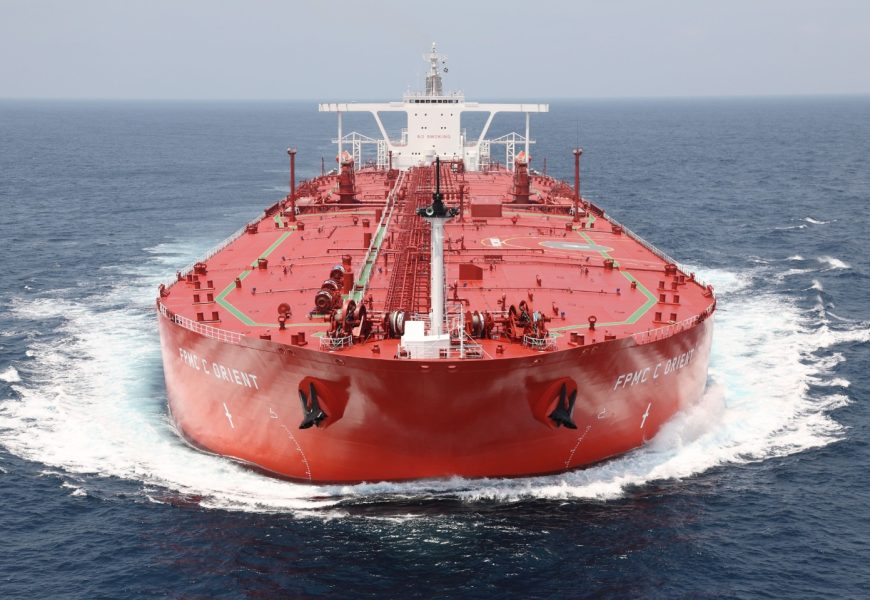
The IRGC has also claimed that three tankers exploded after striking naval mines while attempting to transit the strait without Iranian permission.
Iranian authorities further claimed that two American Lucas drones were shot down near the coastal area of Bandar Khamir. The claims have not been independently verified.
The competing military statements come as international efforts to prevent a renewed escalation continue.
Diplomatic negotiations continue
Qatar has been leading mediation efforts between Washington and Tehran, with officials exchanging proposals in an attempt to secure an agreement and avoid a return to the wider conflict that began on February 28.
Qatari representatives travelled to Tehran on Monday night for discussions with Iranian Foreign Minister Abbas Araghchi about a draft agreement that has reportedly been under negotiation for eight days.
Araghchi said consultations through mediators were continuing intensively, but stressed that any progress depended on the United States responding to Iran's conditions.
Iranian Foreign Ministry spokesman Esmaeil Baghaei said Tehran's demands were clear and reasonable, adding that responsibility for the next move rested with Washington.
He said Iran's proposal for ending the conflict, originally submitted in September, remained the basis for negotiations.
According to Baghaei, the proposal could potentially be shortened and implemented within two days, including reopening the Strait of Hormuz and resuming discussions about Iran's nuclear programme.
Iranian President Masoud Pezeshkian has also indicated that his government has been given greater authority to pursue negotiations with the United States.
Pezeshkian said Supreme Leader Ayatollah Mojtaba Khamenei had granted the government certain powers relating to the talks and that Tehran would seek to resolve the conflict through diplomatic means.
The apparent approval for renewed negotiations represents a significant development following the breakdown of an earlier understanding between Washington and Tehran in June.
On the American side, Vice President JD Vance had expressed optimism about reaching a diplomatic solution just hours before the latest strikes were reported.
The developments leave both countries pursuing diplomatic negotiations while continuing to exchange military threats and accusations.
With the Strait of Hormuz remaining a critical point of tension, the outcome of the negotiations could have significant consequences for international shipping, energy supplies and global oil markets.
More Top Stories