°C
°C 5
Min
5
Min
RIO DE JANEIRO (AP) – When summer heat comes to the Arara neighborhood in northern Rio, it lingers, baking the red brick and concrete that make up many of the buildings long after the sun has gone down. Luis Cassiano, who’s lived here more than 30 years, says he’s getting worried as heat waves become more frequent and fierce.
As world leaders enter climate talks, people in poverty have the most at stake
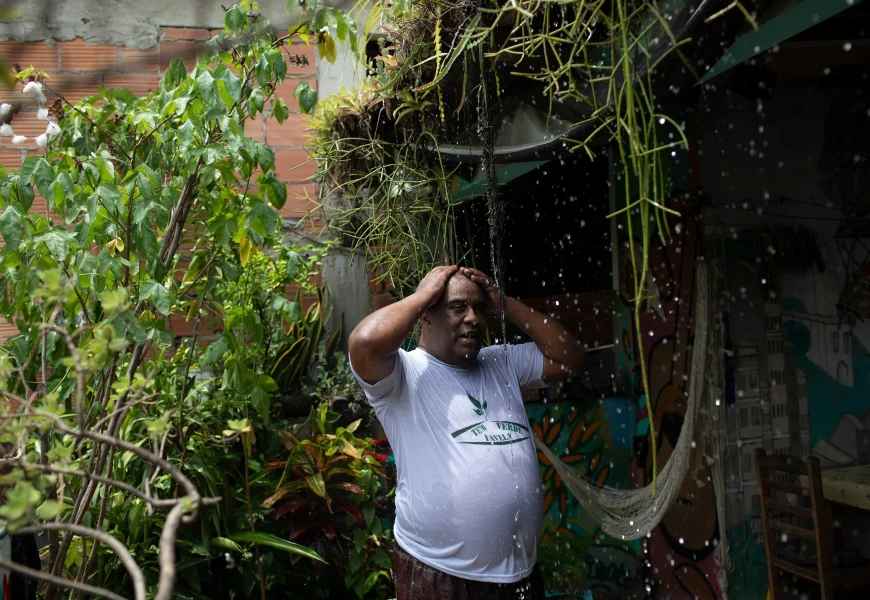
RIO DE JANEIRO (AP) – When summer heat comes to the Arara neighborhood in northern Rio, it lingers, baking the red brick and concrete that make up many of the buildings long after the sun has gone down. Luis Cassiano, who’s lived here more than 30 years, says he’s getting worried as heat waves become more frequent and fierce.
In poor areas such as Arara, those who can afford air conditioning – Cassiano is one – can’t always count on it because of frequent power outages on an overloaded system. Cassiano gets some relief from the green roof he installed about a decade ago, which can keep his house up to 15 degrees Celsius (about 27 degrees Fahrenheit) cooler than his neighbor’s, but he still struggles to stay comfortable.
“The sun in the summer nowadays is scary,” Cassiano said.
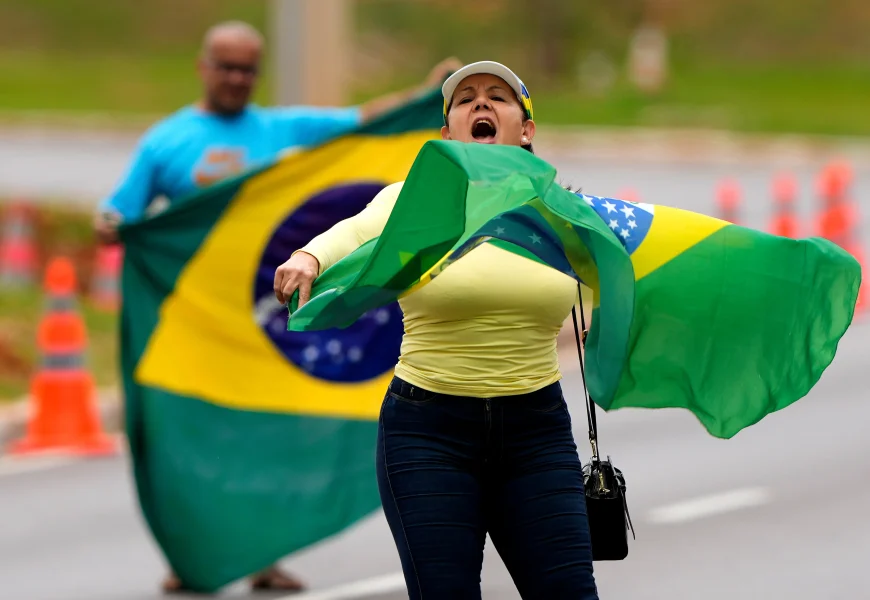
As world leaders come to Brazil for climate talks, people like Cassiano are the ones with the most at stake. Poor communities are often more vulnerable to hazards like extreme heat and supersized storms and less likely to have the resources to cope than wealthier places.