°C
 5
Min
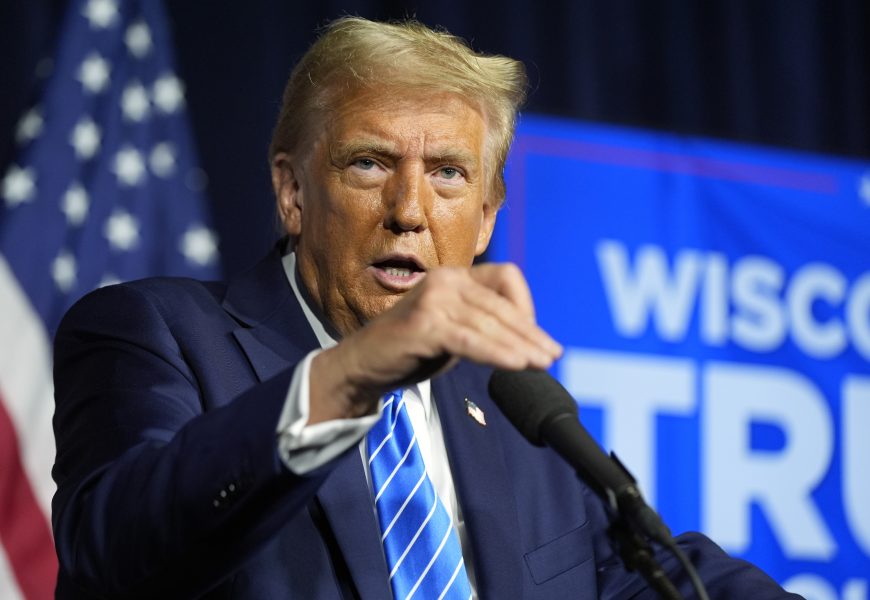
US President Donald Trump has explicitly ruled out using nuclear weapons against Iran, while leaving open the possibility of deploying America's largest conventional bomb as speculation grows over a potential new phase of the conflict.
Trump Rules Out Nuclear Weapons Against Iran but Leaves Door Open to Massive Bomb Strike
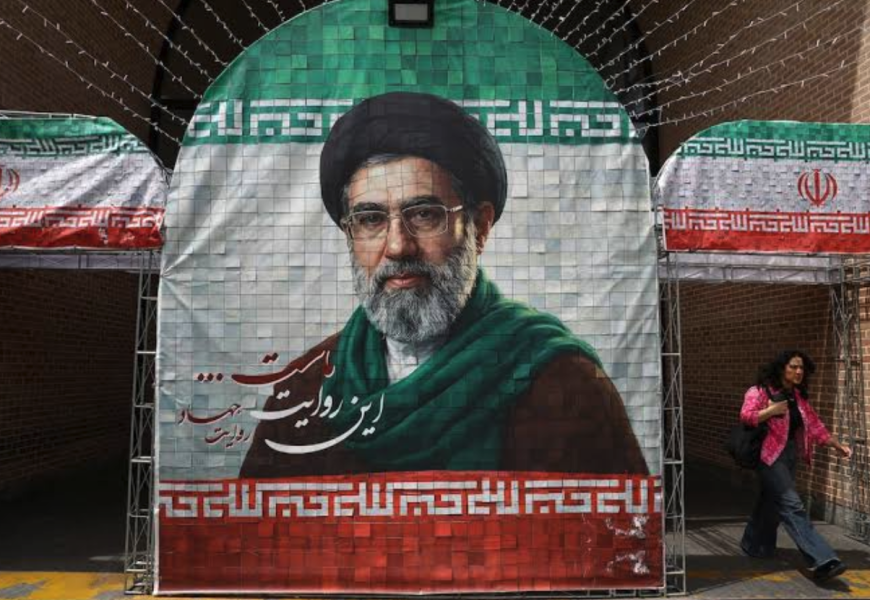
US President Donald Trump has explicitly ruled out using nuclear weapons against Iran, while leaving open the possibility of deploying America's largest conventional bomb as speculation grows over a potential new phase of the conflict.
In an interview published on Thursday by the US news outlet Newsmax, Trump said Washington did not need to use nuclear weapons, despite maintaining that the United States possessed the world's most powerful nuclear arsenal.
"I wouldn't use nuclear. We don't have to. We're the greatest nuclear power in the world," Trump said.
His comments marked his clearest statement yet on the possible use of nuclear weapons during the conflict involving the United States, Israel and Iran.
However, Trump did not rule out using the GBU-43/B Massive Ordnance Air Blast bomb, commonly known as the "mother of all bombs" or MOAB. He confirmed the weapon was not nuclear but declined to say whether he had authorised its deployment against Iran.
"The mother of all bombs is not nuclear," Trump said, describing it as an extremely large conventional explosive.
The remarks come amid growing speculation that Washington could launch another major military operation against Iranian targets, potentially after the US midterm elections scheduled for November 3.
Nuclear facilities remain a potential target
Trump indicated that further strikes against Iran's nuclear infrastructure remained an option, specifically mentioning Pickaxe Mountain, where Iran is believed to have facilities buried deep beneath layers of granite.
He argued that the United States could not end the conflict until it was confident Iran could not develop a nuclear weapon.
Trump has repeatedly claimed that Tehran would use such a weapon if it acquired one, although Iran's intentions and nuclear capabilities remain central points of dispute in the conflict.
The US president again predicted the war would end "very soon", either through military action or diplomacy, and said oil prices would subsequently fall.
Asked whether American ground troops would be deployed to Iran, Trump responded that he did not envisage such an operation.
A ground invasion would present significant challenges for US forces, given Iran's size, mountainous terrain and extensive military infrastructure.
What makes the MOAB so powerful?
The MOAB is one of the largest conventional bombs in the US military arsenal. It carries approximately 8,500 kilograms of high explosives and weighs close to 10 tonnes.
More than nine metres long, the weapon is too large for stealth bombers and must be delivered by a suitably equipped aircraft, such as a C-130 Hercules transport plane.
The bomb is designed to detonate above the ground, producing a powerful blast capable of devastating exposed personnel, equipment and vulnerable structures across a wide area.
Its enormous explosive force makes it a potentially destructive weapon against surface targets. However, military analysts have questioned whether it would be effective against deeply buried Iranian nuclear installations protected by substantial layers of rock.
The terrain and operational requirements involved in reaching some of Iran's suspected facilities could also complicate its deployment.
Although the MOAB can cause extensive destruction, it is not a nuclear weapon and does not produce the nuclear explosion associated with an atomic bomb.
Previous nuclear threats raised concerns
Trump's latest comments follow months of uncertainty over how far Washington might go to force Iran to accept an agreement.
In April, during an escalation involving restrictions on shipping through the Strait of Hormuz, Trump warned on his Truth Social platform that an entire civilisation could be destroyed if Iran failed to agree to a deal and reopen the strategic waterway.
He also threatened extensive attacks on Iranian infrastructure, including power plants and bridges.
The statements prompted widespread concern and speculation about whether the United States might consider nuclear options, although Trump had not previously provided such an explicit rejection of their use.
Last month, he again threatened to "annihilate" Iran while addressing the United Nations General Assembly and suggested a negotiated settlement could emerge after the US midterm elections.
Tactical nuclear weapons carry enormous risks
Tactical nuclear weapons are generally designed for battlefield use rather than the large-scale strategic destruction associated with some other nuclear weapons.
However, the term can be misleading. Depending on their explosive yield and the circumstances of their use, tactical nuclear weapons can cause catastrophic casualties, widespread destruction and lasting radiation effects.
The United States, Russia and North Korea possess nuclear weapons that can be used in tactical roles. No country has used a nuclear weapon in combat since the United States dropped atomic bombs on Hiroshima and Nagasaki in 1945.
The distinction between conventional and nuclear weapons is therefore significant in assessing the potential consequences of any further escalation involving Iran.
What could happen next?
With Trump declining to rule out the use of the MOAB, one possibility is a renewed US bombing campaign against Iranian nuclear facilities and military infrastructure, including installations believed to be buried underground.
Washington could also maintain its naval restrictions on Iranian ports while seeking to protect commercial shipping through the Strait of Hormuz, a critical route for global energy supplies.
Iran has warned that further attacks could trigger retaliation against oil infrastructure and digital facilities in neighbouring Gulf states. Such action could widen the conflict and increase the risks to regional security and international energy markets.
Earlier discussions about possible US ground operations, including efforts to recover highly enriched uranium allegedly held underground in Iran, have also raised concerns about a prolonged military engagement.
For now, Trump's rejection of nuclear weapons provides a clearer indication of his stated intentions, but it does not establish whether another conventional bombing campaign will occur.
His refusal to confirm whether the MOAB has been authorised leaves a key question unanswered as Washington weighs military pressure against the possibility of a diplomatic settlement.
More Top Stories