°C
 2
Min
Queensland councils have welcomed a federal government decision to abandon proposed changes to disaster recovery funding, following widespread opposition from local authorities concerned about the financial burden on communities recovering from major emergencies.
Queensland Wins Disaster Funding Concession
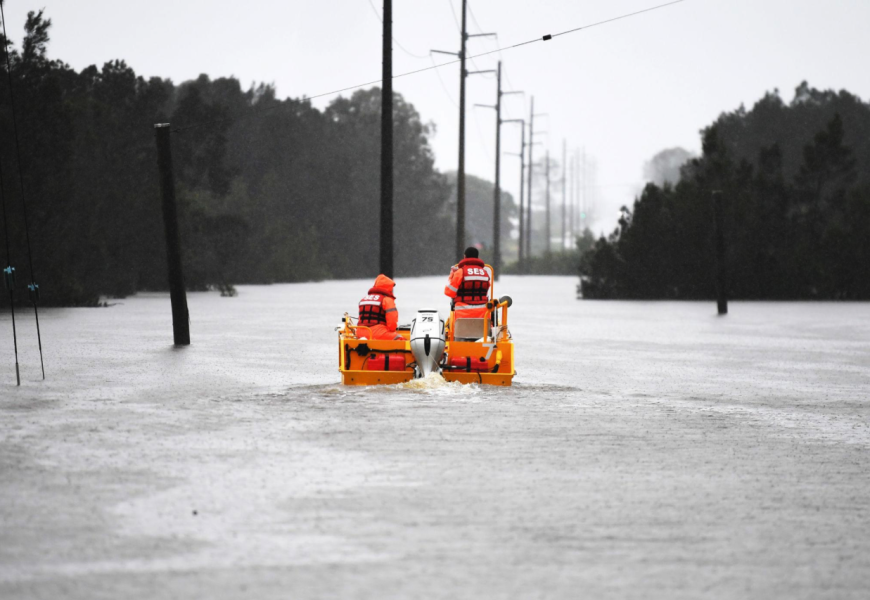
Queensland councils have welcomed a federal government decision to abandon proposed changes to disaster recovery funding, following widespread opposition from local authorities concerned about the financial burden on communities recovering from major emergencies.
The federal government had proposed moving towards an arrangement under which the Commonwealth and states would each contribute 50 per cent of eligible disaster recovery costs. The change would have reduced the Commonwealth's contribution from the existing arrangement, under which it provides approximately 75 per cent of funding.
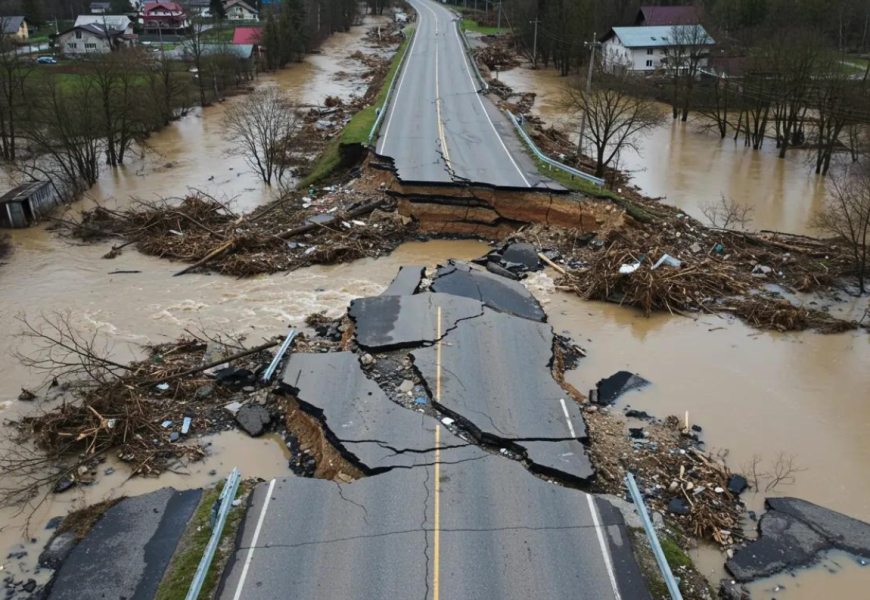
The proposal raised concerns among councils across Queensland, where floods, cyclones, bushfires and severe storms can cause extensive damage to roads, public infrastructure, community facilities and local businesses.
All 77 Queensland mayors joined a collective appeal opposing the proposed changes. Their campaign highlighted the financial pressures councils face when disasters damage infrastructure and disrupt essential services.
Federal Treasurer Jim Chalmers announced on Friday that the government would retain the existing funding approach rather than proceed with the proposed reduction.
Townsville Mayor Nick Dametto described the outcome as a positive development but said caution remained necessary. Other regional leaders also welcomed the reversal, pointing to the accumulated costs of repairing disaster-damaged infrastructure.
For councils with limited revenue bases, a substantial increase in their share of recovery costs could have forced difficult choices between rebuilding damaged assets, maintaining existing services and funding other local priorities.
The decision is particularly significant for disaster-prone communities that rely on assistance from higher levels of government to restore essential infrastructure after major weather events.
The Gold Coast has also argued that federal assistance is crucial to restoring beaches, supporting tourism and helping local businesses recover after destructive weather. The city's experience following Tropical Cyclone Alfred has reinforced concerns about the consequences of reducing recovery support.
Although the funding reversal has been welcomed, it does not remove the broader challenges facing Queensland communities. Councils must still plan for future disasters, maintain emergency preparedness and address the long-term costs associated with increasingly complex recovery operations.
The next challenge will be ensuring that funding arrangements remain clear, reliable and responsive when communities need assistance.
Local governments will continue to face pressure to improve resilience while balancing the cost of essential services against the need to repair and rebuild after disasters.
More Top Stories