°C
 3
Min
The European Union's data protection watchdog has urged manufacturers of smart glasses to introduce clear and reliable warnings whenever the devices are used to take photographs or record video, amid growing concerns about covert filming and the misuse of personal images.
EU Watchdog Demands Clear Warnings on Recording Smart Glasses
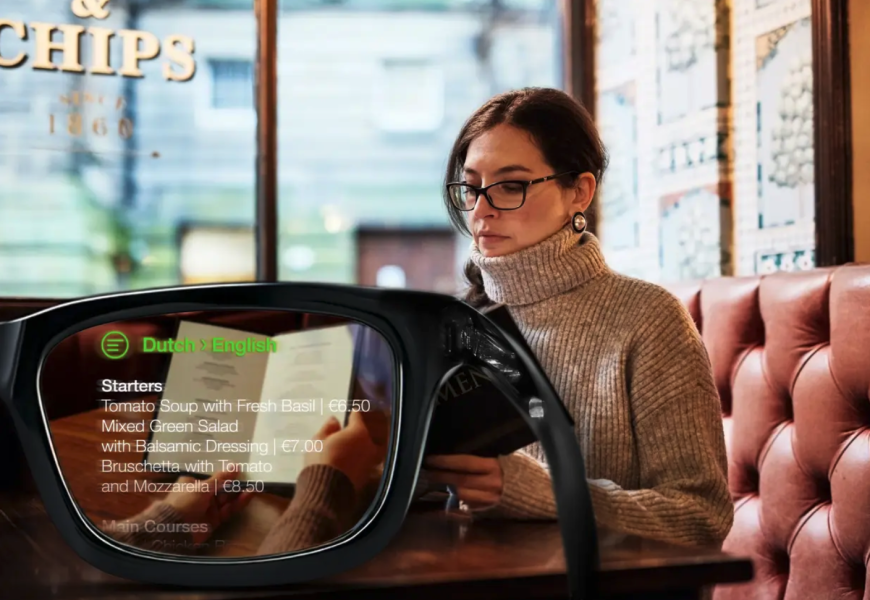
The European Union's data protection watchdog has urged manufacturers of smart glasses to introduce clear and reliable warnings whenever the devices are used to take photographs or record video, amid growing concerns about covert filming and the misuse of personal images.
The European Data Protection Board (EDPB) issued the non-binding recommendation on Tuesday, warning that camera-equipped glasses pose significant privacy risks because they can look almost identical to conventional eyewear.
The devices can capture photographs and videos, make phone calls and translate text when connected to the internet, creating concerns about whether people nearby can recognise when they are being recorded.
EDPB chair Anu Talus said manufacturers should ensure that recording activity is clearly communicated through visible LED lights, audible alerts, voice notifications, smartphone warnings or distinctive product designs.
"These warnings need to be reliable, hard to ignore, and always up to date," Talus said, stressing that people should be able to recognise when they are being photographed or filmed, even in public places.
The watchdog identified particular risks in sensitive environments, including schools and hospitals, as well as public locations such as beaches. It also highlighted the vulnerability of children, warning that they require greater protection against covert or intrusive collection of their personal information.
The recommendation comes as pressure grows across Europe to introduce restrictions or outright bans on smart glasses amid fears that the technology could be used to record people without their knowledge or consent.
Norway's government said last week it was concerned about privacy violations and wanted a temporary ban on smart glasses in certain public places. Oslo has already moved to prohibit camera-equipped glasses in schools.
In France, the e-Enfance association, which operates the country's national hotline for victims of online abuse, has raised concerns about footage recorded using camera-equipped glasses and subsequently distributed on social media.
French prosecutors last month announced a criminal investigation following complaints of sexual harassment linked to a social media trend in which people used smart glasses to film women on the street without their consent before publishing the footage online.
The practice has intensified concerns that discreet recording technology could facilitate harassment, unwanted exposure and the distribution of personal images beyond the control of those filmed.
Campaigners in the United Kingdom and Ireland have also launched a "Stop Smart Glasses" initiative, urging retailers to stop selling the devices. The campaign has called on supporters to contact stores and has attracted more than 10,000 petition signatures, triggering a requirement for the UK government to respond.
While the EDPB's recommendation is not legally binding, it adds to growing pressure on manufacturers, retailers and policymakers to address privacy risks associated with wearable cameras.
The debate highlights a broader challenge for technology companies and regulators: balancing innovation and convenience with the rights of individuals who may be recorded in everyday settings without realising it.
Clear recording indicators could provide an important safeguard, but the effectiveness of any measures will depend on whether warnings are sufficiently noticeable and whether users comply with privacy requirements.
As smart glasses become more common, governments across Europe are facing increasing calls to establish clearer protections for people who may be filmed without their knowledge or consent.
More Top Stories