°C
°C
 5
Min
5
Min
Australia has a remarkably poor record of delivering megaprojects on time and on budget. It is a predictable outcome of a broken system. Earlier this year, consultants Deloitte found the cost of 13 publicly funded road, rail and energy projects had blown out by A$130 billion more than their initial estimates.
To avoid future road, rail and renewable blowouts costing billions, Australia needs these 3 big fixes
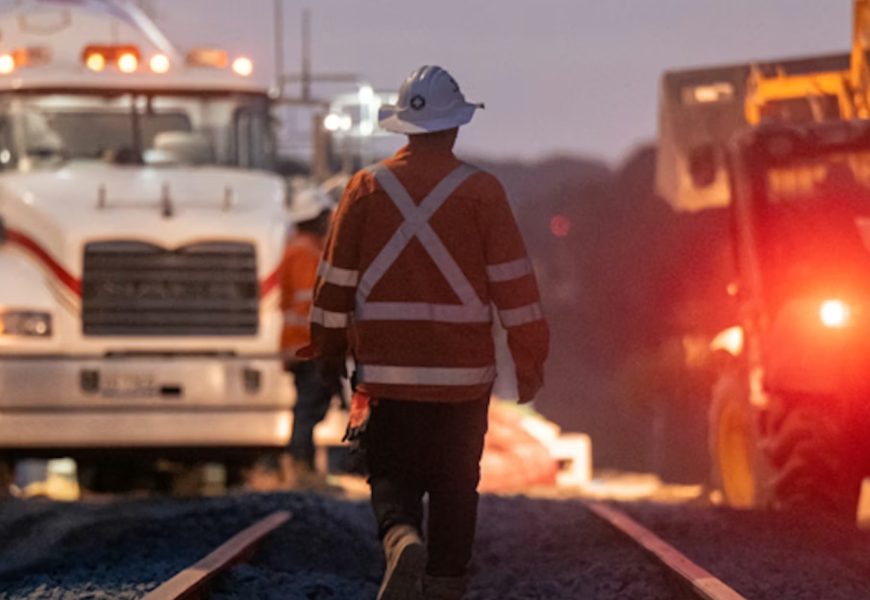
Australia has a remarkably poor record of delivering megaprojects on time and on budget. It is a predictable outcome of a broken system.
Earlier this year, consultants Deloitte found the cost of 13 publicly funded road, rail and energy projects had blown out by A$130 billion more than their initial estimates.
Snowy Hydro 2.0, a renewable energy scheme initially costed at A$2 billion, was meant be completed by 2021. Instead, it's still under construction, and some reports have its cost rising to $22 billion - eleven times the initial estimate.
There are many similar examples:
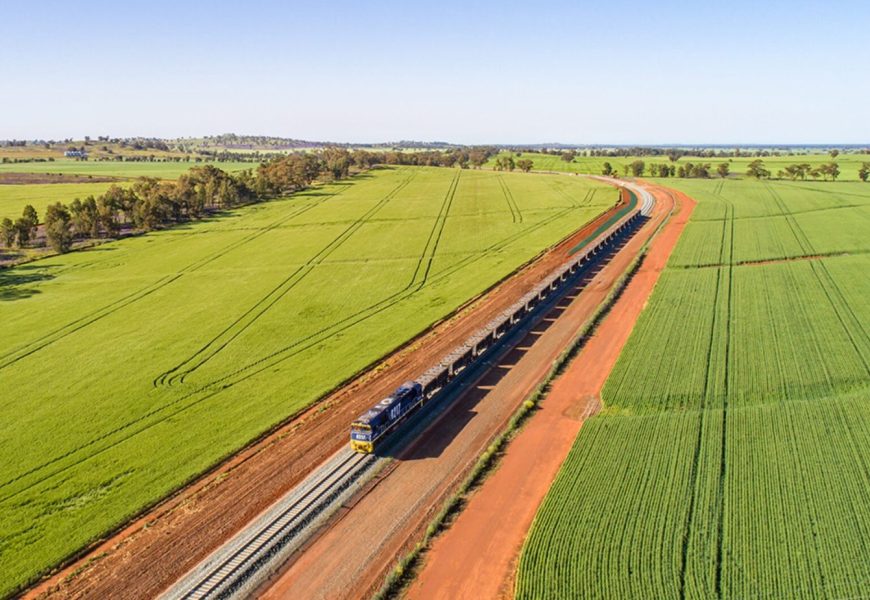
- Inland Rail's cost also jumping nearly tenfold, from $4.7 billion to $45 billion
- Melbourne's North East Link road tunnels project more than doubling in cost, from $10 billion to $26 billion
- Melbourne's Suburban Rail Loop rising to more than $96 billion, also almost double its original price tag
- and Brisbane's $19 billion Cross River Rail, originally announced at $5.4 billion.
When I shared these Australian examples in Brussels while previewing our new book chapter in "Governance for Major Projects", colleagues from other countries laughed in disbelief at the scale of the cost blowouts. One asked if I was joking.
Here's what we get wrong and how that could change.
How Australia approves projects the wrong way around
Every major project that goes over time and budget will have specific causes to point to, from tunnelling problems to supply chain disruptions.
However, in Australia, the same structural problems keep repeating.
Announcing projects without a credible business case
A 2020 Grattan Institute report found prematurely announced projects suffered an average 35% cost overrun.
Melbourne's $96 billion Suburban Rail Loop is a classic example. When it was announced for $50 billion in 2018, there was no business case and no independent assessment.
Lack of independent scrutiny, with the power to pause projects
Within a highly politicised project appraisal system, assumptions about costs versus benefit are rarely subjected to rigorous independent scrutiny.
Infrastructure Australia is meant to be the federal government's independent infrastructure advisor. In its 2016 evaluation of the business case of the 1,600km Inland Rail freight line from Melbourne to Brisbane, Infrastructure Australia said it:
would prefer if the proponent could present a more complete, transparent and objective assessment of the options considered, with greater detail of the relative costs and benefits of alternative options.
Yet it still endorsed the project anyway.
Inland Rail began construction in 2018 under the Morrison government - before its route had even been finalised.
Its northern half from central New South Wales to Queensland has just been axed, due to predictable cost blowouts.
Transparency is treated as discretionary
In Australia, much of the advice informing ministers' decisions about multi-billion-dollar projects remain hidden from the public.
In February, the federal government released its business case for pushing ahead with a proposed $93 billion High Speed Rail project.
Yet dozens of pages of the business case are blacked out with heavy redactions.
How Norway turned cost blowouts into savings
International research has shown cost overruns on big infrastructure projects are more common than not.
In the 1980s and 1990s, most major projects in Norway were experiencing significant overruns.
So in 2000, Norway introduced mandatory, external quality assurance for all projects estimated to cost more than 1 billion Norwegian krone (around A$150 million). This happens at two stages - concept selection and cost validation - before funding approval.
Before its quality assurance process was introduced, a 2015 study found 72% of Norway's large road projects experienced cost overruns. Afterwards, that fell to 27%.
A 2024 paper looking more broadly at 96 Norwegian government projects found just 25% of those projects had cost overruns. The average project was delivered 4.4% below budget.
The UK is learning from costly lessons
The Australian government has rightly pointed to the United Kingdom's expensive and mismanaged High Speed Rail 2 as a lesson in what not to do.
But a year ago, the UK began to strengthen oversight for major projects by creating the National Infrastructure and Service Transformation Authority - a single body to oversee infrastructure planning, prioritisation and delivery.

Three key changes needed in Australia
Norway and the UK both acknowledged their systems were causing too many expensive publicly funded failures - and made changes.
Here's where Australia could start.
1. Do things in the right order
Mandatory independent assurance, modelled on Norway's system, should be a legal prerequisite before any announcement. Premature announcements cripple an evidence-based appraisal process.
Cost estimates should also be independently validated before ministerial approval.
2. Set up an independent project authority, with real power
Infrastructure Australia was created as an independent advisory body back in 2008 under Labor. It was championed by now Prime Minister Anthony Albanese as a way to "stamp out the pork barrelling".
Yet even today, Infrastructure Australia has no real power to compel, reject or delay risky projects.
Australian needs a truly independent statutory authority with real power to oversee major projects.
This would require the major political parties to surrender something they prize: being able to announce projects before the proper appraisal has been done.
3. Make transparency the law, not the exception
Full public disclosure of cost and benefit estimates should be a legal requirement, before projects can get financial commitment.
Norway publishes its project appraisals in full as part of its mandatory reporting requirements.
The argument that Australia cannot do the same is not a practical objection. It is a political one.
TheConversation.com
Author: Dominic D Ahiaga-Dagbui - Director of Deakin Megaprojects Research Group and Senior Lecturer of Construction and Project Management, Deakin University
More Top Stories