°C
 3
Min
The number of confirmed Ebola cases in the Democratic Republic of the Congo (DRC) has exceeded 9,000, with thousands of deaths recorded as health authorities struggle to contain the country's largest and deadliest outbreak of the disease.
DR Congo Ebola Cases Surpass 9,000 as Containment Efforts Struggle
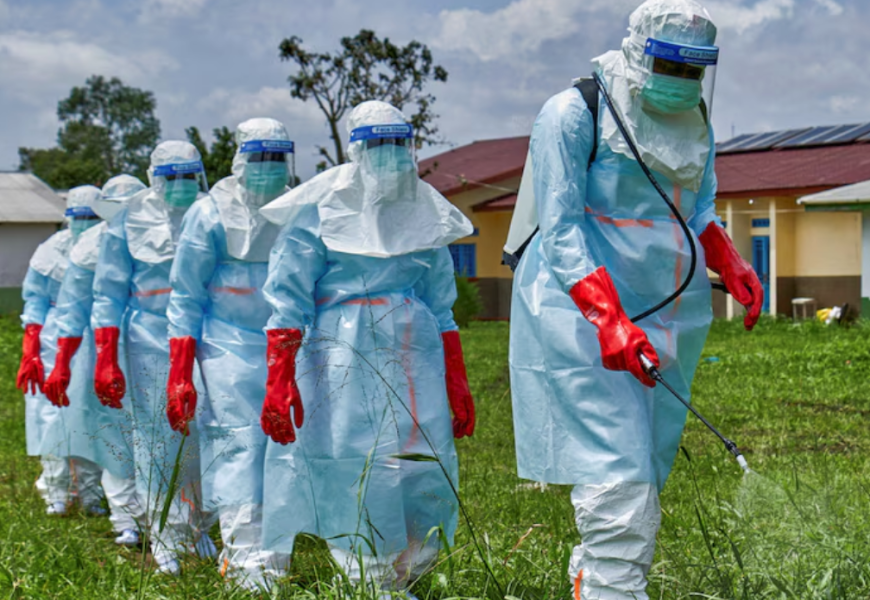
The number of confirmed Ebola cases in the Democratic Republic of the Congo (DRC) has exceeded 9,000, with thousands of deaths recorded as health authorities struggle to contain the country's largest and deadliest outbreak of the disease.
Health Ministry figures released on Tuesday showed 9,066 confirmed infections and 4,381 deaths, representing a fatality rate of almost half of all confirmed cases.
The outbreak is being driven by the Bundibugyo strain of Ebola, which has no approved vaccine or specific treatment. The scale of the crisis has raised concerns about further transmission within the region and across international borders.
The outbreak is the deadliest in the DRC's history and ranks second globally to the West African Ebola epidemic of 2014-2016. That epidemic resulted in approximately 28,600 confirmed cases and more than 11,000 deaths across Guinea, Liberia and Sierra Leone, according to the World Health Organization (WHO).
Regional concerns intensified last week after Kenya confirmed its first imported case. The infected Kenyan national had been living in the DRC and travelled through Uganda before arriving in Nairobi, where he subsequently died.
Uganda also reported 20 cases and two deaths earlier this year. However, the country was declared Ebola-free in August.
The current outbreak in the DRC was officially announced in mid-May, although some experts believe transmission may have started as early as February. The virus has spread across seven provinces in the country's northern and eastern regions.
Ebola is transmitted through direct contact with the bodily fluids of infected people or contaminated materials. Containing its spread requires rapid identification of cases, isolation of infected patients, contact tracing and effective community cooperation.
However, health workers and emergency response teams are facing significant resistance in some communities. Mistrust of authorities has undermined containment efforts, with some residents reportedly believing the outbreak is being used as a pretext for officials to divert public funds.
The response is further complicated by continuing conflict between government forces and the M23 rebel group. Insecurity and difficult transport conditions have made it harder to deliver medical supplies and other essential resources to remote communities where infections have been reported.
The dangers facing those involved in the response were highlighted in September, when a local politician in eastern DRC was beaten to death after publicly defending the government's handling of the outbreak during a radio broadcast, according to his political party.
Health authorities and international partners are continuing efforts to strengthen the response, but the absence of an approved vaccine or treatment specifically targeting the Bundibugyo strain presents a major challenge.
On Tuesday, WHO Health Emergencies Programme Executive Director Dr Chikwe Ihekweazu said preparations were under way for a clinical trial to assess a vaccine's effectiveness against the strain. The trial is expected to be prepared for the DRC in the coming weeks.
The proposed trial could provide important evidence for future prevention strategies. In the meantime, authorities face the urgent task of improving access to healthcare, rebuilding community trust and limiting the risk of further infections spreading within the DRC and to neighbouring countries.
More Top Stories