°C
 3
Min
Serbia's government has proposed dissolving parliament, clearing the way for an early election as President Aleksandar Vucic seeks to strengthen his political position after nearly two years of widespread anti-government protests. Prime Minister Djuro Macut announced the proposal in Belgrade on Monday.
Serbia Moves Towards Snap Election Amid Political Unrest
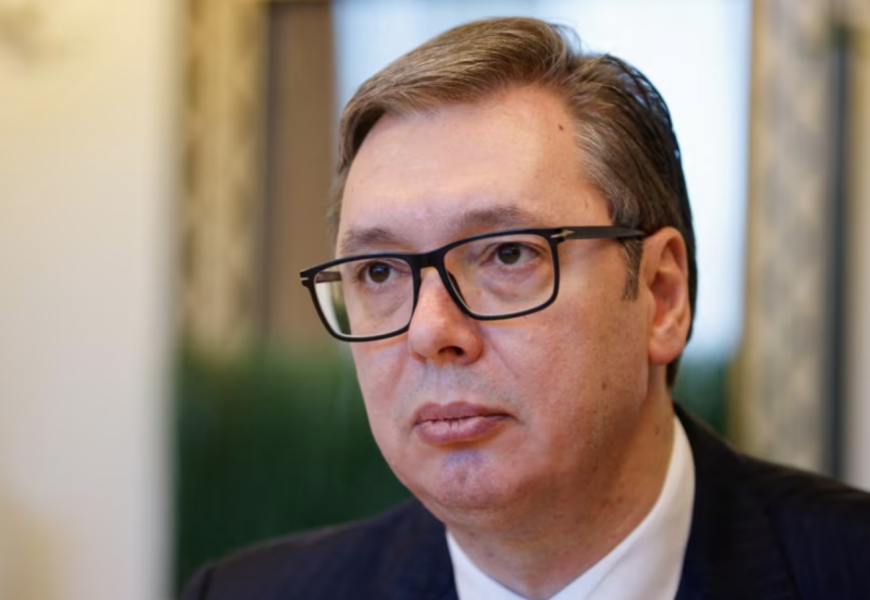
Serbia's government has proposed dissolving parliament, clearing the way for an early election as President Aleksandar Vucic seeks to strengthen his political position after nearly two years of widespread anti-government protests.
Prime Minister Djuro Macut announced the proposal in Belgrade on Monday, saying an early vote could help ease tensions and address growing demands for a fresh parliamentary mandate.
"If we want to mitigate tensions in society there is no better way than to ask people," Macut told ministers.
Serbia had been due to hold parliamentary elections in December next year. However, Vucic has indicated that the election will instead take place in October, with October 18 or 25 being considered as possible dates.
The vote could also fuel speculation that Vucic, who has served as either president or prime minister for 12 years, may seek to become prime minister.
The election will provide a major test of Vucic's hold over Serbian politics. His government has faced its strongest challenge in years from a student-led protest movement demanding early elections and accountability over corruption and government institutions.
The demonstrations intensified following the deaths of 16 people when a concrete canopy collapsed at a railway station in 2024. Protesters have accused Vucic and his allies of corruption, political violence, links to organised crime and restricting media freedoms. Vucic and his allies deny the allegations.
Macut said Serbia had endured protests, blockades, political divisions and disruption in education, while institutions had come under heavy pressure.
"For some time, parts of the public have been calling for early parliamentary elections," he said, adding that "a responsible government never ignores such demands."
Vucic's Serbian Progressive Party nominated him on Saturday to run for prime minister, potentially allowing him to return to the government's most powerful executive position if his political camp wins the election.
Under Serbia's constitution, between 45 and 60 days must be allowed for campaigning once an election is called. Vucic is expected to formally set the election date in the coming days.
The opposition has also criticised the government over Serbia's stalled bid to join the European Union. While Vucic has maintained that EU membership remains a strategic goal, his government has also pursued close relations with Russia and China.
The Serbian president has faced renewed pressure from the EU following the return and burial in Serbia of former Bosnian Serb military commander Ratko Mladic, who was convicted of war crimes by a United Nations tribunal. Mladic was given military honours at his burial on Monday and was hailed as a hero by supporters.
The coming election is therefore likely to become a crucial test of whether Vucic can maintain his long-standing dominance of Serbian politics amid growing public opposition and international pressure.
More Top Stories