°C
 3
Min
The Ku Klux Klan is attempting to broaden its appeal as experts warn that white supremacist and white nationalist movements continue to find support in parts of the United States. Concerns about a resurgence in white supremacy have grown over the past decade, with researchers pointing to the spread of extremist ideas and the increasing mainstreaming of anti-immigrant rhetoric.
KKK Seeks New Foothold as US White Nationalism Persists
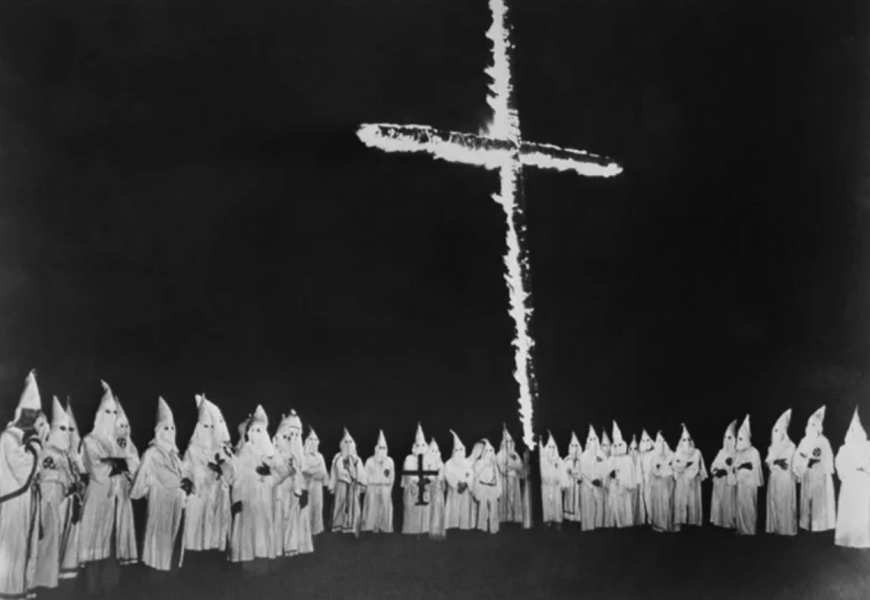
The Ku Klux Klan is attempting to broaden its appeal as experts warn that white supremacist and white nationalist movements continue to find support in parts of the United States.
Concerns about a resurgence in white supremacy have grown over the past decade, with researchers pointing to the spread of extremist ideas and the increasing mainstreaming of anti-immigrant rhetoric.
A 2025 survey by the Public Religion Research Institute of more than 20,000 US adults found that 32 percent agreed with the statement that immigrants are "invading" the country and replacing its cultural and ethnic background.
The belief is closely associated with the so-called Great Replacement Theory, a racist conspiracy theory that falsely claims immigrants, Jews and non-white populations are deliberately replacing white people in Western countries.
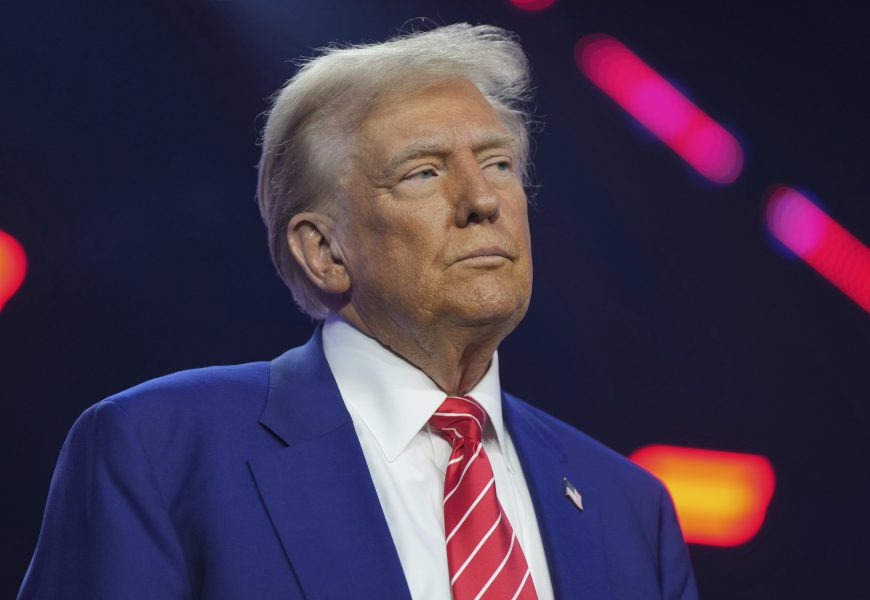
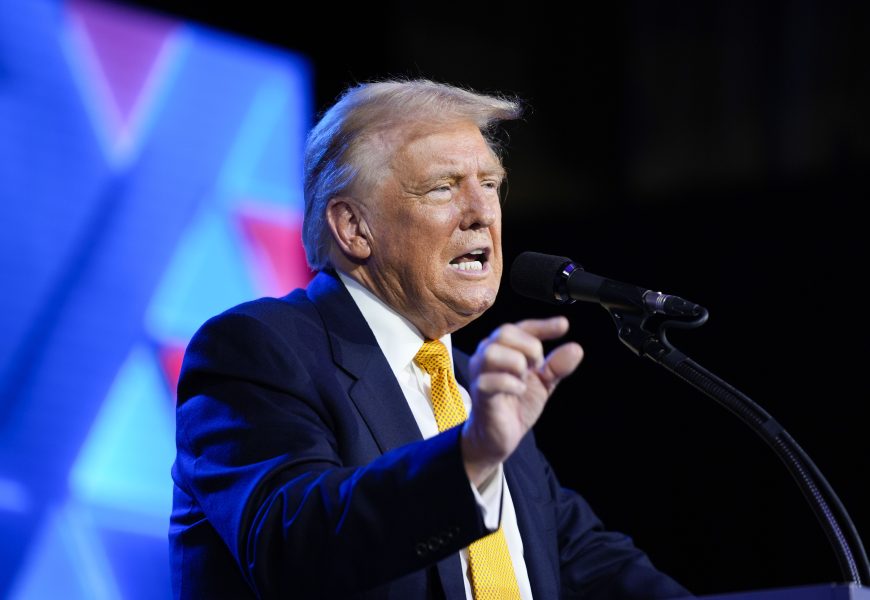
Critics have accused political leaders, including President Donald Trump, of helping normalise some of the rhetoric associated with these ideas. Trump has frequently described illegal immigration as an "invasion" and has faced criticism over his past associations with figures linked to white nationalism.
The KKK itself has attempted to reshape its public image.
Thomas Robb, who has led a faction formerly known as the Knights of the Ku Klux Klan since 1989, now heads the organisation under the name the Knights Party. The group has sought to place greater emphasis on family and Christianity while reducing its public association with the Klan's history of violence.
Robb has also replaced the traditional title of "grand wizard" with "national director" and has allowed prospective members to communicate with the organisation confidentially by mail.
Despite those changes, the organisation continues to promote a white nationalist ideology.
Asked whether Black people could attend a church associated with the organisation, Robb said they could not because it was a "white nationalist church".
The Ku Klux Klan emerged in the aftermath of the US Civil War in 1865 as a violent movement opposed to expanding civil and political rights for Black Americans and other minorities.
The organisation and its various offshoots used intimidation, lynchings and other violence to suppress Black political participation and maintain racial segregation.
The Knights faction is now one of numerous white supremacist organisations operating in the United States. The Southern Poverty Law Center estimates that at least 152 such groups are currently active, describing white supremacist activity as part of a broader trend that has grown over the past decade.
Other groups have also demonstrated publicly. The Patriot Front, another white nationalist organisation, staged a march in the Washington, DC, area during the July 4 Independence Day period this year.
The wider growth of white nationalist sentiment predates Trump's political rise. Robb has identified the 2008 election of Barack Obama, the first Black president of the United States, as a significant moment in the mobilisation of the movement.
Trump's return to office has nevertheless intensified debate about the political environment surrounding extremist groups. His administration has moved to dismantle federal diversity initiatives and has pursued investigations into alleged discrimination against white Americans.
The administration has also prioritised certain white South African applicants in refugee admissions while making claims about alleged persecution that have been disputed.
Despite claiming that support for his movement is increasing, Robb has declined to provide membership figures or independent evidence demonstrating significant growth.
He also acknowledged that many people who may sympathise with aspects of the movement remain reluctant to formally join a white supremacist organisation.
More Top Stories