°C
 4
Min
At least four people have been killed and 20 others wounded in a series of Israeli air strikes across southern Lebanon, in the latest escalation of violence despite an existing truce.
Israeli Strikes Kill Four in Southern Lebanon Despite Truce
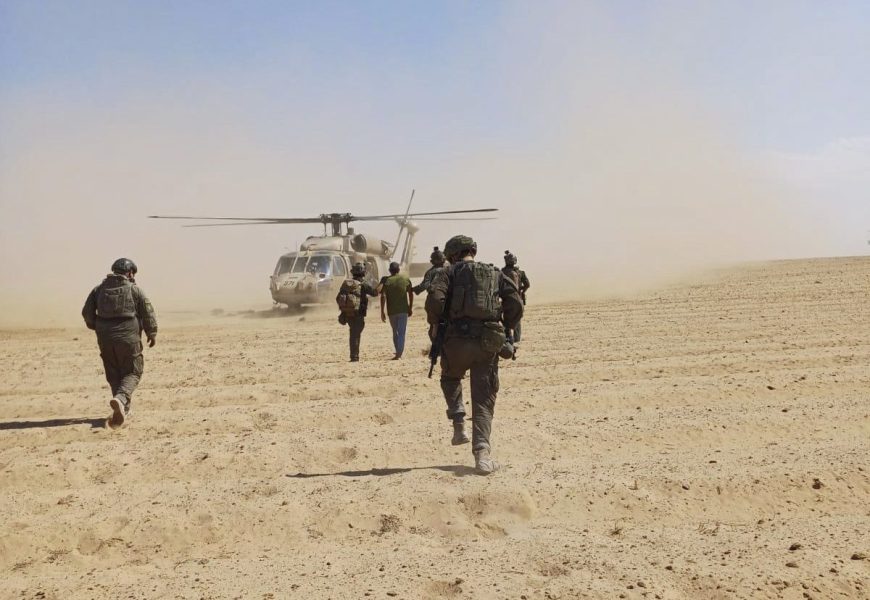
At least four people have been killed and 20 others wounded in a series of Israeli air strikes across southern Lebanon, in the latest escalation of violence despite an existing truce.
The attacks began early on Sunday and struck several locations, including Nabatieh, Arab Salim, Nabatieh al-Fawqa and Kfar Reman, according to Lebanon's official National News Agency.
Two women were killed and six people injured in a strike on Arab Salim after Israeli forces reportedly ordered residents to leave a building in the town.
Lebanon's Health Ministry said two people were also killed in an Israeli attack on Nabatieh al-Fawqa.
Another strike in Nabatieh city destroyed a historic building belonging to the brother of a Lebanese member of parliament and caused damage to several surrounding properties.
In Kfar Reman, an Israeli attack destroyed the home of the town's former mayor, who has since died. Five people were taken to hospitals in Nabatieh for treatment and later discharged.
A further strike hit the Sayyida Masouma Garden in Nabatieh, destroying what remained of the municipal park after it was damaged in an attack the previous day.
Israel said the latest attacks were carried out in response to Hezbollah launching two drones towards Israeli forces operating in southern Lebanon. Israeli authorities described the drone attack as a serious violation of the truce.
The strikes come amid months of renewed conflict between Israel and Hezbollah. Since March, when Hezbollah attacked Israel during the wider US-Israel war with Iran, Israeli forces have conducted repeated air raids across Lebanon and launched a ground operation.
Lebanese authorities say more than 4,300 people have been killed in Israeli attacks since then.
Israeli troops also remain deployed inside a self-declared security zone extending roughly 10 kilometres into Lebanese territory.
The intensity of the attacks has fallen since a US-Iran memorandum of understanding was reached in June over the broader conflict. Israel and Lebanon subsequently signed a framework agreement later that month.
However, Lebanese authorities continue to report Israeli air strikes, artillery fire and extensive demolitions of civilian properties in villages and towns across the south.
On Friday, Israeli attacks in southern and eastern Lebanon killed four people, including an 18-year-old woman. Israel said those strikes targeted Hezbollah positions after another drone was launched towards its soldiers.
Earlier this week, Israel announced that its forces had gained what it called "operational control" of the strategically important Ali al-Taher ridge near Nabatieh. Hezbollah has yet to respond publicly to the claim.
Israel considers troop repositioning
Meanwhile, Israel is reportedly considering reducing its military presence in parts of southern Lebanon and moving its forces closer to the border.
Israeli public broadcaster Kan, citing security officials, reported that the military was preparing to reposition troops between three and four kilometres closer to Israel, establishing a new line known as the "Grey Line" where military outposts could be constructed.
The proposed move would see Israeli forces withdraw from parts of the existing "Yellow Line", which stretches north of the Litani River.
However, the plan has not yet received approval from Israel's political leadership. Questions also remain over whether territory vacated by Israeli forces would be transferred to the Lebanese army, according to Kan.
Hezbollah condemned Israel's ongoing military campaign, accusing the international community of remaining silent and the United States of openly supporting Israel.
The group also reaffirmed its opposition to direct negotiations between Lebanon and Israel, describing Beirut's talks with Israel as unproductive.
Efforts to reduce tensions continued on Saturday, when Qatar's Prime Minister and Foreign Minister, Sheikh Mohammed bin Abdulrahman bin Jassim Al Thani, held a telephone conversation with Lebanese Prime Minister Nawaf Salam.
Qatar said the discussions focused on efforts to prevent further escalation and promote de-escalation in southern Lebanon.
More Top Stories