°C
°C 6
Min
6
Min
TEHRAN, Iran (AP) – As you enter Iran’s capital, it starts with only occasional glimpses – a passenger in a car speeding by or a pedestrian trying to leapfrog through Tehran’s notorious traffic. But as you reach the cooler heights of Tehran’s northern neighborhoods along the city’s sycamore-lined Vali-e Asr Street, they are almost everywhere, women with their brown, black, blonde and gray locks.
In brief glimpses of Tehran, an AP journalist sees a changing and challenged Iran
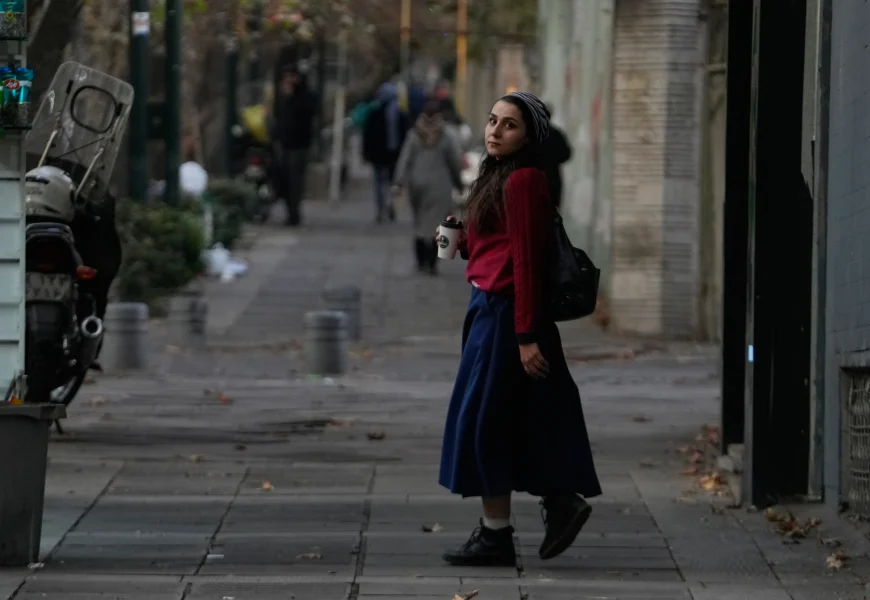

TEHRAN, Iran (AP) – As you enter Iran’s capital, it starts with only occasional glimpses – a passenger in a car speeding by or a pedestrian trying to leapfrog through Tehran’s notorious traffic. But as you reach the cooler heights of Tehran’s northern neighborhoods along the city’s sycamore-lined Vali-e Asr Street, they are almost everywhere, women with their brown, black, blonde and gray locks.
More and more, Iranian women choose to forgo the country’s mandatory headscarf, or hijab.
It was something unthinkable just a few years earlier in the Islamic Republic, whose conservative Shiite clerics and hard-line politicians long pushed for strict enforcement of laws requiring women to cover their hair. But the 2022 death of Mahsa Amini and the nationwide protests that followed enraged women of all ages and views in a way few other issues have since the country’s 1979 Islamic Revolution.
“When I moved to Iran in 1999, letting a single strand of hair show would immediately prompt someone to tell me to tuck it back under my headscarf out of fear of the morality police taking me away,” said Holly Dagres, a senior fellow at the Washington Institute for Near East Policy. “To see where Iran is today feels unimaginable: Women and girls openly defying mandatory hijab.”