°C
 3
Min
Formula One's governing body has launched a full investigation into a software problem that caused widespread power issues and forced the start of the Bahrain Grand Prix at Malaysia's Sepang circuit to be delayed.
Formula One to investigate software bug behind Bahrain GP chaos
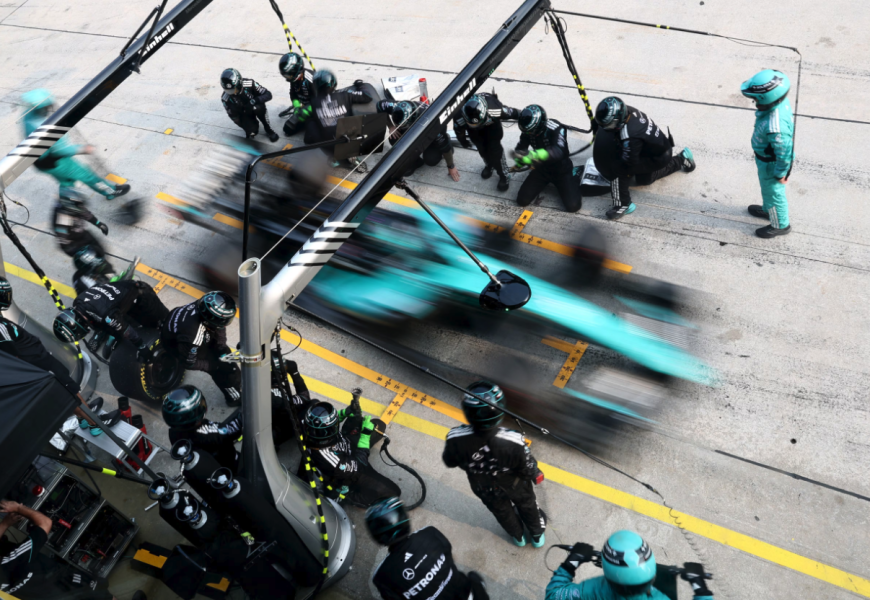
Formula One's governing body has launched a full investigation into a software problem that caused widespread power issues and forced the start of the Bahrain Grand Prix at Malaysia's Sepang circuit to be delayed.
Several drivers experienced severe power loss during the formation lap following torrential rain and a lengthy delay. Among those affected were Ferrari's seven-time world champion Lewis Hamilton and Red Bull's four-time champion Max Verstappen, who went on to win the race.
Verstappen compared the bizarre situation to a "Lego race", recalling an earlier experience at Silverstone in which cars had struggled with similar power-related problems.
Hamilton was forced to stop his Ferrari on the circuit and restart the car, describing the incident as a first in his career.
The problem added to growing concerns among drivers about the new generation of Formula One cars and power units. The latest regulations have increased the electrical component of the power units, placing greater demands on teams and drivers to manage energy throughout races.
The FIA said an unusual combination of factors was responsible for the problem, including low engine speeds, poor grip, wet-weather energy management settings and the configuration of Sepang's sectors.
The combination resulted in an unintended loss of power for several cars.
During the delay caused by heavy rain, the FIA technical department removed the energy-limit restriction in the affected sectors through a software update distributed to all teams. This allowed competitors to make the necessary adjustments to their power units before the race began.
The FIA said the problem had not been identified during pre-season testing or during the drivers' laps to the starting grid.
The governing body said it would conduct a comprehensive review in cooperation with teams and power-unit manufacturers to determine how the problem occurred and prevent a repeat.
FIA single-seater director Nikolas Tombazis said the lack of wet-weather testing before the season had contributed to the situation.
He said some cars slowed dramatically or almost came to a complete stop, creating a concertina effect as following cars approached them. The software problem prevented power from being redeployed, making it difficult for some cars to get moving again.
Tombazis said additional testing could have exposed the issue before the race weekend.
The Sepang event was the first race weekend of the season to experience significant wet-weather conditions, although the circuit eventually dried during the race.
The incident is likely to prompt further scrutiny of Formula One's new power-unit technology as teams and manufacturers assess the reliability of the systems under changing track conditions.
More Top Stories