°C
 4
Min
BRICS nations have unanimously adopted a joint declaration calling for restraint in the Middle East while urging greater international cooperation to protect global trade, supply chains and energy flows. The declaration was issued during the opening of the two-day BRICS summit in New Delhi, hosted by Indian Prime Minister Narendra Modi.
BRICS nations call for restraint as Middle East tensions threaten global trade
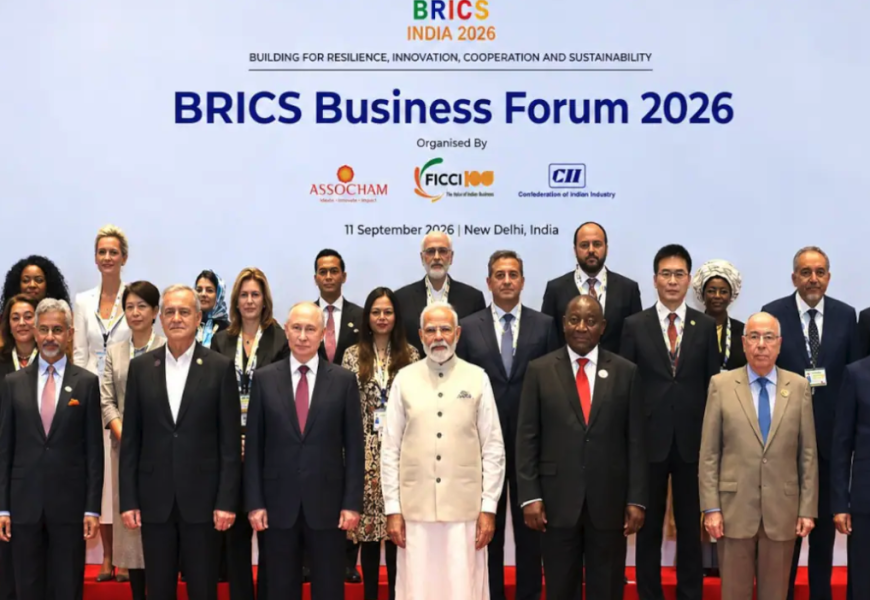
BRICS nations have unanimously adopted a joint declaration calling for restraint in the Middle East while urging greater international cooperation to protect global trade, supply chains and energy flows.
The declaration was issued during the opening of the two-day BRICS summit in New Delhi, hosted by Indian Prime Minister Narendra Modi.
China's President Xi Jinping, Russian President Vladimir Putin and Iranian President Masoud Pezeshkian are among the leaders attending the summit, which comes as conflicts in the Middle East and Ukraine continue to disrupt energy markets and international shipping.
The BRICS presidency has passed to India at a time when member countries face significant economic and geopolitical pressures, including trade disputes, tariffs and divisions over how to respond to ongoing conflicts.
The joint declaration expressed deep concern about the continuing escalation of tensions across the Middle East and called for "maximum restraint".
BRICS leaders also warned against deliberate attacks on civilian infrastructure and nuclear facilities, highlighting concerns over the wider consequences of the conflict for regional and global security.
The declaration reaffirmed the bloc's position on the Palestinian issue, including opposition to the forced displacement of Palestinians and changes to the geography or demographic composition of occupied Palestinian territory.
BRICS also called for an end to Israeli military operations in Gaza, continued international support for the United Nations Relief and Works Agency for Palestine Refugees, and full United Nations membership for Palestine.
The declaration covered a broad range of economic and strategic issues, including the development of non-Western cross-border payment systems, cooperation in artificial intelligence and opposition to unilateral sanctions and tariffs.
Xi arrived in New Delhi on Saturday for his first visit to India in seven years, as the two countries seek to improve relations following years of tensions.
He said the continuing conflict in the Middle East was causing serious losses across the region and did not serve the interests of the international community.
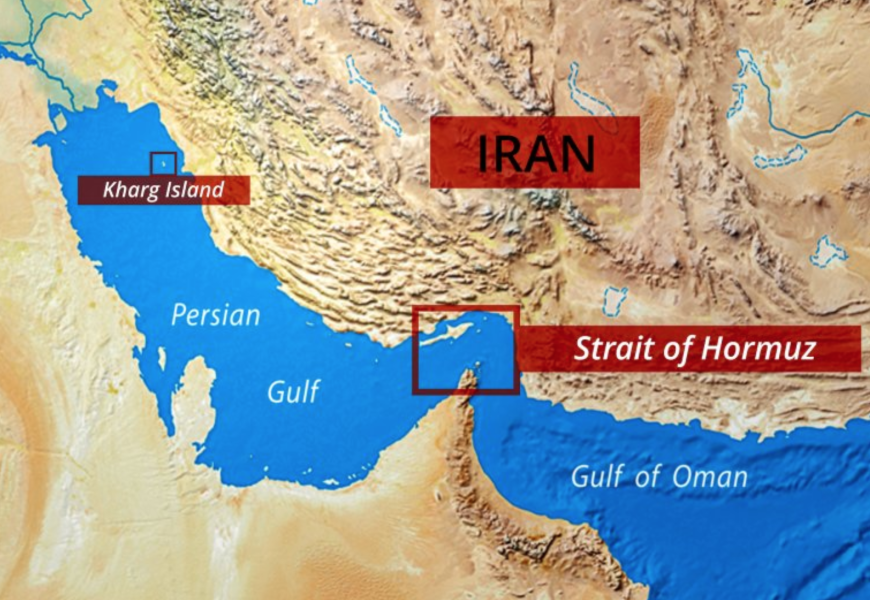
On Friday, Modi held talks with Putin, with the two leaders agreeing to strengthen bilateral ties. Modi also met Pezeshkian, with discussions including freedom of navigation and the safety of shipping crews in the Strait of Hormuz.
South African President Cyril Ramaphosa, Egyptian President Abdel Fattah el-Sisi, Ethiopian Prime Minister Abiy Ahmed and Indonesian President Prabowo Subianto are also attending the summit.
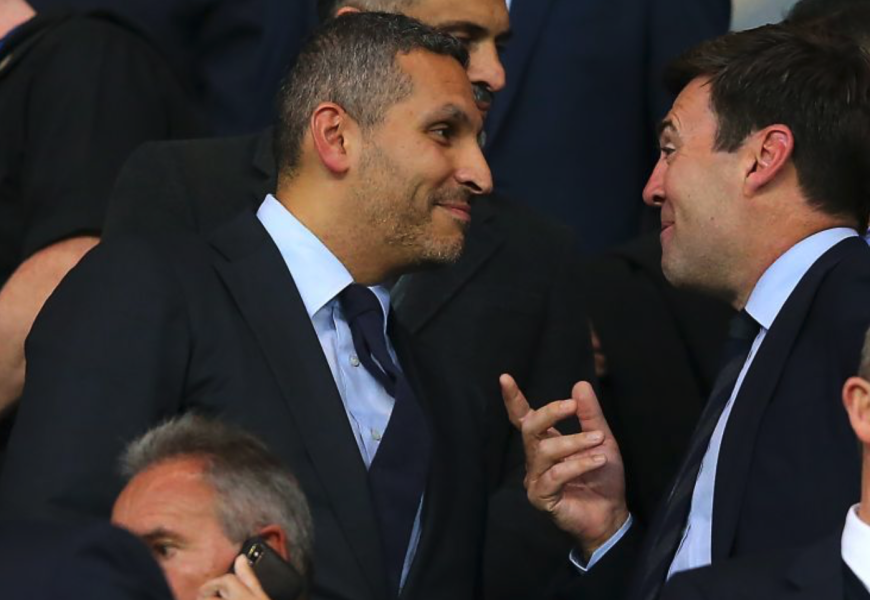
The United Arab Emirates is represented by Abu Dhabi Crown Prince Sheikh Khaled bin Mohamed bin Zayed Al Nahyan, while Brazil has sent Foreign Minister Mauro Vieira in place of President Luiz Inacio Lula da Silva.
BRICS was established in 2006 as BRIC, bringing together Brazil, Russia, India and China as major emerging economies seeking greater influence in international institutions. South Africa later joined, followed by further expansion of the group.
United Nations Secretary-General Antonio Guterres and the heads of the World Health Organization and World Trade Organization are also attending the summit.
Egyptian President el-Sisi called for the continued protection of international navigation, warning that instability in the Middle East was having broader consequences for the global economy.
He said disruptions to trade, energy supplies and supply chains demonstrated the close relationship between international security and economic development.
Key divisions within BRICS
Despite the united language of the declaration, significant divisions remain within the expanded BRICS group.
Iran and the United Arab Emirates, both members of the bloc, have opposing positions in relation to the conflict involving Iran, the United States and Israel.
At last year's summit, BRICS leaders issued a joint declaration condemning a 12-day US-Israeli bombing campaign targeting Iran's leadership and nuclear programme. However, BRICS foreign ministers were unable to agree on a joint statement about the conflict during a meeting in May.
Economic tensions are another major issue for the group.
BRICS finance ministers and central bank governors have criticised tariffs and other trade measures that they argue distort international commerce and conflict with World Trade Organization rules.
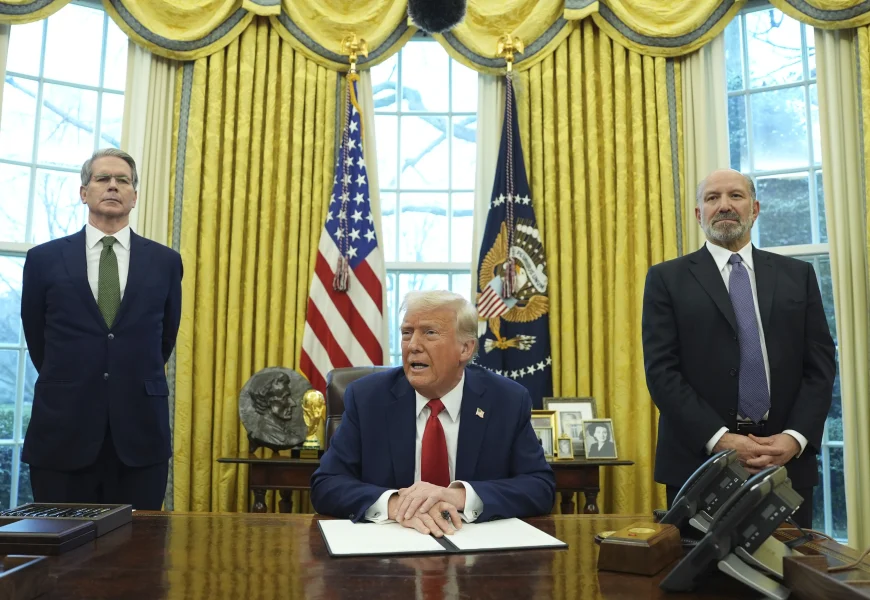
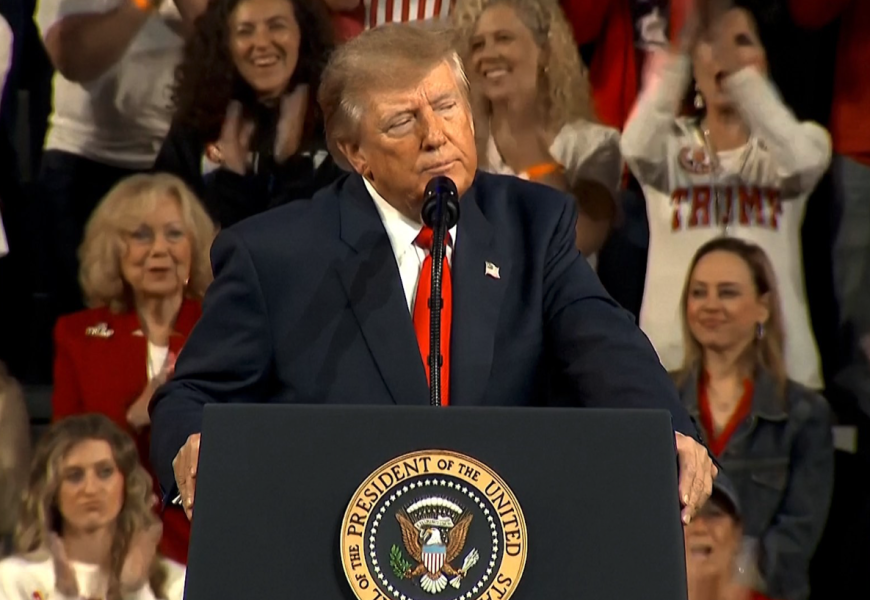
The United States has imposed tariffs on several BRICS members, with President Donald Trump previously describing the bloc as "anti-American" and warning countries against aligning themselves too closely with it.
The New Delhi summit is therefore being held against a backdrop of heightened geopolitical tensions, growing pressure on global supply chains and uncertainty over the future direction of international trade.
More Top Stories